Spark The Change: Renewable Energy For A Spectacular Tomorrow
The future looks exciting—smart tech, AI breakthroughs, and a planet that isn’t constantly in crisis mode. But while innovation is racing ahead, our energy habits remain stuck in the past. Fossil fuels are being consumed faster than the planet can recover, putting our vision of a green future on pause. As Stewart Udall said, “Plans to protect air and water, wilderness and wildlife are in fact plans to protect man.” The message is clear: if we want a healthier, greener tomorrow, we need to start making cleaner energy choices today.
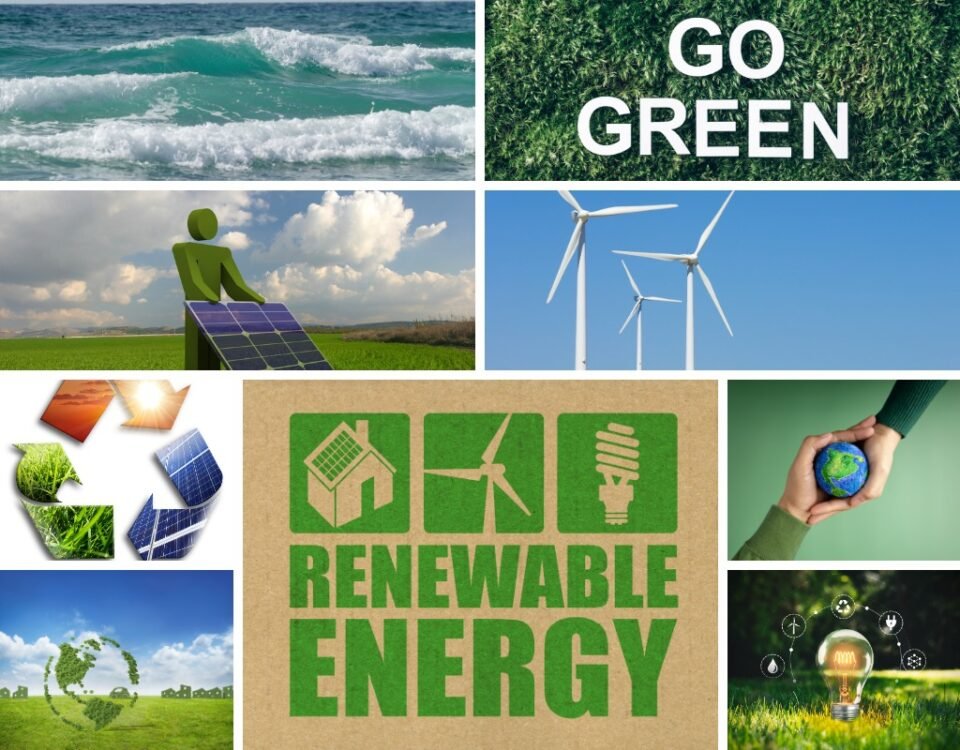
One of the easiest places to start is switching to renewable energy. Clean power for our homes, offices, schools, and public spaces doesn’t belong in the “someday” folder anymore—it’s something we can choose right now. And no, it’s not as complicated as it sounds.Ready to make the switch or just curious? We’re here to help.Let’s walk through it together.
Renewable Energy: Not a Trend, but a System Reset
We’ve moved past the stage of explaining what renewable energy is. But, put simply, renewable energy—unlike fossil fuels—works with cycles that regenerate: sunrise after sunrise, returning wind patterns, and rivers that continue to flow.
We believe that clean renewable energy is a present-day alternative competing with systems deeply tied to power, profit, and habit. And the sooner we adopt it, the more we protect both the planet and our health.
But here’s the catch—despite how doable this all seems, fossil fuels still dominate how we power our world. According to Inspire Clean Energy, transitioning to renewables isn’t just about individual choices—it requires entire companies, governments, and energy systems to rethink how energy is produced and distributed. Our current infrastructure and habits were built around fossil fuels, and changing them won’t happen overnight.
Let’s be honest: breaking up with fossil fuels is tough. But what if we told you the energy landscape is already changing in exciting ways?
Beyond Solar & Wind: What Comes Next?
Solar and wind may dominate the conversation on clean energy, but they are not the whole story. Beyond these headline-makers, a host of other renewable solutions are emerging—ready to address the ever-growing scale of global energy demand.
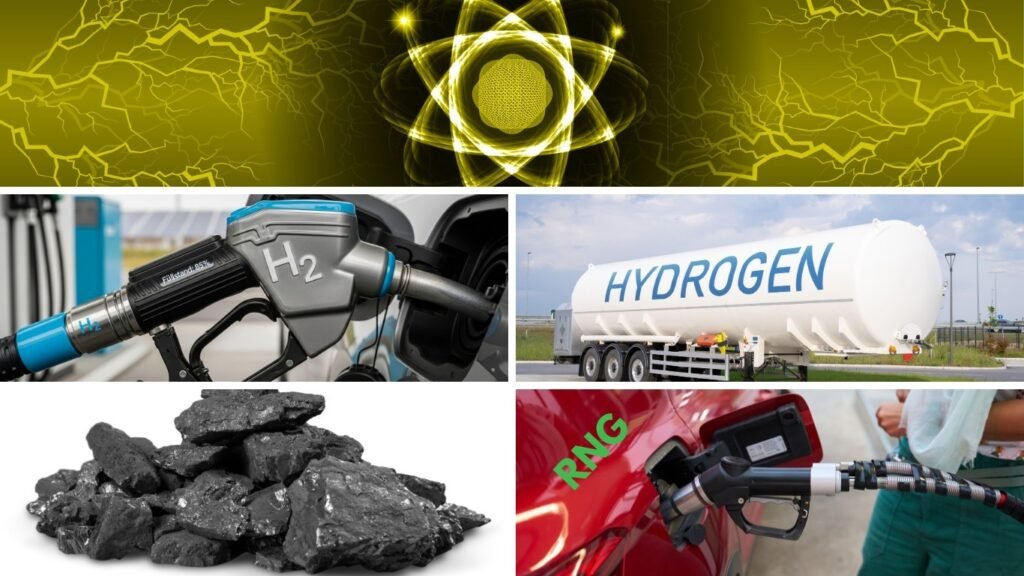
Blue Hydrogen
Blue hydrogen is the “reduce, reuse, recycle” of the energy world. It’s produced from natural gas, but with a clever catch: the carbon emissions are captured and stored rather than released. It’s not the green dream, but it’s a very smart next step. In fact, blue hydrogen isn’t waiting for the future—it’s already in action. Shell uses it today in refineries and chemical plants to power processes like hydrocracking and desulfurization.
Green Hydrogen
If blue hydrogen is the smart transition, green hydrogen is the main character. It’s produced using renewable energy sources like solar, wind, and hydropower, to split water, resulting in zero carbon emissions from start to finish—no fossil-fuel detours. This makes it especially powerful for sectors that are tough to decarbonise, including steelmaking, chemical manufacturing, long-haul transport, shipping, aviation, and renewable energy storage. Sweden’s HYBRIT project is already leading the way, replacing coal with green hydrogen in steel production.
Renewable Natural Gas (RNG)
Renewable Natural Gas (RNG) is basically waste getting a second life. When food scraps and farm waste decompose in landfills, they release methane gas—strong, sneaky, and not exactly planet-approved.We can capture and clean this methane and turn it into RNG, a fuel that already powers buses, trucks, factories, and commercial kitchens. What remains can become biochar, a carbon-rich material that strengthens soil and building materials. EverEnviro converts organic waste into Renewable Natural Gas at the source, while Targray Group drives the distribution of RNG across transport fleets and global energy markets.
Green Ammonia
Green Ammonia is a clean fuel made from renewable hydrogen and nitrogen from the air. Air separation units extract nitrogen by separating it from oxygen and other atmospheric gases through processes like cryogenic distillation. Engineers then combine this nitrogen with green hydrogen to produce ammonia without fossil fuels or carbon emissions.It’s easy to store, and can power ships, run power plants, or make fertilizers—all without adding greenhouse gases. In fact, shipping companies like Yara and Everllence have started exploring green ammonia to decarbonize maritime transport, showing how this fuel could power industries that are hard to electrify.
Low Energy Nuclear Reactions (LENR)
LENR sounds futuristic—and honestly, it kind of is. This emerging clean energy tech aims to produce large amounts of heat using tiny amounts of energy, without combustion, carbon emissions, or radioactive waste. Hylenr is taking LENR off the ground—literally—by teaming up with TakeMe2Space to test compact, clean power modules in space. It’s still early days, but LENR is definitely one of those watch-this-space climate solutions.
Renewable Energy for a Cleaner Tomorrow
Renewable energy is evolving in exciting ways. It is quietly reshaping how industries, cities, and systems get their power. Alongside emerging solutions, tried-and-tested sources like solar, wind, and hydropower continue to do the heavy lifting—through players such as Tata Power Solar, ReNew Energy, and NHPC.
These innovations help cut emissions, protect ecosystems, and move us closer to a cleaner, greener planet and healthier communities. That’s why conversations around these cleaner alternatives matter—understanding them is key to strengthening climate action.
This is where initiatives like Planet Pact’s Climate Talks come in, bringing people together to learn, exchange ideas, and collectively shape a more climate-conscious future.
If this sparked your interest, read ahead to explore the clean energy innovations quietly reshaping our future. Now over to you—does your company use any of these advanced renewable energy sources? Let us know in the comments, and we’d love to feature the story!