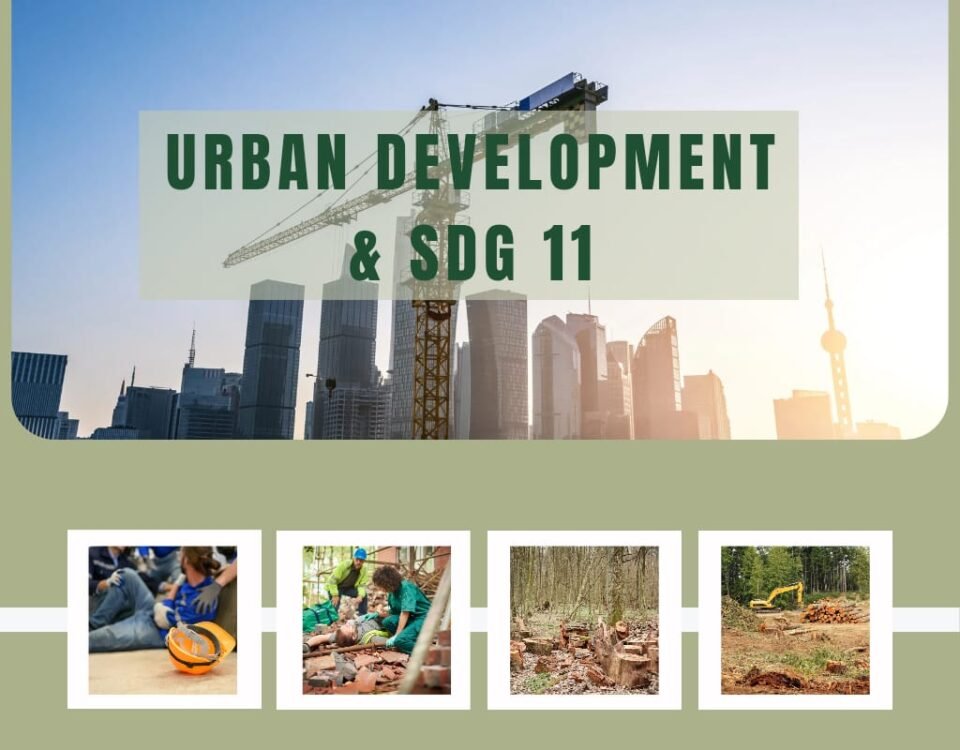
Urban Development: SDG 11 and the Hidden Challenges People Face
Step outside in any Indian city, and you’re likely to run into a metro pillar before you meet your neighbour. Roads are dug up, flyovers are rising, and barricades seem to appear overnight—all in the name of progress. But somewhere between the dust, diversions, and endless honking, a bigger question needs to be asked: what does meaningful urban development really look like? There’s nothing wrong with faster metros or new flyovers—we all appreciate smoother commutes. But perhaps growth should also ensure that cities remain safe, liveable, and friendly to both people and nature.
From construction accidents to disappearing green spaces, let’s take a closer look at how rapid urban development affects people and nature.
SDG 11: Sustainable Cities and Communities
According to the United Nations Development Programme, more than half of the world already lives in cities, and by 2050, about 6.5 billion people will call urban areas home. That’s nearly two-thirds of humanity navigating the same streets, skylines, and the daily commute. Which means city planning isn’t just about building more—it’s about building smarter, safer, and more resilient places to live.
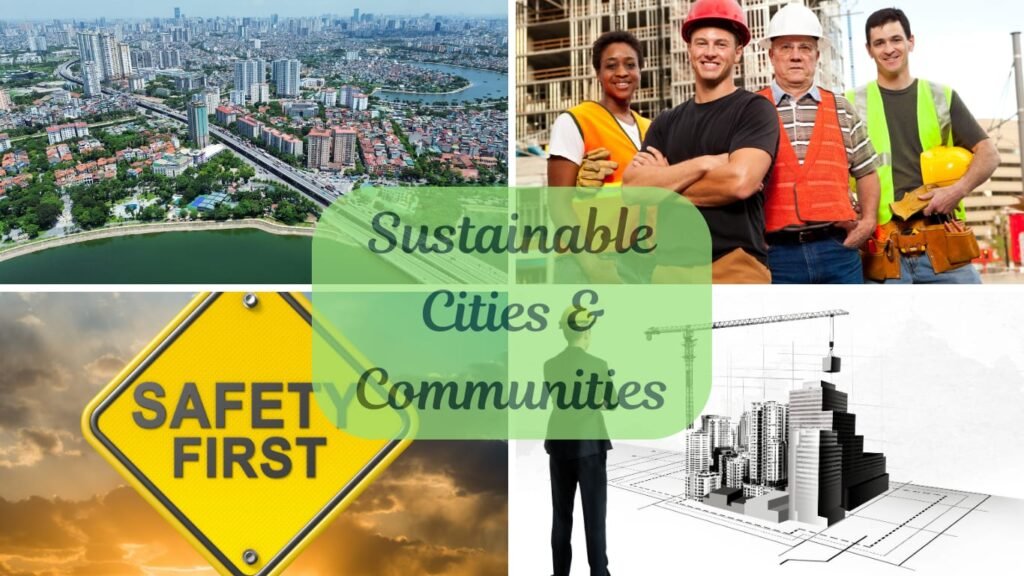
This is exactly what Sustainable Development Goal 11 focuses on—making cities inclusive, safe, resilient, and sustainable while ensuring growth supports both people and the environment.
But how well is this vision being translated into reality? Cities are expanding rapidly, but is SDG 11 truly guiding the way? A few recent incidents hint that the pace of development may sometimes be outpacing safety—for both people and the environment.
Mumbai Metro Construction Collapse (2026)
A concrete parapet came loose and fell onto LBS Road in Mumbai on February 14. An autorickshaw and a car got hit, and there were casualties. Not the kind of news you want to read. But also not the kind of thing we should ignore. Urban development should never put lives at risk. If we’re building cities for people, then keeping them safe has to be part of the plan—during construction and after.
Hyderabad Scaffolding Collapse at Construction Site (2026)
A bamboo scaffolding structure collapsed at a construction site in Tolichowki, Hyderabad, on March 05. Turns out the building had three extra floors under construction—floors that were never approved by the authorities. The scaffolding failed because safety was an afterthought. And this, right here, is why SDG 11 matters. But when rules are ignored and safety isn’t enforced, we’re not moving toward sustainable development—we’re heading straight for preventable disasters.
Mangrove Loss for Mumbai Coastal Road
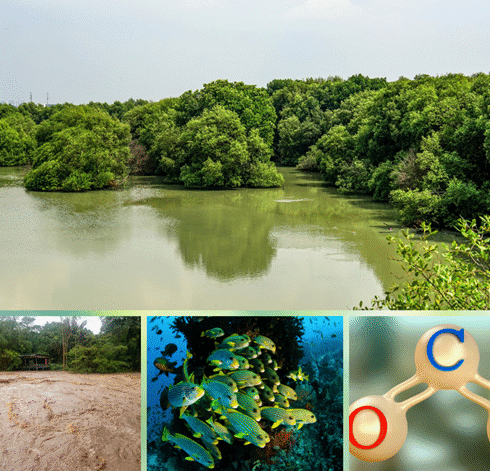
Urban development doesn’t just affect people—it also affects ecosystems. Take the mangroves in Mumbai. The proposed Versova–Bhayander Coastal Road Project could impact nearly 45,000 trees. These aren’t just plants; they’re the city’s flood defence and a home to wildlife. Cut them, and you lose both. SDG 11 exists precisely for this reason—to remind us that sustainable cities need nature, not at nature’s expense. Build, sure. But build smarter.
Highway Construction and Tree Loss (Odisha – 2025)
Sometimes development feels less like progress and more like destruction with a permit. In Nabarangpur, Odisha, over 36,000 trees were cut down for a Bharatmala highway. These were not just any trees – they were century-old witnesses to time, culture, and ecology. Cutting them down may have sped up a road project, but it has slowed down the resilience of the land and left a cultural wound that the community will feel for decades.
Rapid Growth, Real Consequences
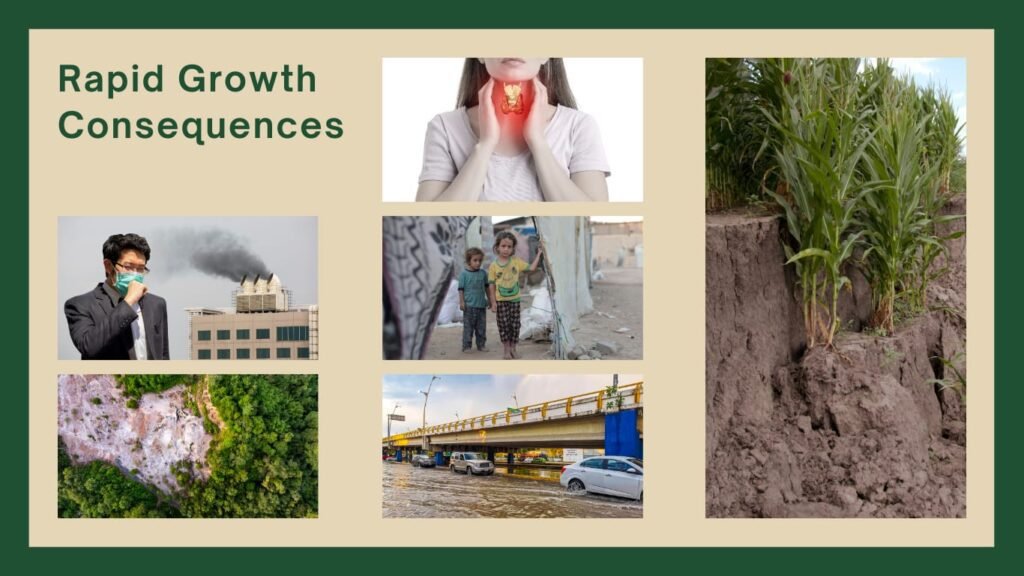
Rapid urban growth may look like progress, but cutting corners hurts both people and the planet. True progress isn’t just about buildings and roads; it’s about creating spaces where people and the environment can thrive together.
Here’s what happens when progress comes at the expense of safety and sustainability.
- Displacement of communities: People are forced to move without adequate compensation or support.
- Pollution surge: Construction and traffic increase air, water, and noise pollution, harming both humans and wildlife.
- Flooding and poor drainage: Natural water systems are blocked or altered, which increases the risk of floods.
- Loss of green spaces: Trees, parks, and wildlife habitats are removed, reducing air quality and biodiversity.
- Health problems: People suffer from polluted air, unsafe water, and other health issues.
- Biodiversity decline: Urbanization destroys habitats, causing local plants and animals to disappear.
- Microclimate changes: Removing trees and water bodies raises city temperatures and reduces natural cooling.
- Soil degradation: Construction and deforestation erode soil, reduce fertility, and increase the risk of landslides.
Next Steps: Green, Safe, and Sustainable Cities
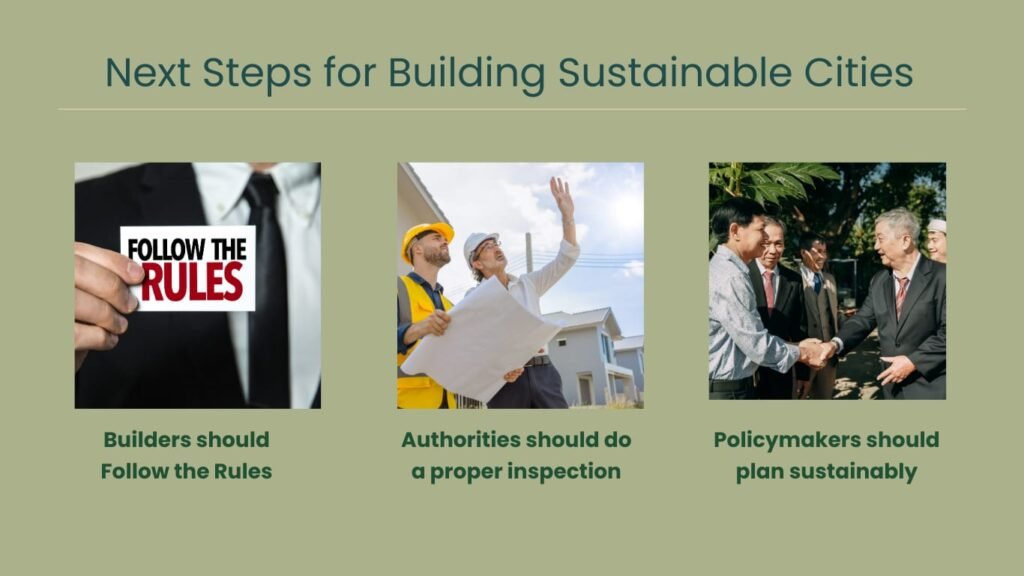
SDG 11 exists because someone had to state the obvious: cities should be safe, affordable, and kind to the planet. But goals don’t achieve themselves. That part’s on us. On builders who should follow rules instead of bending them. On authorities who should inspect sites like they actually mean it. On planners who should see mangroves and think “protect,” not “remove.” And on all of us who should refuse to look away when things go wrong. Sustainable urban development isn’t rocket science. It’s just doing the basics properly, every single time.
So here’s the thing—next time you see a construction site without safety barriers, or hear about trees being cleared for yet another project, don’t scroll past. Ask questions. Raise your voice. Because if we don’t, who will?
References:
- https://www.undp.org/sustainable-development-goals/sustainable-cities-and-communities
- https://www.instagram.com/reels/DUvSX2nDFYt/
- https://www.deccanchronicle.com/southern-states/telangana/2-die-3-injured-in-scaffolding-collapse-1941792
- https://timesofindia.indiatimes.com/city/bhubaneswar/over-36k-trees-felled-for-6-lane-road-project-in-nabarangpur-dist/articleshow/125403943.cms
5. https://www.instagram.com/p/DVlS8U_krHS