

Finding the Lost Stakeholder: Powerful Reminders from Cinema & Literature
Did Cinema and Literature Understand it better? What Indigenous Knowledge System reveals about nature that our Climate Science & its self proclaimed elite gatekeepers struggle to integrate?
–Nitisha Agrawal.
This summer, after an intense albeit short-lived experience as an insider on a global, climate-focused project, one I chose to exit a little earlier than planned, mostly to save my soul, I found myself carrying more anxiety than clarity. I kept circling around the same questions: what are we fundamentally missing? Why does so much of this work feel increasingly displaced from something essential?
And then as the Universe conspired to hold me, almost gently, something began to shift.
In the middle of that unease, I watched Princess Mononoke during a beautifully unravelling experience with Travellers’ University. Around the same time, I was reading Robert Macfarlane’s Is a River Alive? and Amitav Ghosh’s Ghost-Eye. And then, unexpectedly, I watched Hoppers with my curious 13-year-old nephew.
Different mediums, different audiences, different entry points, but there was a thread running quietly through all of them. A shared pulse. Something about how we see nature, or perhaps how we’ve forgotten to.
The idea that stayed with me was simple, but it didn’t feel small: ‘Rights of Nature’ and nature as a ‘key stakeholder’; not a passive, victimised bystander in climate discourses and platforms dominated by humans, often rather linearly.
Industrialisation vs Ecology: A delicate balance
Films like Hoppers, which all children should watch, build on critical narratives set forth by Studio Ghibli’s masterpiece – Princess Mononoke released way back in 1997, almost 30 years ago! Films’ key character Ashitaka’s piercing dialogue – ‘What I want is for the humans and the forest to live in peace’ found an almost permanent place amongst a set of questions in my heart.
The film doesn’t offer easy answers. What it does instead is something more unsettling: it presents forests as alive—with gods, voices, rage; with memory. The battle between industrialisation and ecological balance is not abstract; it’s embodied, emotional, almost sacred. Watching it now, nearly three decades after its release, feels less like fantasy and more like a cinematic articulation of what many climate scientists and Indigenous communities have been raising all along.
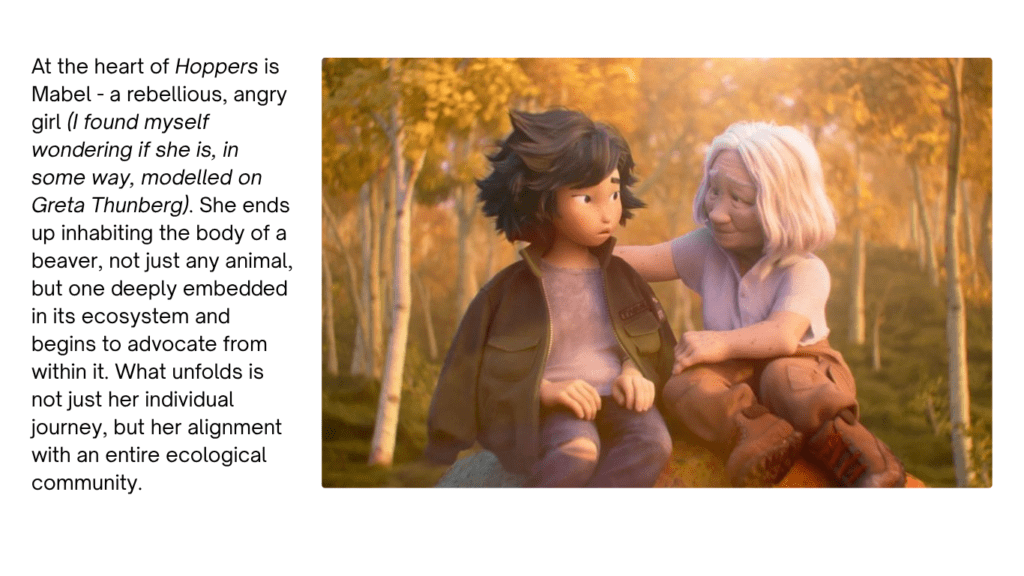
Even the ‘Avatar’ series pushes us (at least some of us) towards the idea of planetary consciousness of ecosystems that feel, respond, and resist. Corporate extraction versus ecological sentience beyond what appears to be on the surface. But Hoppers feels like a rather bold narrative in comparison.
When Cinema Gets Reality Right
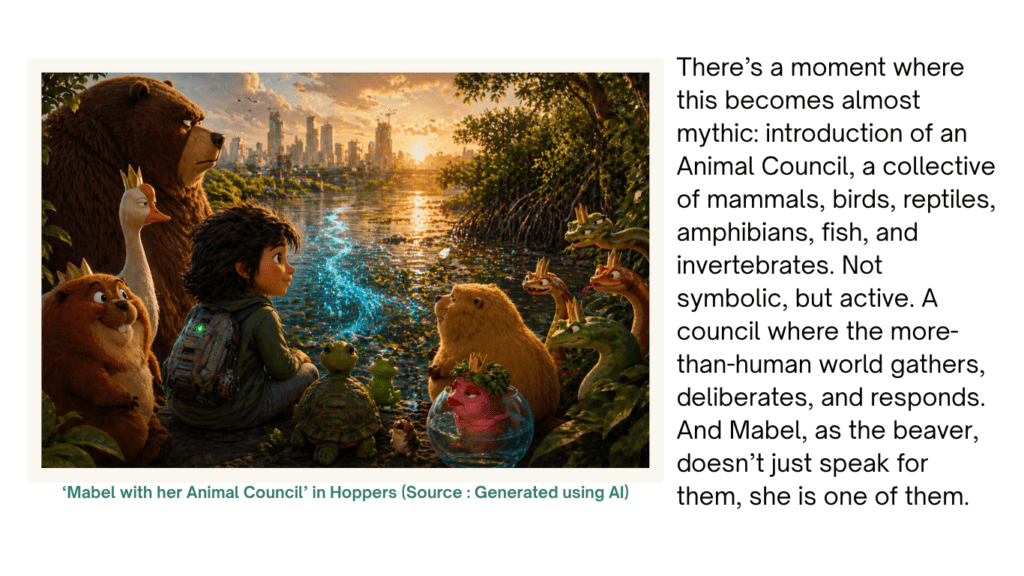
On the surface, Hoppers is humour and sci-fi. But underneath, it maps almost perfectly onto a real-world problem within the ‘Rights of Nature’ movement: nature cannot speak in human institutions, so someone must represent its interests.
Mabel takes on a ruthless and spineless administration driving one-sided development of a ‘connecting bridge for city’s betterment’, a narrative that feels uncomfortably familiar when I think about the recent desecration of mangrove ecosystems in the name of development in Mumbai.
What Hoppers does through the beaver, the Animal Council, and its layered storytelling, is make one idea very accessible: the problem isn’t just that nature lacks a voice. It’s that humans struggle to listen without translating everything into their own terms, data, metrics, reports, conferences, Excel sheets, WhatsApp groups.
Perhaps we should humour ourselves and propose a viewing of Hoppers for policymakers, climate elitists, and for those who decide what’s right but often feels so wrong
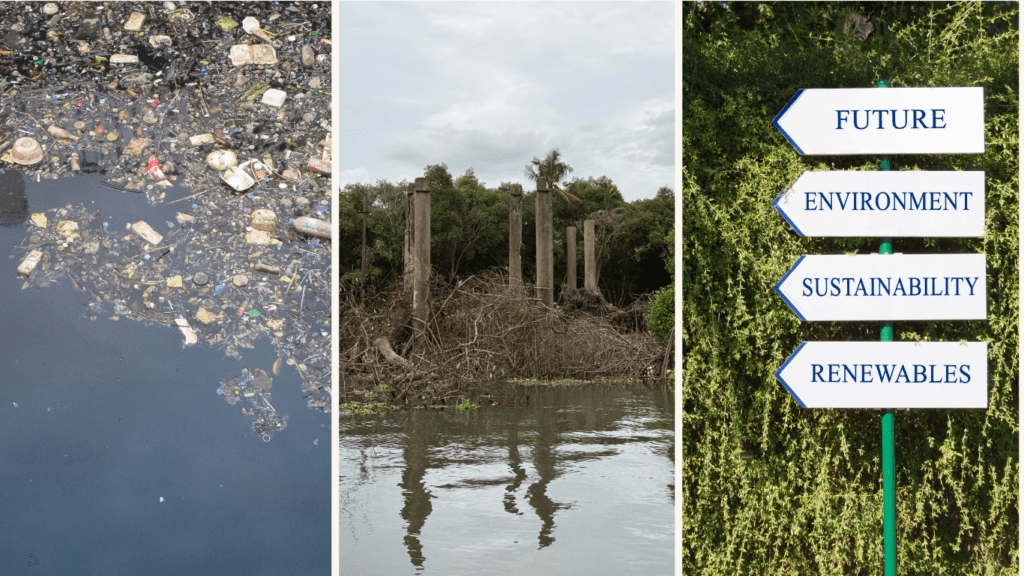
Because when I think about Mumbai’s Mithi River, or the fragile mangrove ecosystems steadily being erased, it feels like a real-world version of everything we’ve been reflecting upon, culture, ecology, law, economy; communities, all colliding. A battle not very different from the one Mabel takes on with her ‘beaver’ instincts and alongside the Animal Council. Mabel wins, because she partners with nature and she ends up demonstrating this partnership to those ‘who seemed to know everything’ because while nature can destroy, it also saves and nurtures.
History’s Bond With Nature
If we peep into our own history, some of our communities have always stood in defence of nature. The Chipko movement in Uttarakhand in the 1970s comes to mind almost immediately. It emerged from direct dependence on forests fuel, water, soil stability but it was also deeply relational.
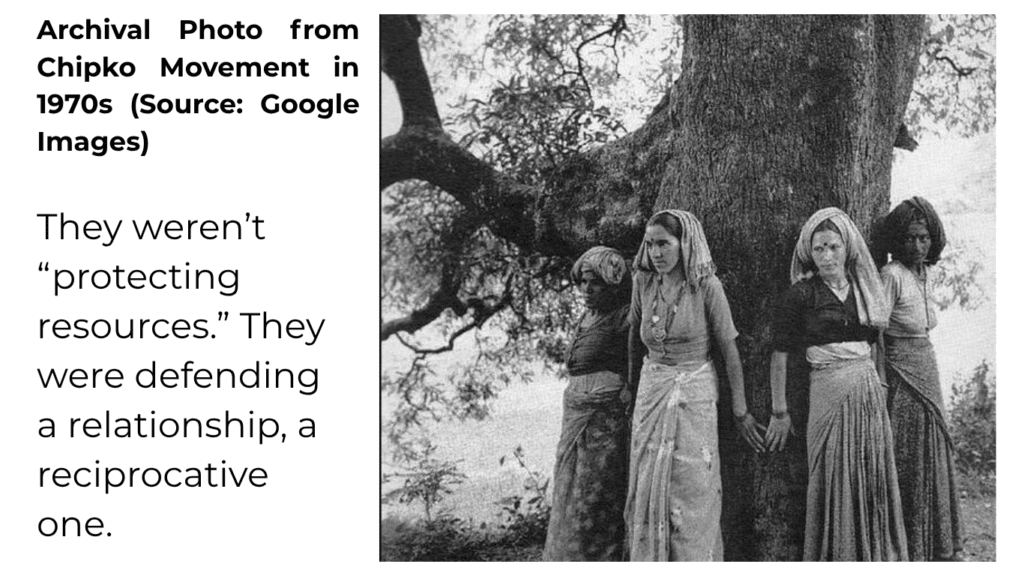
They didn’t need deforestation data, emissions charts, or elite, city-centred climate weeks to make their point. They simply stood there peacefully, powerfully making it anyway.
This gave me a perspective that the idea of nature as a stakeholder is not new. It is a modern translation of older relational worldviews, now being re-expressed through law, literature, and experimental governance.
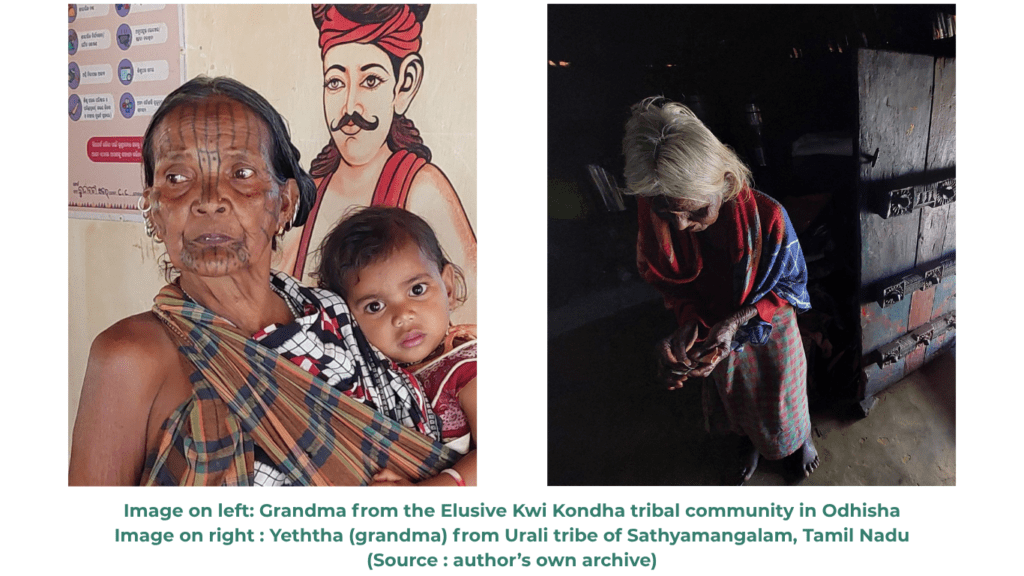
Across Indigenous knowledge systems, Adivasi communities in India, Māori communities in Aotearoa, Lakota tribes in North America, and many other Aboriginal and Amazonian cultures, there is a shared understanding that nature is alive, relational, responsive. Humans are participants, not managers. Use is allowed, but within reciprocity and limits.
In both Hoppers and Princess Mononoke, there’s often the quiet presence of an elder, a grandparent, a wise figure who holds memory, compassion, and a deeper understanding of the land. That detail stayed with me. Because it mirrors something real. I have seen this validated through my own experience while working with Indigenous communities of India through my grassroots work at Smokeless Cookstove Foundation. Our Elders know. They have always known. But we have forgotten to ask them and seek their wisdom.
Literature: Remembering Nature’s Rights & Power
Amitav Ghosh’s The Hungry Tide and Ghost-Eye bring this alive in a different way. The Sundarbans, one of the largest contiguous mangrove forests on Earth, are not just described as a place. They emerge as a living, shifting entity, volatile, powerful, not entirely knowable.
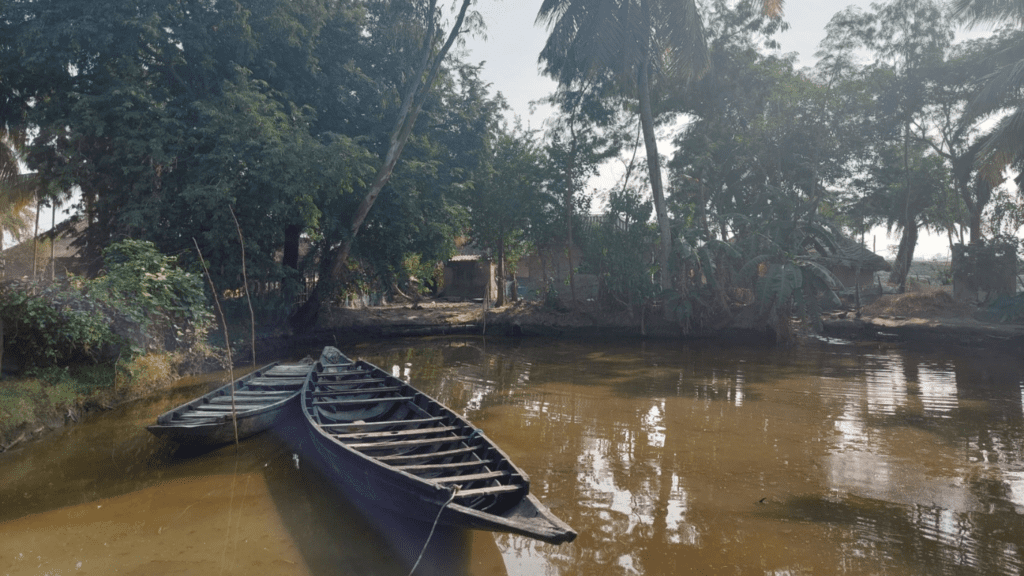
Humans, in these landscapes, are not in control. They are constantly negotiating, adjusting, sometimes surrendering.
And maybe that’s the discomfort. That nature exists beyond and prior to us. That we are not at the centre.
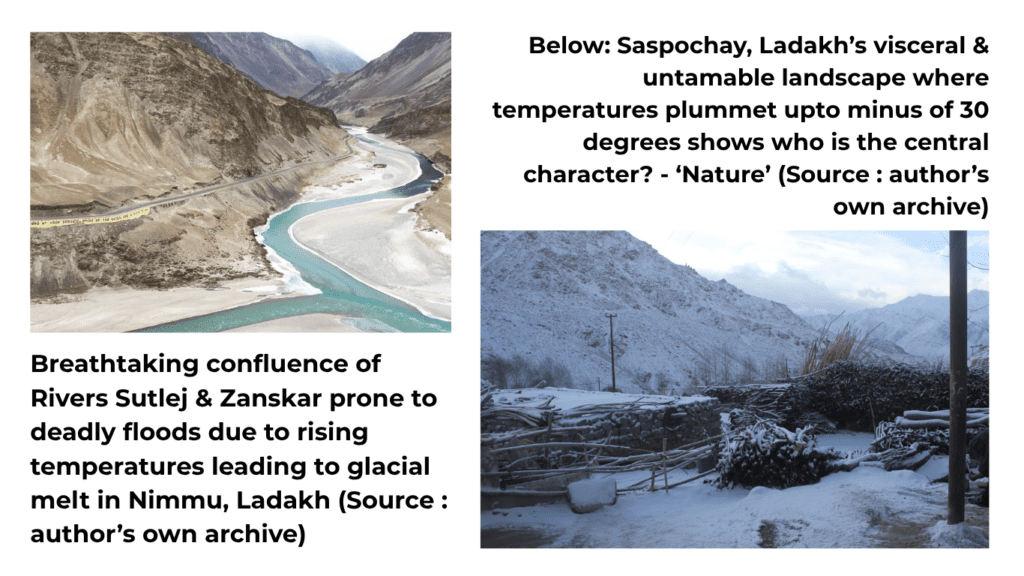
Spending time with these films and books didn’t give me answers because I am not really looking for them, but it softened the rage and anxiety within me. It reminded me that there are other ways of seeing, other ways of relating, that exist beyond dominant narratives driven by climate powerhouses.
In the present moment, I find myself in place of extreme gratitude as I pursue a Fellowship through Bioleadership Fellowship that nudges me to not fall prey to these narratives but learn to live with and work with nature as a companion. Nature, not being an outside entity that is dependent on the human race to protect it, because we have been taught the story of separation: from nature, from each other, perhaps even parts of ourselves.
What I’m beginning to understand instead feels quieter, but also more grounded and slower.
“I am reminded through my Bioleadership Fellowship journey “that Nature works through optimisation, not maximisation. Through beautiful networks and relationships, not centralised hierarchies.”
Time to Listen & work with Nature
And when more of us begin to realise this not just intellectually, but experientially, perhaps our anxiety might carve a way into hope. Into a more purpose-driven, but also more compassionate relationship with nature. One that is not driven by a “saviour complex”.
Till then, cinema, literature, and art can continue to fuel our imagination—and perhaps gently remind us of what we have always known.
About the Author

Nitisha is the Founder & Director of Smokeless Cookstove Foundation that works with communities across India to create awareness about clean energy and various health & livelihood linkages. She spent 17 years in the corporate sector working for Indian and Multinational companies in leadership roles before transitioning to the impact sector. Currently pursuing Bioleadership Fellowship, UK, she consults with clean tech start-ups and wellness focussed projects. She is an erstwhile Godrej Design Lab fellow and is an alum of The Earth Charter, Columbia University, Gaia Education and Capra Course with several distinguished certifications to her credit. She also serves as a mentor with Clean Cooking Alliance for Women in Clean Cooking in Asia & Africa and is a member of Catalyst Now.





1 Comment
Gopal MS
2 months agoObserve, listen and then use the power of storytelling to tell our stories!