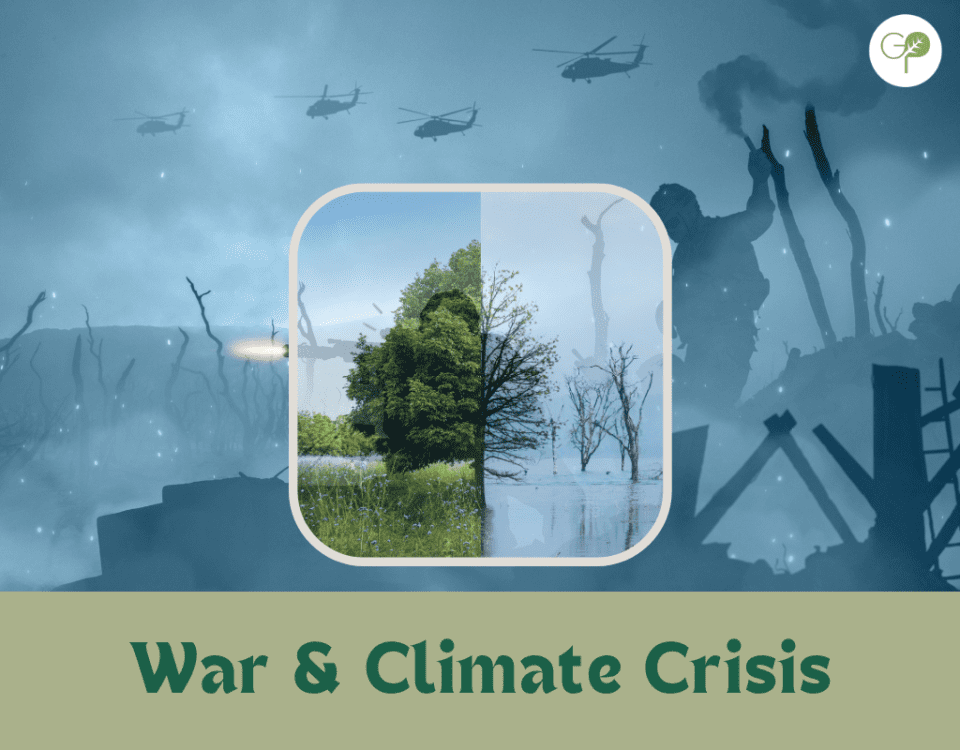
Insider Look: How Does War Impact Climate Change on Earth?
The environment has long been a silent casualty of war and armed conflict.” — Ban Ki-moon, eighth secretary-general of the United Nations (2007-2016).
Even if war ends on the battlefield, its impact spreads far beyond the frontlines. And as Ban Ki-moon reminds us, it’s not just people who carry the weight—the environment does too. For a world already wrestling with climate change, this is one more burden it didn’t ask for.
So what did three recent wars actually cost the planet? Let’s find out.
Caught in the Crossfire: Everything Else
War feels like something that happens “out there”—on maps, in headlines, between nations. But its impact doesn’t stop there.
From Headlines to Households
You’re not in the war. And yet, it somehow shows up in your life—your LPG bill, your grocery list, and your mental tabs that just won’t close. As supply struggles to keep up with demand, prices rise, routines shift, and things just feel heavier than usual.
And while that’s happening, comes everything else. The environmental spillover—the smoke, the toxins, the damage that doesn’t just stay contained—starts to affect the air, the surroundings, and eventually, you. And then there’s the mental weight of it all, constantly being aware, constantly processing. From staying informed, from trying to make sense of it, and it becomes more than just “news.” It becomes something you live with, even from afar.
The Planet Pays Too
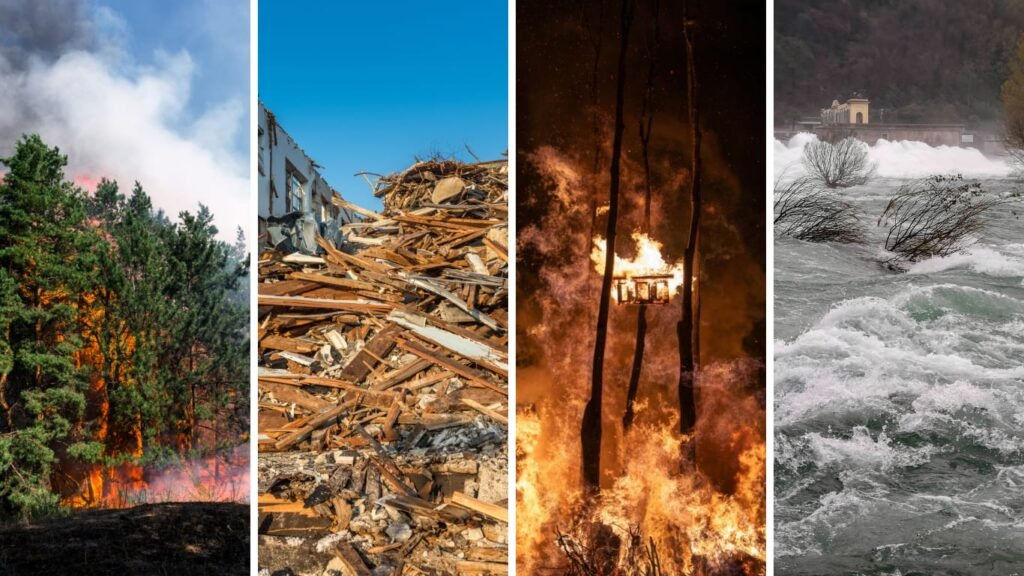
War pushes the climate crisis further. Climate action takes a backseat. The 1.5°C goal by 2030 feels even more out of reach. Budgets shift to defence, renewable projects slow down, international cooperation weakens, forests are cleared or burned – releasing stored carbon, fuel depots, pipelines, and industrial sites hit during conflict leak oil and chemicals into soil and water, causing pollution.
Nature is forced to absorb more than it can handle—wildlife loses homes, habitats shrink, and recovery slows down. Militaries alone account for an estimated 5.5% of global greenhouse gas emissions. While we focus on rebuilding cities, ecosystems take decades to recover—forests can take 40–60 years to regrow, if they recover at all. In some cases, entire coastlines and water systems are contaminated overnight, killing marine life and disrupting ecosystems far beyond.
War’s Climate Cost: Three Examples
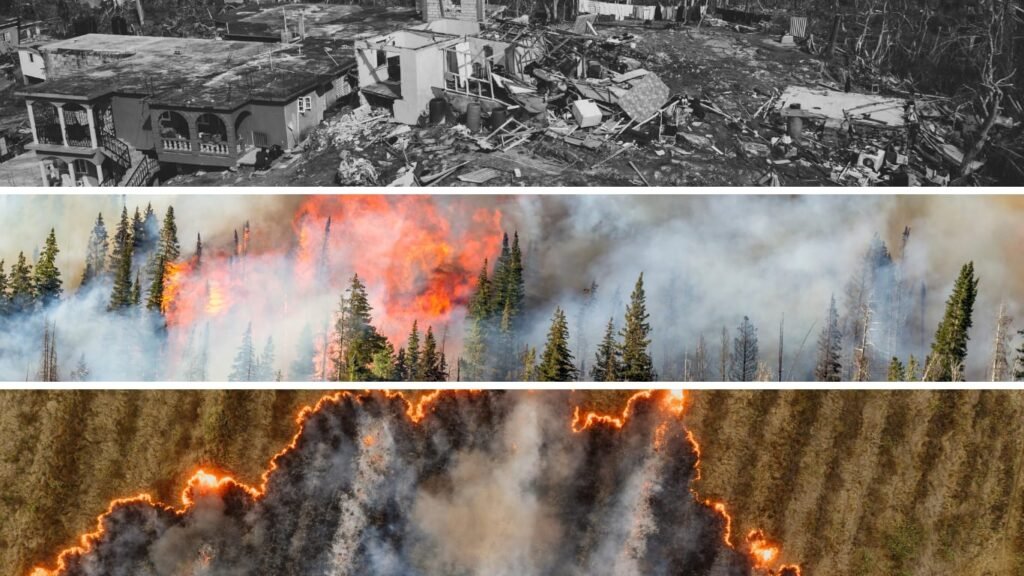
1. Russia–Ukraine War (2022–present)
The war has produced approximately 237 million tonnes of CO₂-equivalent emissions between 2022 and 2025. Methane leaks from the Nord Stream pipeline explosions added another 14 million tonnes of CO₂-equivalent. Additionally, detours caused by the closure of Russian and Ukrainian airspace added approximately 8.2 million tonnes to global aviation emissions in 2023.
2. Syrian Civil War (2011–present)
Between 2011 and 2019, Syria lost approximately 20% of its forests. Wildlife populations collapsed due to widespread habitat loss. Rivers became contaminated with oil and sewage as water treatment plants and pipelines were damaged. Estimates suggest that reconstruction in Syria will lead to approximately 22 million tonnes of emissions.
3. 2026 Iran War (Ongoing)
The 2026 conflict’s first 14 days emitted 5 million tonnes of CO₂, worsened by massive flight diversions around closed airspace. Strikes on Tehran’s oil depots blanketed the city in soot and black rain, while soil contamination from heavy metals and marine oil spills caused long-term ecological damage. The destruction of residential and commercial buildings released pollutants into the air.
Same Planet. Different Wars. Our Loss.
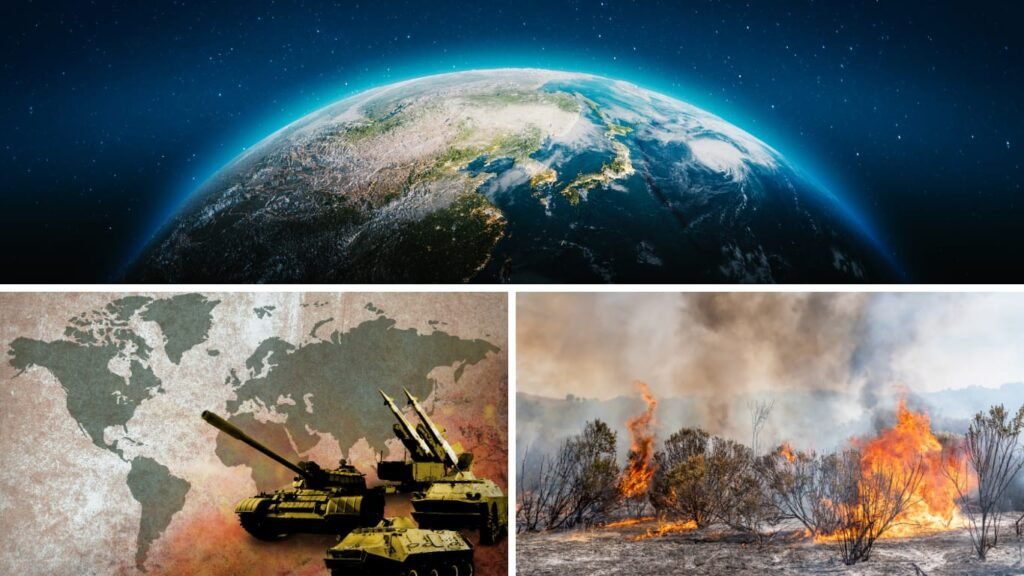
Wars will only deepen the wound of the climate crisis. In the year 2023, more than 170 armed conflicts were recorded, disturbing life and resources on Earth.
Maybe it’s time we started to invest in diplomacy, enforce environmental laws and green defence policies during conflict, and hold violators accountable. Because the planet doesn’t choose sides—it just burns.
Share this with one friend who thinks war has nothing to do with climate. Comment how war has affected your daily life.
References:
- https://www.planetarysecurityinitiative.org/news/climate-damage-caused-russias-war-ukraine-1
- https://ccpi.org/guest-article-ccpi-x-military-emissions-gap-how-military-emissions-impact-global-warming/
- https://www.un.org/en/peace-and-security/how-conflict-impacts-our-environment
- https://www.euronews.com/2025/11/19/the-cost-of-conflict-carbon-russia-faces-37-billion-climate-reparations-bill-for-war-in-uk
- https://www.researchgate.net/publication/396644641_CLIMATE_DAMAGE_CAUSED_BY_RUSSIA’S_WAR_IN_UKRAINE_24_February_2022_-_23_February_2025
- https://ens.dk/en/press/possible-climate-effect-gas-leaks-nord-stream-1-and-nord-stream-2-pipelines
- https://www.washingtonpost.com/climate-environment/2025/02/12/ukraine-war-russia-flights-carbon-emissions/ https://www.washingtonpost.com/climate-environment/2025/02/12/ukraine-war-russia-flights-carbon-emissions/
- https://www.creaf.cat/en/articles/war-syria-has-wiped-out-19-countrys-forests-equivalent-entire-metropolitan-area-barcelona
- https://ceobs.org/how-does-war-contribute-to-climate-change/
- https://www.theguardian.com/world/2026/mar/21/middle-east-iran-conflict-environment-climate