

Pedal Power: A simple Hack to Bring Down Urban Pollution
People often say they miss their childhood—racing down streets on bicycles, playing outside till sunset, and enjoying a simpler way of life. But they miss it because somewhere along the way, they grow up and decide simplicity is overrated. In the race to make life faster and more convenient, they end up creating more problems than solutions. One clear example is the rise of vehicular pollution in our cities. But could the solution be simpler than we think? Let’s find out.
Road transport contributes nearly 12% of India’s CO₂ emissions, playing a significant role in worsening urban air pollution. But what if the solution to curbing these emissions isn’t complicated at all? What if it’s something straight from our childhood, like riding a bicycle?
Beyond helping reduce emissions, cycling offers many other benefits — something we’ve explored in our article, The Magic of a Monthly Bike Ride. And here, we focus on something more practical: how this simple hack can fit into your daily life without any extra hassle. And it turns out, it’s easier to adopt than most people think. So, let’s dive right in.
Pedal Through Your Daily To-Do List
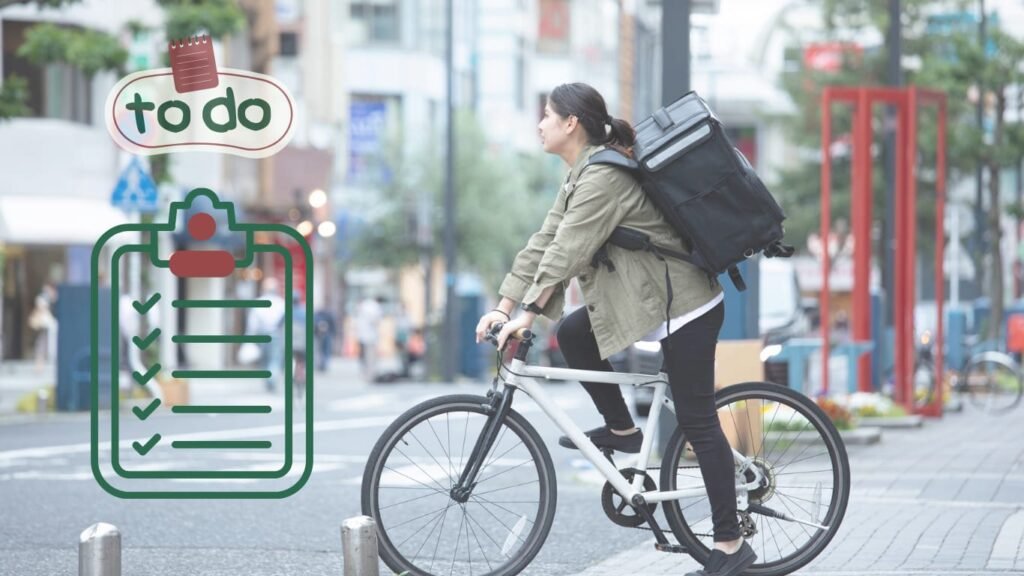
With apps like Blinkit and Zepto offering 10-minute deliveries, skipping grocery runs has never been easier—but that convenience can come with an environmental cost. Each delivery puts another vehicle on the road.
We’re not suggesting you ditch them entirely—they’re useful on busy days. But relying on them for every small purchase means more delivery trips, more vehicles on the road, and more emissions.
Studies show many urban trips are short. In Indian cities, 56–72% of trips are under 5 km. Replacing half these motorised trips with bicycles could cut about 1 million tonnes of CO₂ annually and save over 0.35 million tonnes of fuel each year.
Choosing to cycle for nearby errands—like grocery runs, pharmacy visits, quick local shopping, or meeting friends close by—is a simple shift that can reduce emissions, ease congestion, and help make city air a little cleaner.
Join the Ride: How Cycling Communities Make a Difference
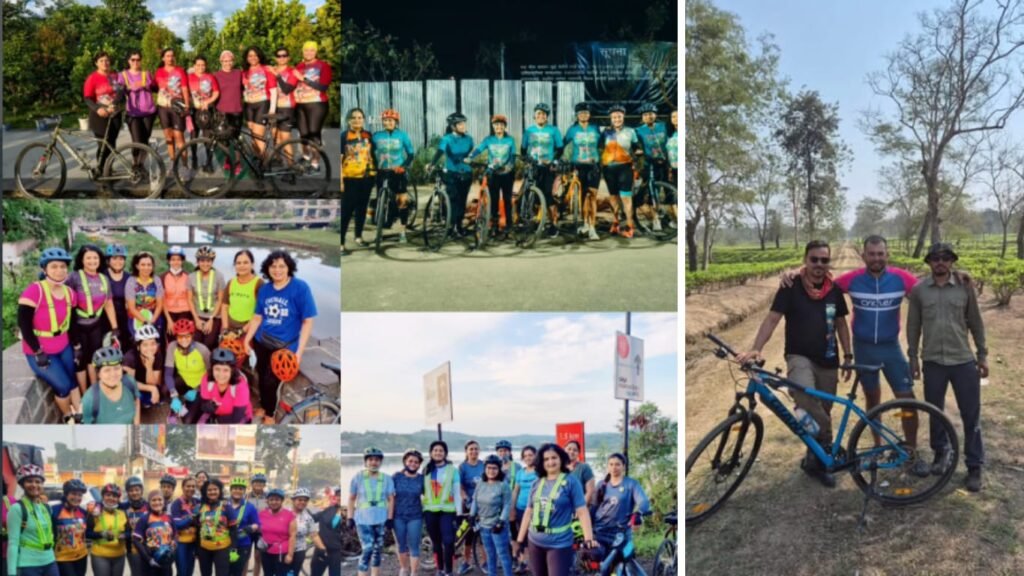
Cycling together builds a sense of support and motivation, helping riders stay consistent and inspired. To explore this further, we spoke with Amit Gadgil, co-founder of Speaking Wheels (SW), one of India’s vibrant cycling communities. And, this is how the conversation went.
Green Pistachio: What first got you into cycling, and what made you stick with it?
Amit: A couple of long rides—Panshet Parikrama by RAW Adventures and the Rann of Kutch ride by Curious Wheels—that Rahul, co-founder of Speaking Wheels, and I participated in were eye-openers. Easy-paced cycling let us truly appreciate nature, local food, and conversations with fellow riders—an experience that eventually led to the idea of Speaking Wheels.
Green Pistachio: How has cycling changed your health, mindset, or daily routine?
Amit: Most of our members in SW have started following a healthier lifestyle, participating in various cycling-related events, have improved their fitness, and have started challenging themselves to better their past performances in various endurance events/sports.
Green Pistachio: How do cycling communities help make cities more sustainable and people-first?
Amit: Cycling communities offer many intangible benefits. Members—from doctors and architects to consultants and lawyers—build strong networks and support each other professionally. The group’s encouragement helps weaker riders grow stronger, while safe riding builds civic sense. And of course, weekend rides improve fitness—burning fat, not fuel.
Green Pistachio: How can workplaces, schools, or local governments better support green mobility and cycling culture?
Amit: Schools should lead by encouraging cycling, especially for students living within 5 km, reducing traffic and carbon footprints while promoting fitness and road awareness. Electric cycles can help too. Workplaces can adopt similar initiatives, and authorities can support them through subsidies for bicycles and e-bikes.
Rent a Ride: Cycling Startups Making It Easier
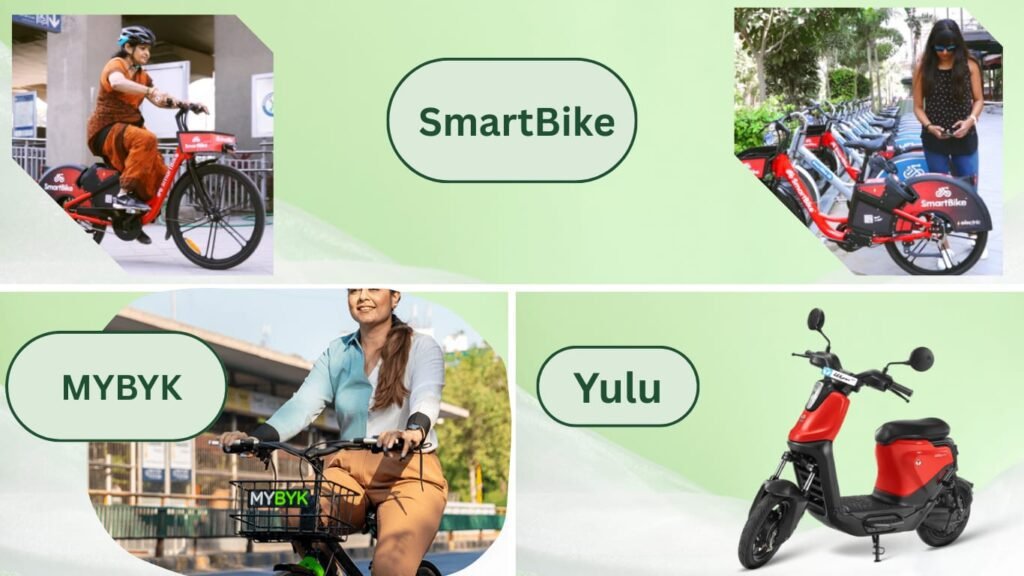
You don’t always need to buy a bicycle to start cycling. Several Indian startups now offer easy app-based cycle rentals, making short rides and last-mile commutes simple and accessible. Not sure where to start? Here are a few platforms you can explore:
- Yulu: offers app-based electric bikes designed for short city rides and last-mile travel. Users unlock a bike through the app after a small refundable deposit and pay affordable per-minute charges. Operating in cities like Bengaluru, Mumbai, Delhi, Pune, and Bhubaneswar, Yulu makes quick, low-carbon urban commuting simple and accessible.
- SmartBike: runs public cycle-sharing systems across several cities. Riders can unlock bikes from docking stations for short trips—an easy way to replace fuel-powered rides with a cleaner, low-carbon alternative.
- MYBYK: lets you rent cycles through its app from docking stations across cities—perfect for quick errands, short commutes, or an easy last-mile ride.
Cycling in India: A Rider’s POV

With cycling apps, rentals, and communities growing, more people are slowly getting back on bicycles. To see what that looks like in practice, we spoke with Sachin Parikh, a cycling enthusiast, about his experience riding through the city.
For Sachin, it all started with a casual weekend ride that slowly became a habit. Introduced by a friend, the experience was tougher than expected but quickly addictive. Cycling through the city felt different—quieter streets, the smell of local food stalls, and a sense of being part of the surroundings rather than rushing past them amused him.
He found cycling surprisingly practical for short urban trips, often quicker than cars, especially with traffic snarls and parking hunts factored in. Early morning cycle rides are his favourite, offering calmer roads. Beyond convenience, cycling deepened his connection to the environment. While one rider’s impact seems small, Sachin believes such everyday choices can collectively drive meaningful change.
The Challenges: What Slows Riders Down

Cycling through a city isn’t just about enjoying the breeze. From safety issues to poor infrastructure, everyday cycling can be more challenging than it should be. Here’s what Sachin and Amit shared from their own experiences on the road.
Navigating heavy traffic, low public awareness, and a lack of respect for cyclists can make everyday rides stressful. On top of that, stray dogs and cattle on the roads often create unexpected obstacles, adding to safety concerns. Some riders also skip basics like wearing helmets and using hand signals, which further increases risk. Dedicated cycle lanes, where they exist, are often encroached upon by pedestrians or vendors, making them less effective. Beyond the roads, limited support for short commutes, a lack of school-level encouragement, and the absence of facilities like showers or changing spaces at workplaces make it harder to adopt cycling as a daily habit.
Cities Move Better on Two Wheels
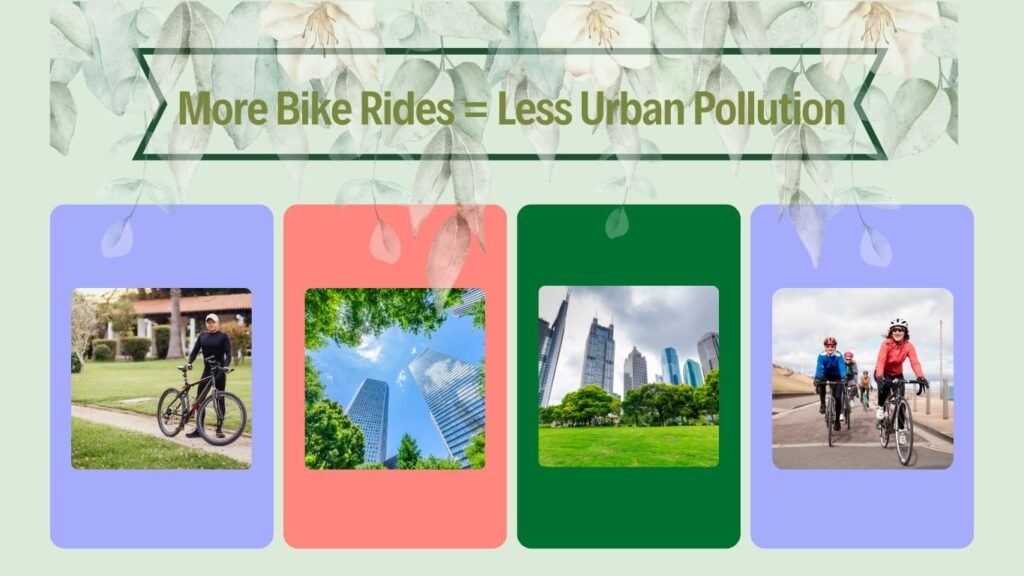
Urban pollution often feels like a problem that needs massive solutions. But change can start with simple choices. Swapping a few short petrol-powered trips for a bicycle cuts emissions, eases traffic, and adds movement to our routines. Imagine thousands of people doing the same—the impact grows quickly.
So the next time you’re heading somewhere nearby, consider leaving the engine behind and hopping on a bike instead. Small rides can lead to big change. And when small choices add up, cities begin to breathe a little easier.
If you’ve rented a cycle through any of these apps or ridden with a cycling group, we’d love to hear about your experience. And if this made you think differently about your daily commute, share it with your friends and family—because cleaner cities start with the choices we make every day.
Sometimes, saving the planet really is as simple as riding a bike.
References:
- https://www.nature.com/articles/s41597-025-06287-9
- https://uncrd.un.org/sites/uncrd.un.org/files/7th-est_p6-bgp.pdf
- https://www.giz.de/sites/default/files/media/els-document/2025-07/giz2023-teri-study-benefits-cycling-india.pdf