
Rural Development: 5 Fundamental Pillars For Promising Growth And Hope
If you zoom in and look at India closely, you’ll find over 6.65 lakh villages at its heart, quietly holding the country together. They grow our food, shape our culture, and raise future generations. Yet, when conversations turn to growth and progress, rural India often shows up last.
But this narrative is slowly changing. CSR efforts, grassroots NGOs, supportive government policies, and growing awareness among urban people are all finally giving rural regions the attention they deserve. This focus on rural development is essential because when villages are empowered, growth becomes more balanced and hopeful.
But meaningful rural development starts with getting the basics right. So, let’s explore the five fundamental pillars that can drive lasting change.
Why Rural Development Truly Matters
At its core, rural development helps communities move from just getting by to actually getting ahead. When people have access to sustainable livelihoods, fewer are forced to leave their villages in search of progress or prosperity. This means better quality of life in rural areas and less strain on cities already stretched for housing, jobs, and resources.
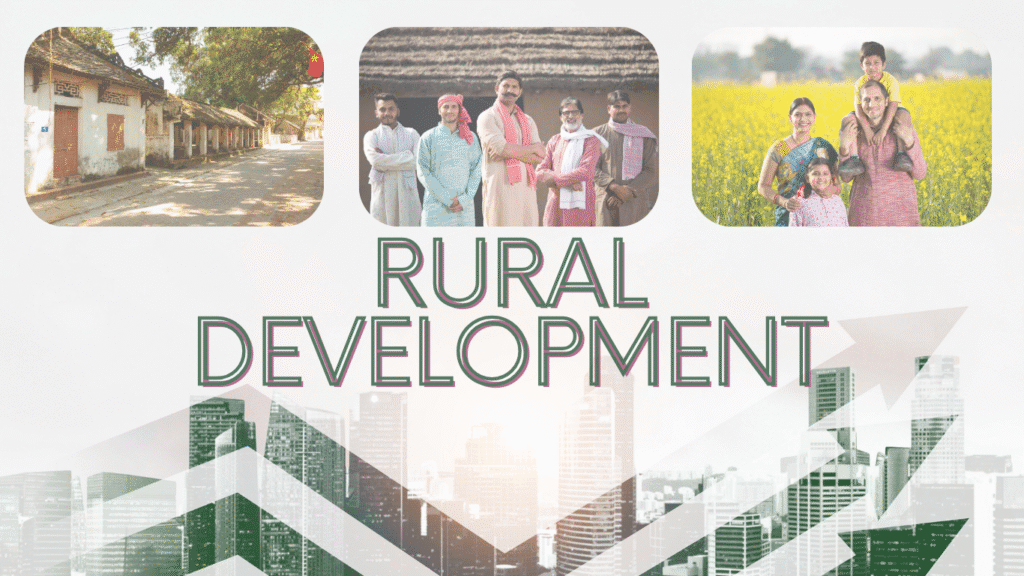
Rural development that’s well planned ensures people stay close to their roots, grow where they are, and build a future within their own communities. Over time, this leads to reduced inequality, stronger local markets, and healthier social systems. Simply put, when rural regions do well, the benefits ripple far and wide — from food security and employment to social stability and environmental resilience. Thus, investing in rural development is really an investment in a more balanced, inclusive future for everyone.
The Building Blocks of Stronger Rural Communities
At Green Pistachio, we see rural development as more than solving one problem at a time. It’s about working on multiple challenges together, through collective effort, while keeping growth sustainable and rooted in real needs. That’s when change starts to feel real. Let’s take a closer look at the five pillars that support rural development in India.
Pillar 1: Education & Learning Access

Picture this: you walk into a village school, and instead of dusty chalkboards, bright smart screens light up curious faces. Teachers guide interactive lessons, and kids are excited to learn every day. Organisations like Vedak Foundation are making this a reality — in Kolhapur, attendance rose by 30% after smart classrooms were introduced. Education like this forms a crucial pillar of rural development, building skills, confidence, and stronger communities.
Pillar 2: Health, Nutrition, and Sanitation

True progress in our villages is often held back by gaps in healthcare, nutrition, and sanitation. These challenges create a cycle: children miss school due to illness, adults lose workdays, and family savings are drained by medical costs instead of being invested in growth. Initiatives like Sun Pharma’s Mobile Healthcare Units, bringing primary care and medicines directly to rural communities, help bridge this gap. When these fundamental needs are met, a transformation begins. Healthy children can learn consistently, adults can work productively, and communities can channel their energy into building a self-reliant future. Therefore, health and sanitation are not just services—they are the essential pillars of rural development.
Pillar 3: Livelihoods & Skill Building
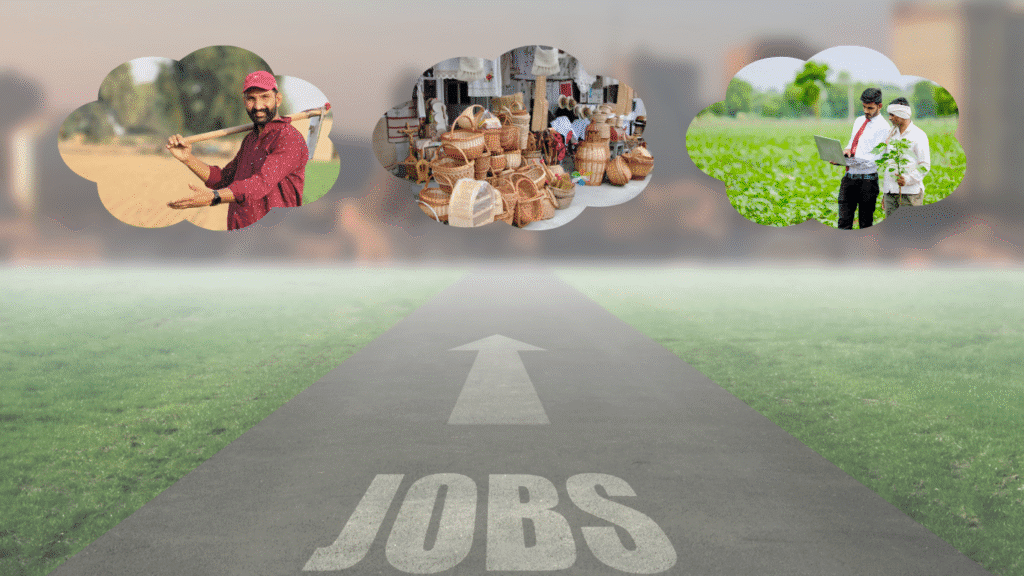
A thriving village is built when its youth can find opportunity right at home. Relevant skill-building—in areas like organic farming, digital crafts, or enterprise management—turns potential into local livelihood. Organisations like reCharkha are reviving traditional skills and enabling rural women and youth to earn through handcrafted, upcycled products made from waste plastic, helping them stay rooted while building sustainable income. This approach not only drives economic growth from within but also strengthens the community as a whole. Therefore, fostering local skills stands as a key pillar in the journey toward self-reliant rural development.
Pillar 4: Agriculture & Water Management
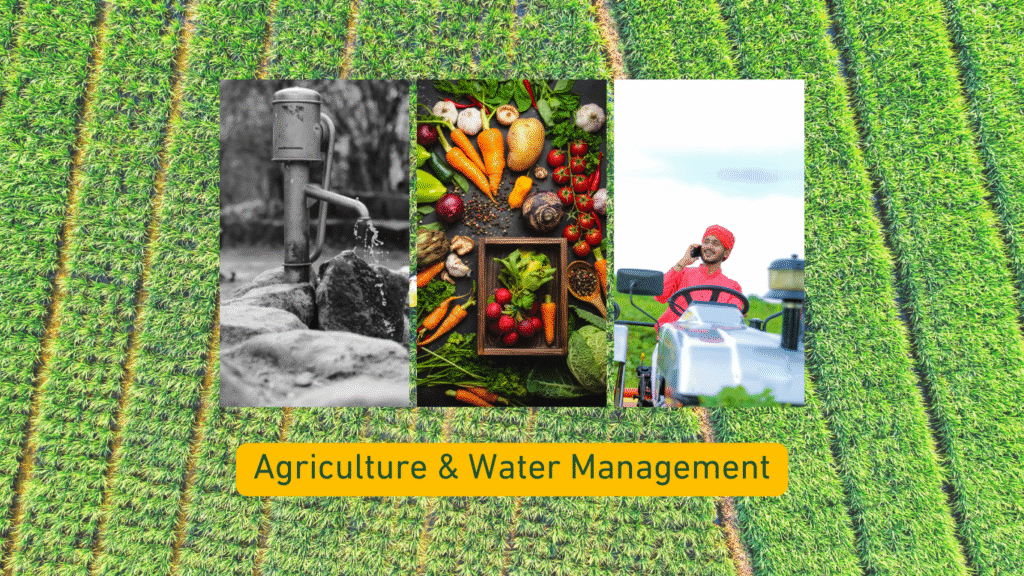
The strength of a village often starts with two things: its fields and its water. Smart water use and good farming practices lead to better harvests, happier farmers, and more stable local incomes. Solutions like BoreCharger, which help manage groundwater and optimize irrigation, make it easier for farmers to use water efficiently and sustainably. This creates a cycle of grassroots empowerment that lays the foundation for a thriving community. That’s why nurturing agriculture and water stewardship is key to lasting rural development.
Pillar 5: Infrastructure & Connectivity
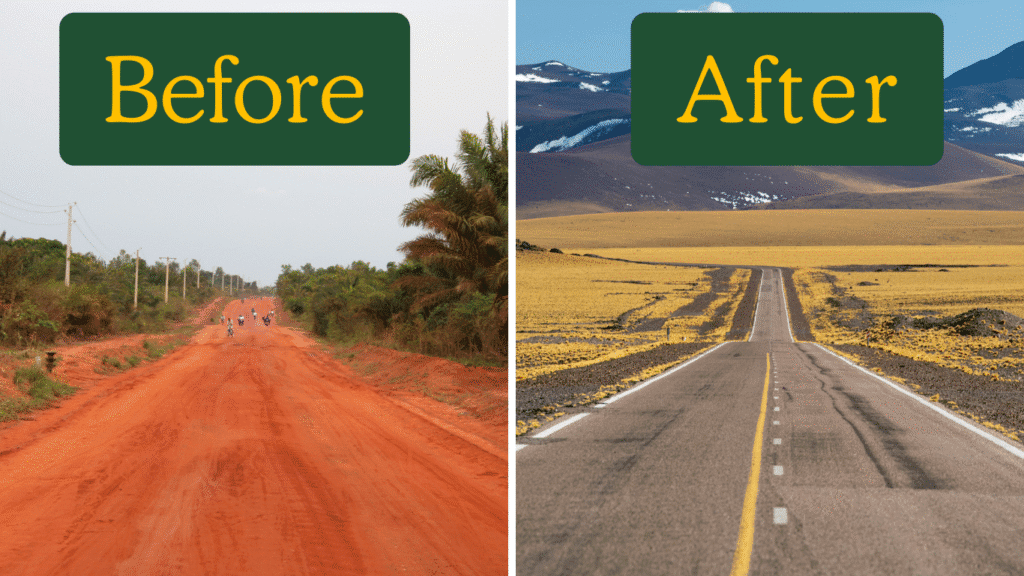
Imagine a village that is connected—not just by roads, but by electricity, digital networks, and access to markets. This web of connections invites new opportunities, keeps communities vibrant, and lays a strong foundation for growth. India’s Pradhan Mantri Gram Sadak Yojana (PMGSY) has been extending all‑weather road access to even the most remote habitations, with over 780,000 km of rural roads completed to date, linking families to schools, health centres, and markets. As infrastructure and connectivity improve, remote villages become active participants in progress, proving these elements are crucial pillars of rural development.
Let’s Keep the Conversation Going
These five pillars offer a simple but powerful way to look at rural development — it’s about getting the basics right, consistently. These five pillars show how everyday systems shape long-term outcomes for villages. We’d love to know what you think matters most — we’ve shared a quick poll on LinkedIn to keep the conversation going.
References:
- https://www.pib.gov.in/FactsheetDetails.aspx?Id=149120®=3&lang=1
- https://indianinfrastructure.com/2026/01/09/rural-road-development-progress-and-key-initiatives-under-the-pmgsy/