
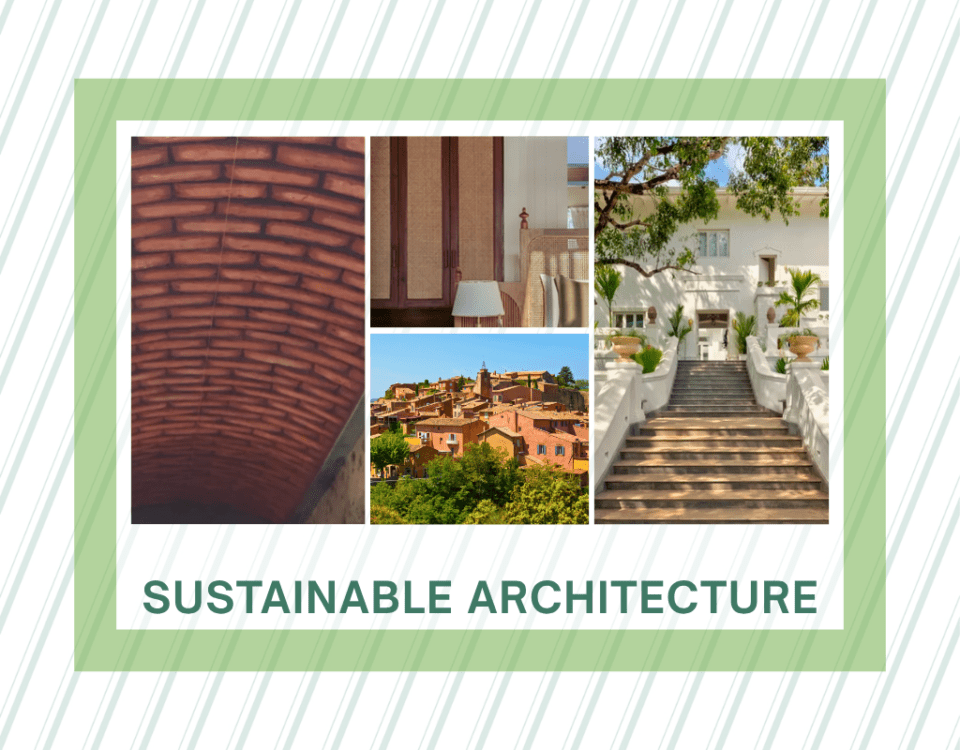
Simple Architecture Hacks That Make Your Home Truly Sustainable
If you’re planning to renovate your home or build one from scratch, here’s a wild idea—what if your house didn’t lowkey harm the planet while looking Pinterest-perfect? Yes, sustainable architecture lets you jump on the trend wagon while keeping nature happy. From eco-friendly materials to energy-efficient layouts, it’s no longer about choosing between style and sustainability—you can have both, and do it better. So, how do you do it? Let’s find out.
Home for You, Home for Nature
Your home is where you feel most at ease. But it exists within a larger home—nature. Caring for it is part of the process. And sustainable architecture is where you begin.
Choose Sustainable Building Materials
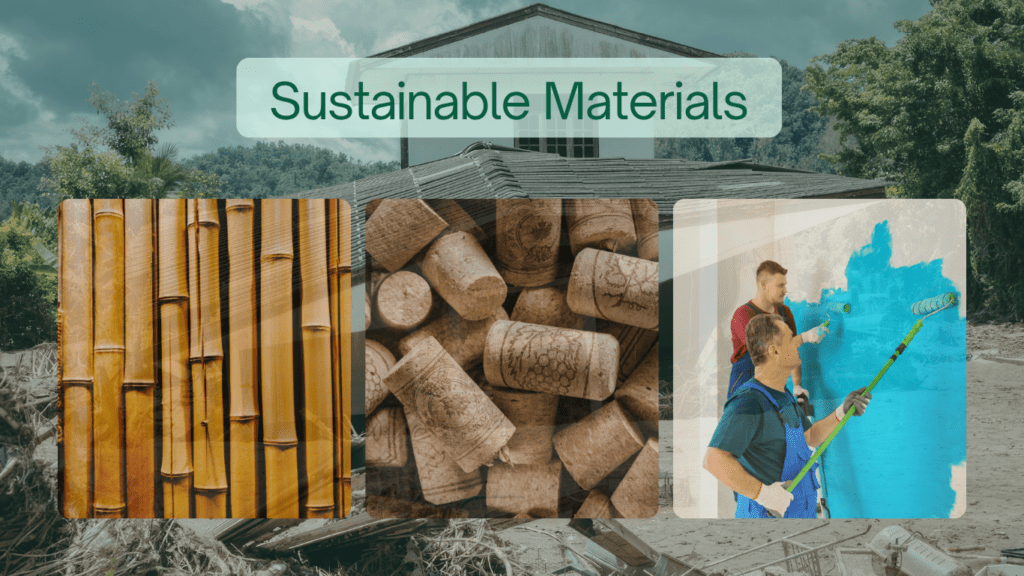
Over 40% of global carbon emissions come from building materials and construction, and choosing sustainable materials can dramatically cut that footprint.
- Eco-friendly Materials – Bamboo, cork, reclaimed wood, and other sustainable materials are affordable, fast-growing, low-impact, and add a unique, stylish touch to your home.
- Locally Sourced Materials – Using these cuts transport emissions, lowers your carbon footprint, supports local communities, and creates a home that feels rooted in its surroundings.
- Non-Toxic Paints – Low-VOC (Volatile Organic Compounds) paints reduce strong smells and harmful fumes. Chemical-free options improve indoor air quality, creating healthier, more sustainable living spaces.
- Recycled & Reclaimed Materials – Reclaimed wood, recycled metal, and salvaged items reduce landfill waste, lower costs, and promote circular design practices.
Curious how these materials can transform your home? Check out our full guide.
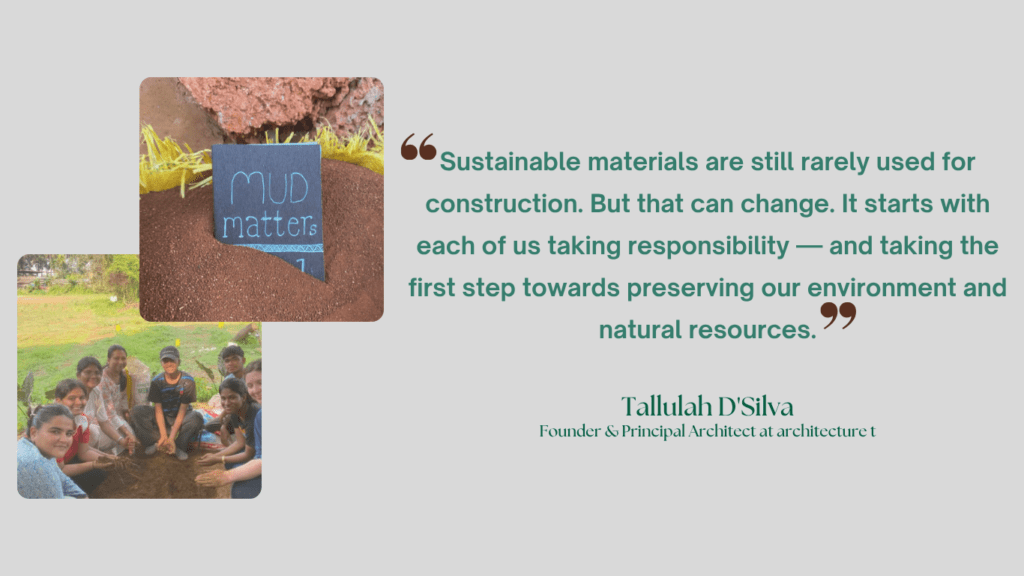
Tallulah D’Silva, a sustainable architect, tells us that rising heat is a result of both individual choices and professional practices. From daily waste to construction dominated by cement and concrete, our actions add up. Sustainable alternatives already exist — we just need to adopt them in how we build and live.
Design with Purpose and Performance
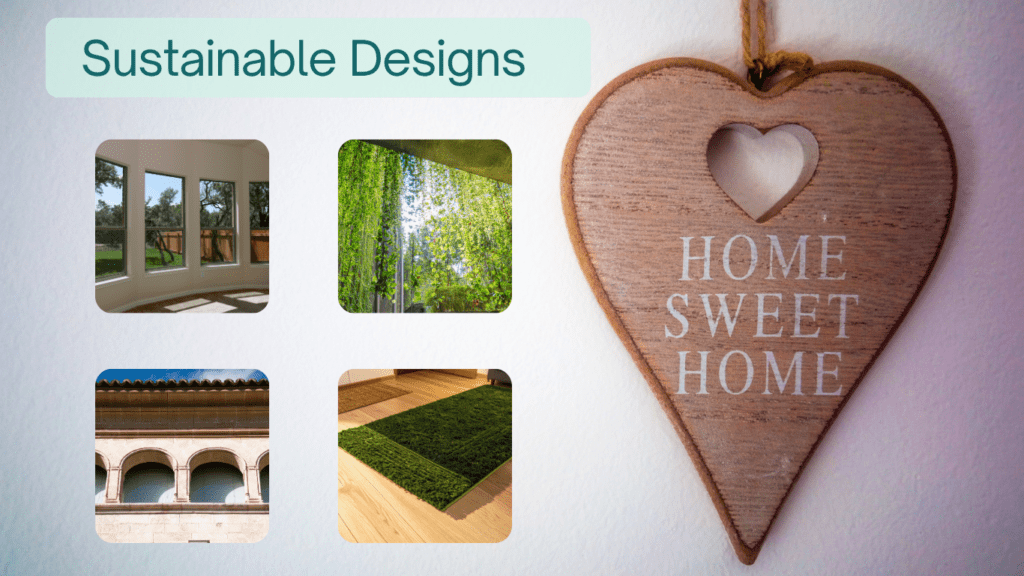
Did you know that 20–30% of a home’s heat gain or loss happens due to poor design and layout choices? The solution isn’t always more energy—it can also be a better design.
- Eco-Smart Spatial Design – Position windows to bring in more daylight, and plan rooms to allow cross-ventilation—this reduces your need for artificial lighting and AC.
- Climate-Responsive Design – Design your home to sit naturally within its environment—responding to seasons, landscape, and surroundings rather than forcing uniform comfort through heavy energy use. Homes by Vianaar are a great example of this approach.
- Passive Cooling & Heating Techniques – Simple tweaks—like better insulation, reflective surfaces, sealed gaps, rugs, and lighter colours—can make your home more comfortable while being kinder to the environment.
- Biophilic Design – What if buildings could breathe like forests? Biophilic design makes it happen. Living walls purify air. Clerestory windows harvest sunlight. Green roofs reduce the temperature of the house & surroundings. It is like nature’s toolkit for sustainable architecture.
Right from the design stage, even the geometry of a home can make a big difference. Its shape and proportions influence how sunlight enters, how air flows, and how heat builds up.
Build Water-Smart Homes
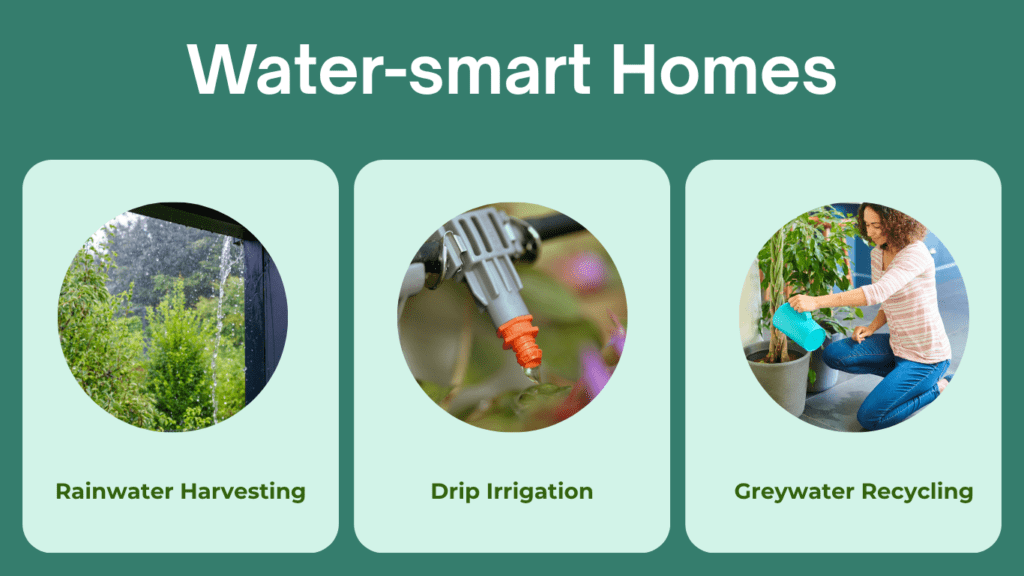
With water stress increasing globally, homes that manage water efficiently aren’t just sustainable, they’re future-ready.
- Rainwater Harvesting – Make the most of the monsoon—collect rooftop rainwater and store it for flushing, cleaning, or gardening, reducing dependence on tankers.
- Greywater Recycling – Reuse water from sinks, showers, washing machines, and even excess water from purifiers for non-drinking purposes, helping reduce overall water consumption.
- Drip Irrigation for Balconies – Instead of watering plants the usual way, switch to drip systems that deliver water directly to the roots—reducing waste and overwatering. Check out drip irrigation kits like ORTIZA for your home, which is easy to install and much more water-efficient than regular watering.
- Water-efficient Appliances – Choose appliances designed to use less water, and pair that with simple habits like full loads, eco settings, and regular maintenance to maximise efficiency.
Take our water footprint challenge to save water daily while avoiding unnecessary wastage. For more, explore our take on rainwater harvesting and inspiring real-life water transformation stories.
Make Every Unit of Energy Count
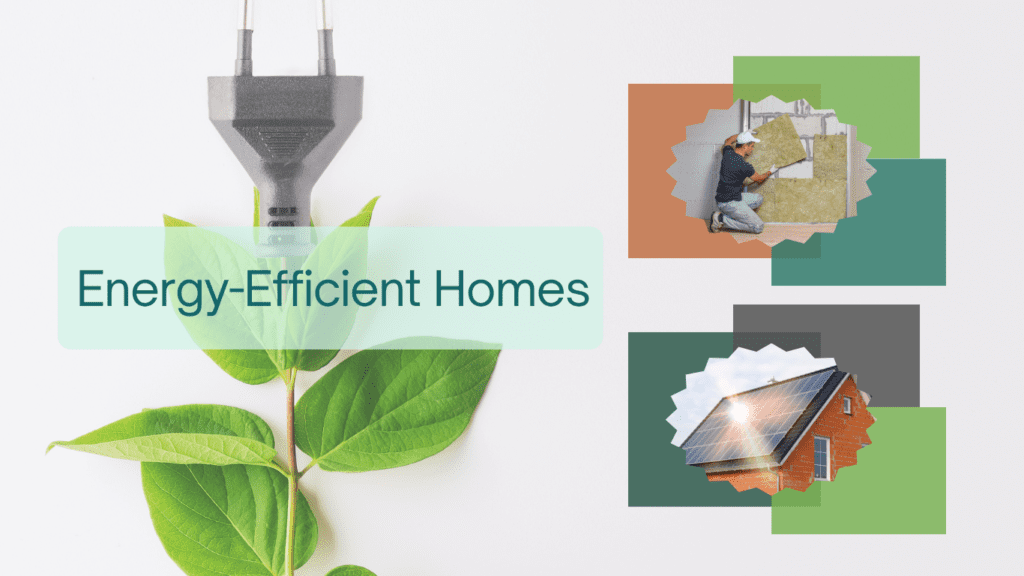
Sustainable architecture is also about how a home uses (and saves) energy every single day. Whether you’re building from scratch or remodeling, these choices can quietly reduce your footprint over time.
- Renewable Energy Integration – Solar panels or solar water heaters can turn your home into a mini clean-energy hub, reducing dependence on conventional power – something increasingly achievable today, as solar solutions become more accessible and adaptable for everyday use, as explained in this video by Alekhya Datta, from TERI.
- Smart Energy Use – Timers, sensors, and smart systems help avoid unnecessary consumption, because the most energy saving happens with the energy you don’t use.
- Efficient Lighting & Appliances – Switching to efficient appliances today goes beyond LEDs—BLDC (Brushless Direct Current) fans, smart plugs that cut standby power, and induction cooktops that reduce heat loss can quietly bring down your electricity use without changing how you live.
- Better Insulation – Urban strategies like cool roofs, shaded streets, and afforestation reduce heat buildup, while well-insulated, airtight building envelopes can cut heating and cooling energy needs by up to 40–50%.
Another way to ensure energy-efficiency maximization in old and new homes is through retrofitting, where existing buildings are upgraded with improvements like better insulation, efficient glazing, and cooler roof treatments to reduce energy loss and cut overall consumption without needing full reconstruction.
Choosing Your Version of Sustainable Architecture
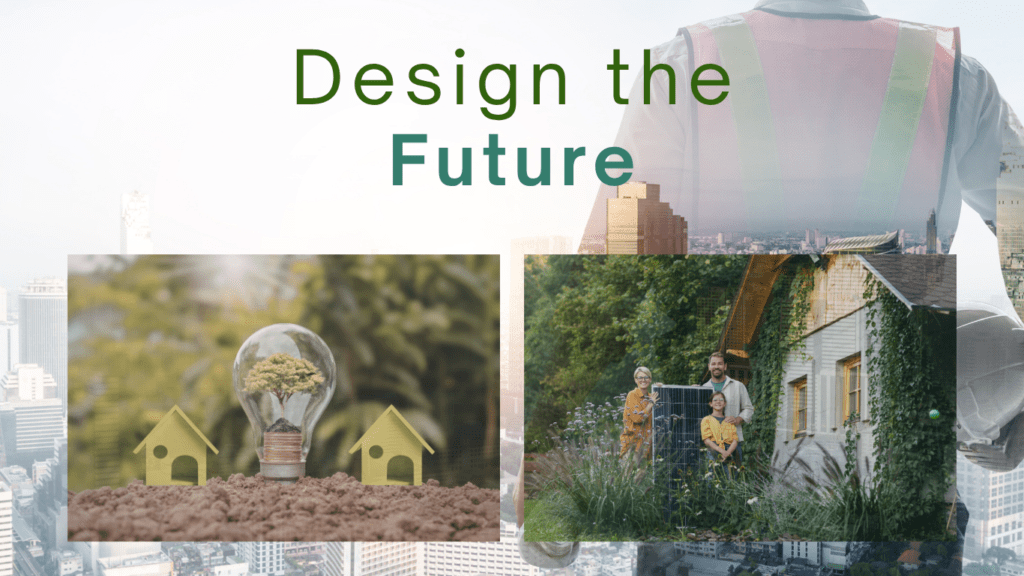
Sustainable architecture isn’t just theory—it’s already being lived. Projects like Tambdi Maati bring in earth-based materials, natural cooling, and low-energy systems that feel rooted and intentional.
You can also check out TPB Realty on Instagram—their content gives you a real feel of homes in Goa that blend beautifully with their surroundings, from restored villas to spaces that naturally stay cool, airy, and connected to the landscape.
Sustainability comes with 17 goals—but no one’s expecting you to do it all. What matters is where you begin.
These ideas aren’t meant to overwhelm you—they’re here to help you pick what works for your home, your budget, and your lifestyle. Because in the end, it’s the small, intentional choices that really add up.
So, what would you try first? And if there’s a simple idea we’ve missed, drop it in—we’d love to learn from you too. Share this with someone building (or dreaming of) a more sustainable home.