
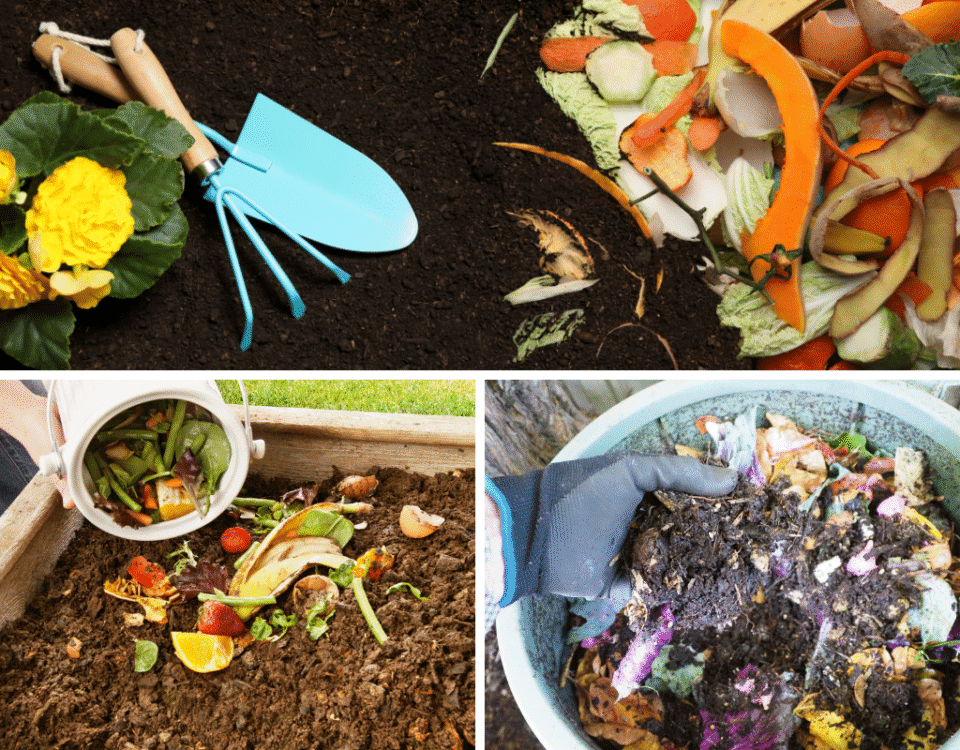
The Composting Challenge: Reclaim Your Scraps, Unlock Soil Magic
Do you know what happens to your wet waste if it’s not properly segregated? Picture it like a forgotten corner of Hogwarts: soggy, smelly, and mysteriously alive with tiny, unwanted creatures. Left alone, your scraps fester and cast a methane spell everywhere. But with some simple composting magic, the same wet waste can transform into nutrient-rich soil that nourishes your garden like a well-brewed potion.
To help you unlock this green magic, we’ve crafted a 4-week Composting Challenge that shows you how to turn kitchen waste into the healthiest treat your plants will ever taste. No spells required—just a bin, a little curiosity, and a dash of patience. Ready to begin? Let’s kick off the 4-week Composting Challenge.
Let’s Break It Down (Literally): What Composting Means
Composting is the easiest way to watch the circular economy in action, starting with your food scraps. You collect and mix them with a few dry ingredients and let the microbes do the heavy lifting. That’s it. No rocket science, no backyard jungle required—just simple, everyday magic.Nearly 50% of our household waste is compostable, which means half your trash can actually become treasure for your plants! So, instead of sending your kitchen waste to a landfill (where it just sits and releases methane), composting puts it back into the soil where it belongs. It’s eco-friendly, budget-friendly, and genuinely rewarding once you see the results.
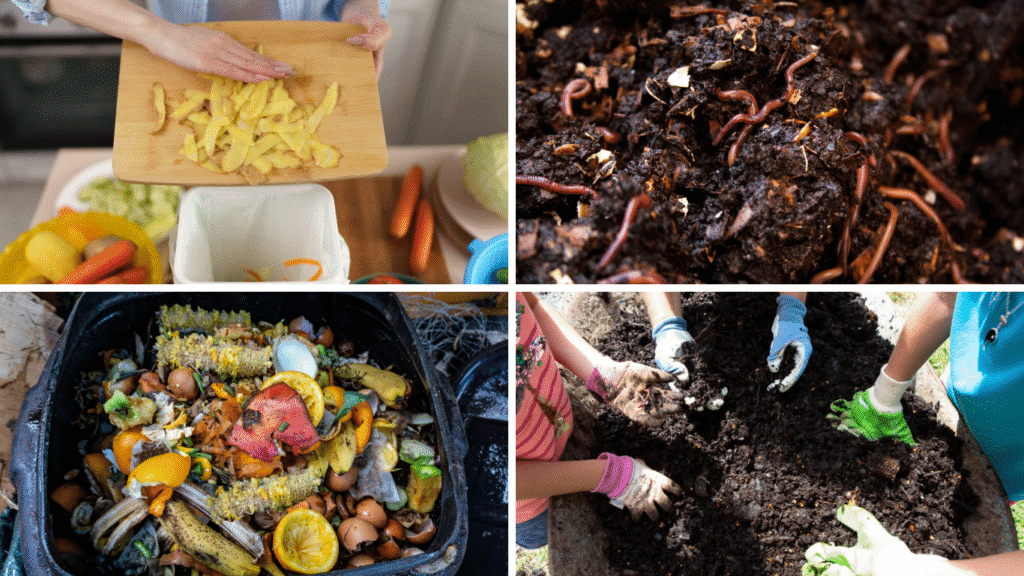
And here’s where it gets exciting – you can compost in more than one way. There’s always a style that fits your space, routine, and comfort level. Here are the most popular types of composting:
- Bin Composting: The classic method. Toss your kitchen scraps into a bin, layer with dry waste, keep it aerated, and let nature handle the rest.
- Bokashi Composting: Great for small spaces. It uses a special bran to ferment your waste—yes, even cooked food—and turns it into nutrient-rich pre-compost that can be buried in soil or mixed into your regular compost to complete its transformation.
- Vermicomposting: A fan favourite. Uses earthworms to break down waste into nutrient-rich compost.
- Community Composting: Drop your waste at a shared composting facility—super convenient.
And if you want to nerd out a little more, the U.S. Environmental Protection Agency has a great explainer you can skim. Now that you’ve got the composting lowdown, ready to put it into action? Let’s begin.
Composting Challenge: Ready, Set… Compost!
You’ve learned the “why,” now let’s dive into the “how.” Here comes Week 1!
Week 1: Master Your Green to Dry Ratio
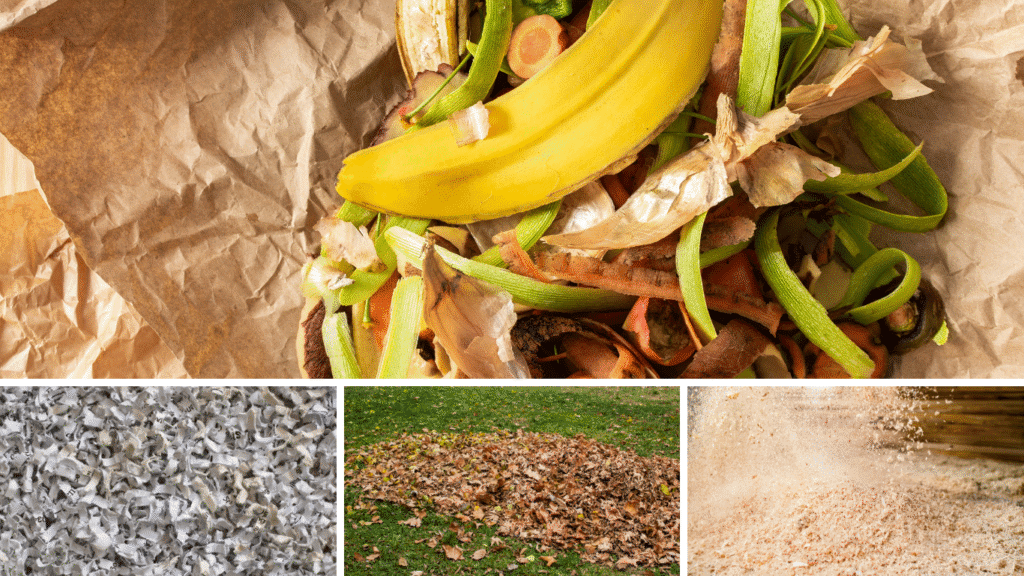
Week 1 is all about balance—the composting kind. The magic ratio is 3 parts brown waste to 1 part food scraps. Your brown waste is the hero team: cardboard bits, dry leaves, shredded newspaper, cocopeat, straw, and sawdust. Wet waste includes veggie peels, fruit scraps, leftovers, tea leaves, and coffee grounds. The wet brings nutrients; the dry brings structure. Without this balance, your compost either sinks into soggy misery or dries up into a crunchy snoozefest.
Challenge of the week: start layering consciously—wet, dry, repeat—and train your eyes to spot that perfect 3:1 balance.
Week 2: Manage the Damp Factor
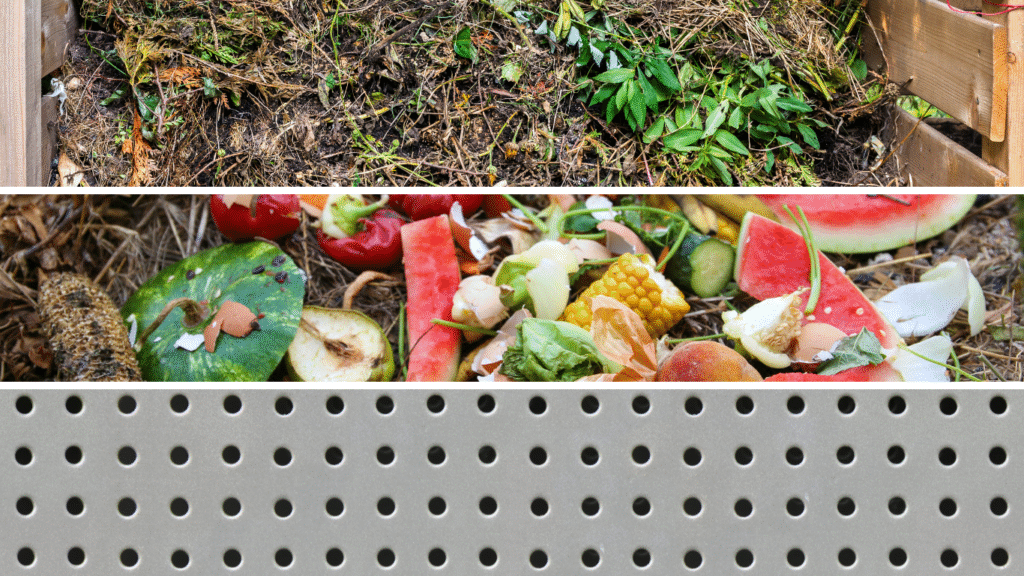
While Week 1 was about balance, Week 2 is all about drainage—a small detail that makes a huge difference. Without proper drainage, your compost sits in trapped moisture and starts to stink. Good drainage keeps everything from turning into a swampy mess and helps microbes stay active and productive. Make sure your bin has enough holes at the bottom and sides, add a base layer of dry leaves or cardboard, and keep an eye on any excess moisture building up.
Challenge of the week: give your compost a “drainage test”—it should feel moist, not drenched.
Week 3: Sun or Shade? Find the Sweet Spot
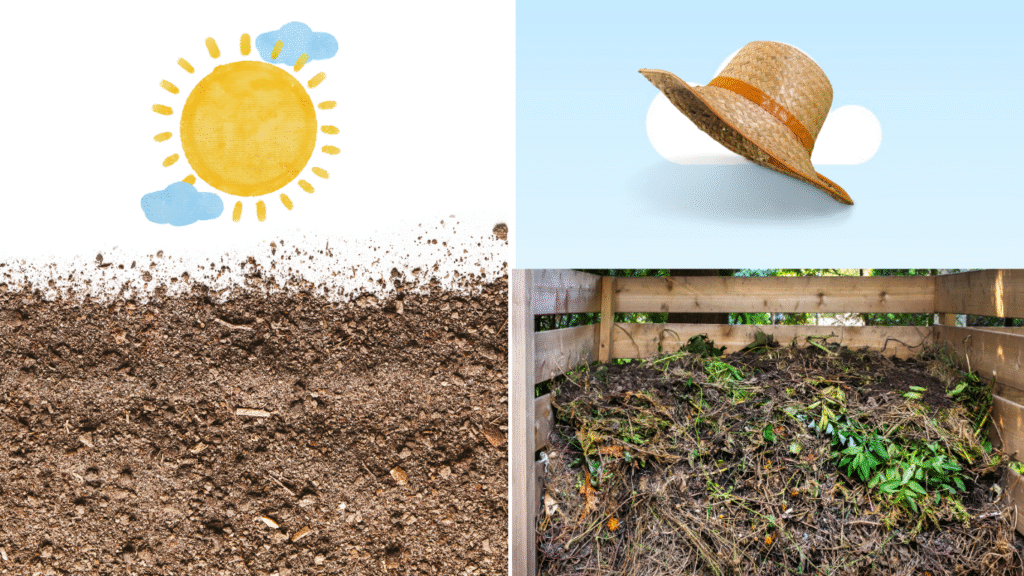
Week 3 is all about giving your compost a comfortable home—somewhere cool, shaded, and lightly covered so it can thrive. Compost loves being out of harsh sun, but it also doesn’t enjoy being buried in too much shade. Too much heat dries it out and slows down the decomposition process, while too much shade makes it slimy. A simple cover helps retain just the right amount of moisture, keeps odours under control, and prevents curious visitors from poking around your pile.
Challenge of the Week: Find your compost’s “just right” spot. Aim for bright indirect light and keep it lightly covered so it stays perfectly moist, not soggy.
Week 4: Give Your Compost Some Breathing Space
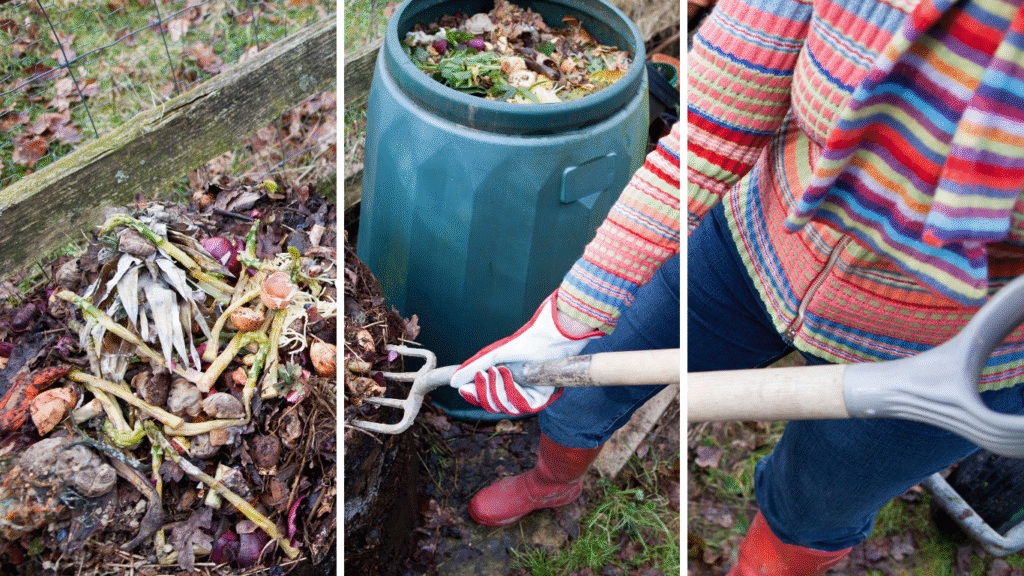
Week 4 is all about stirring things up—literally! Your compost microbes are working hard, and they need oxygen to do their magic. Without aeration, your pile can get compacted, smelly, or downright lazy. A good mix keeps moisture balanced, speeds up decomposition, and makes your compost light and fluffy. Active, airy compost breaks down faster and produces that rich, crumbly soil your plants will thank you for.
Challenge of the Week: Grab a stick, fork, or shovel, and give your compost a few good turns. Make sure air reaches every layer, and notice the difference in texture and smell. Many composters come with a built-in turning mechanism, so you can just rotate the bin instead of manually mixing it. You can check out –
Composting Right: Keep the Green Magic Alive
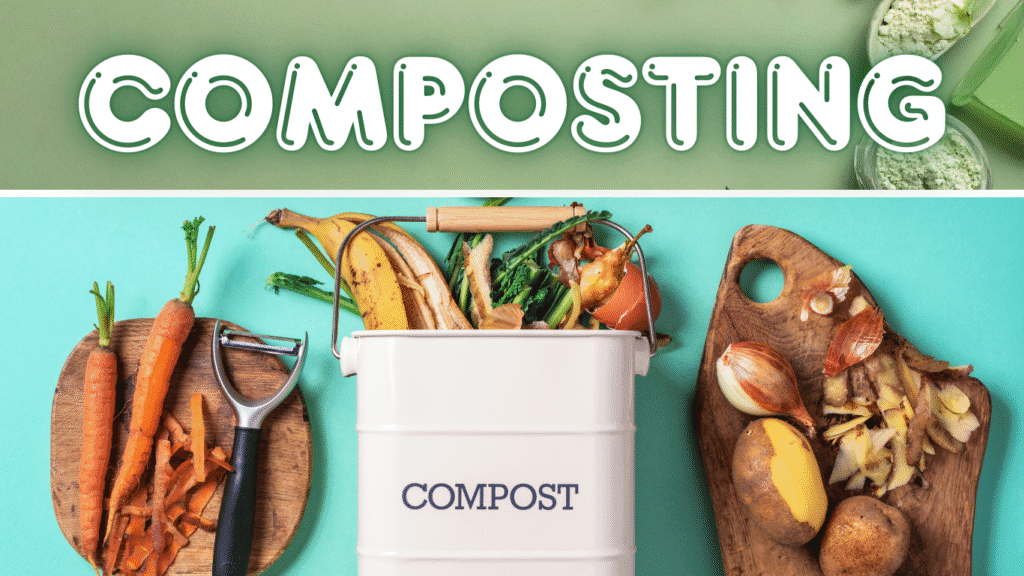
Congratulations! You’ve completed the 4‑week composting journey— from balance, drainage, shade, to airflow. Stick with it, and you’ll not only cut down waste but also feed your plants with rich, soil‑loving compost. And here’s the fun part: you don’t have to do it alone. Share your composting journey with friends, post photos of your compost bin, show off your kitchen scraps in action, or even challenge someone to start their own pile. Don’t forget to tag @thegreen.pistachio, and we’d love to feature your wins on our stories! Remember, every peel, leaf, and bit of kitchen scrap is a small but mighty step toward a healthier planet.
If you want to supercharge your compost game or make it even simpler, here are some nature‑friendly compost tools and kits you might love: Ugaoo Home Compost Bin Kit, Urban Worm Company’s Urban Worm Bag, and Biodrops Bokashi powder. You can also browse SuNilima Sustainable Solutions and D-ERT Shop for thoughtful, practical composting tools to level up your setup.