Forgotten Indian Special Monsoon Foods: Know The Traditional Varieties
Matcha Is Trending. Meanwhile, Your Grandmother Is Quietly Winning Monsoons. Let’s be honest. A lot of modern wellness feels like traditional wisdom wearing premium packaging.
Someone is spending ₹800 on ceremonial-grade matcha. Someone else is importing berries from another continent. Meanwhile, a wellness influencer is explaining the benefits of ginger as if she personally discovered it during a silent retreat in Bali.
At the same time, Indian kitchens are quietly watching this unfold with remarkable patience.
Because long before wellness became an industry, monsoon wellness was already a season. Long before immunity became a marketing buzzword, Indian households were adjusting their diets based on the weather, the season, and the body’s changing needs.
The irony is almost impressive.
We are constantly searching for the next superfood while ignoring ingredients that have survived Indian monsoons, grandmothers, and generations of seasonal coughs, sniffles, and digestive surprises without ever needing a social media manager.
Which raises an uncomfortable question:
Have we become so obsessed with discovering new wellness trends that we’ve forgotten the foods that were designed for the season we are actually living in?
Monsoon Has Excellent Aesthetics. It Also Comes With Problems.
Monsoon arrives carrying a carefully curated image.

There are chai breaks by the window, dramatic skies, nostalgic playlists, pakoras, and social media posts featuring rain-soaked streets and poetic captions.
What monsoon’s marketing team rarely mentions is everything else.
- The seasonal flu.
- The sore throats.
- The recurring coughs.
- The digestive issues.
- The reduced immunity.
The mysterious stomach bug that somehow visits every family at least once during the season.
Monsoon is essentially that friend who arrives with snacks and chaos at exactly the same time.
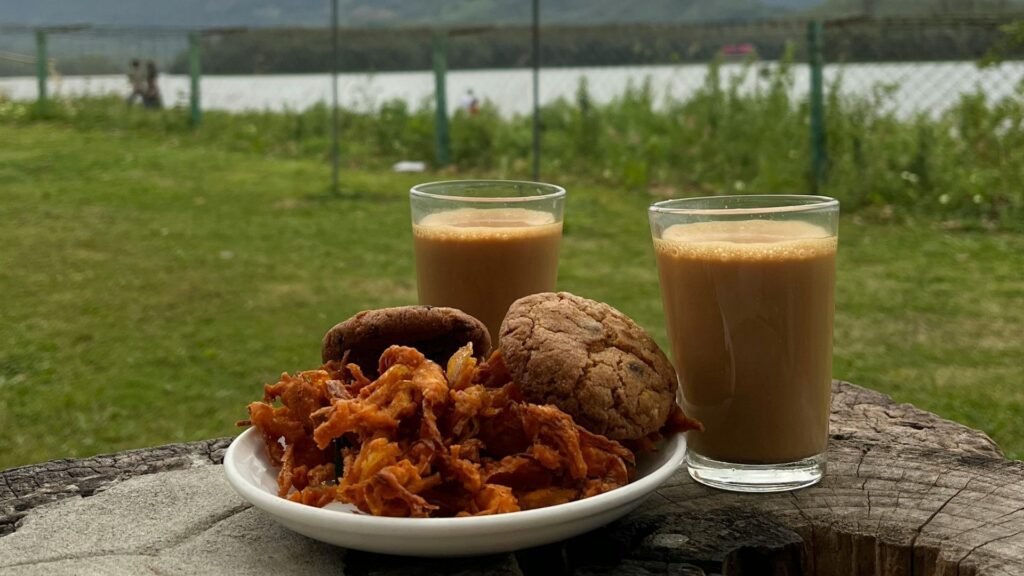
This is precisely why traditional Indian diets evolved around seasonal eating. People weren’t consuming specific foods because they were trendy. They were consuming them because generations had observed that certain foods worked better during damp weather, changing temperatures, and seasonal infections.
A surprisingly logical system, if we’re being honest.
Before Superfoods Became A Marketing Category
Today’s wellness industry loves the word “superfood.”
The term appears on powders, capsules, beverages, snack bars, and products that occasionally cost more than a decent dinner.
Indian households approached the concept differently.
They didn’t need a category called superfoods because they simply called it food.
The ingredients that appeared every monsoon weren’t chosen because somebody launched a campaign around them. They earned their place through decades of practical use and seasonal relevance.
Unfortunately, most of them suffer from a severe branding problem.
Let’s fix that.
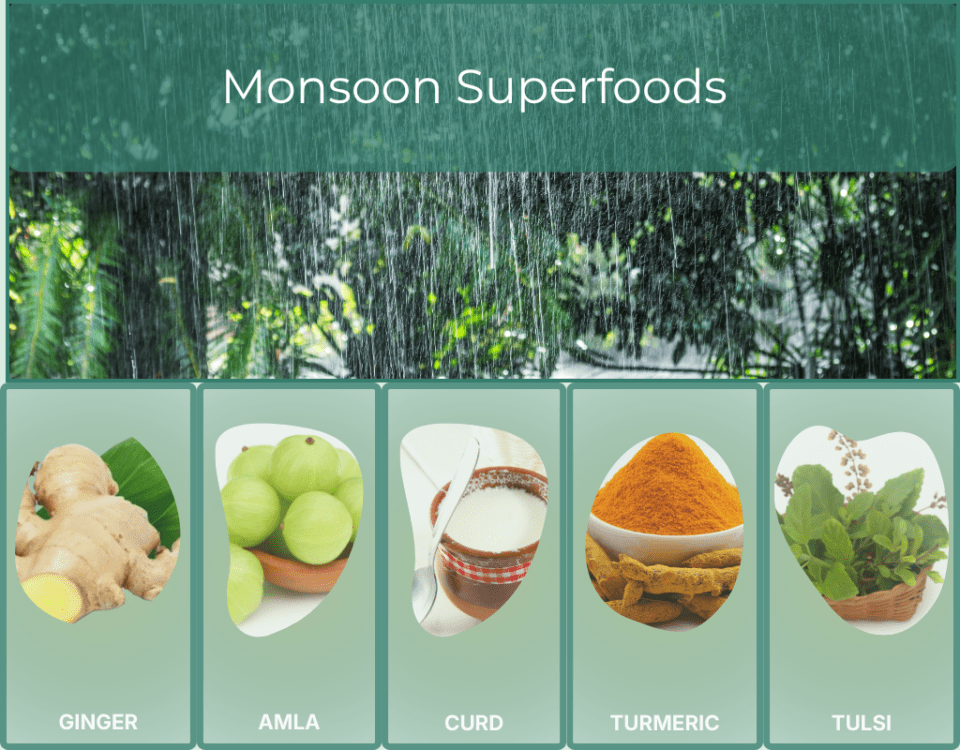
1. Ginger: The Employee Carrying The Entire Team
If monsoon had a captain, it would probably be Ginger.
Few ingredients appear as consistently in Indian rainy-season diets as this humble root. Whether it’s the first sign of a sore throat, a rainy-day craving, or digestive discomfort after questionable street food decisions, ginger somehow finds its way into the solution.
You’ll find it in:
• Adrak chai
• Kadha
• Soups
• Herbal infusions
• Home remedies
For an ingredient that works this hard, it receives surprisingly little appreciation.
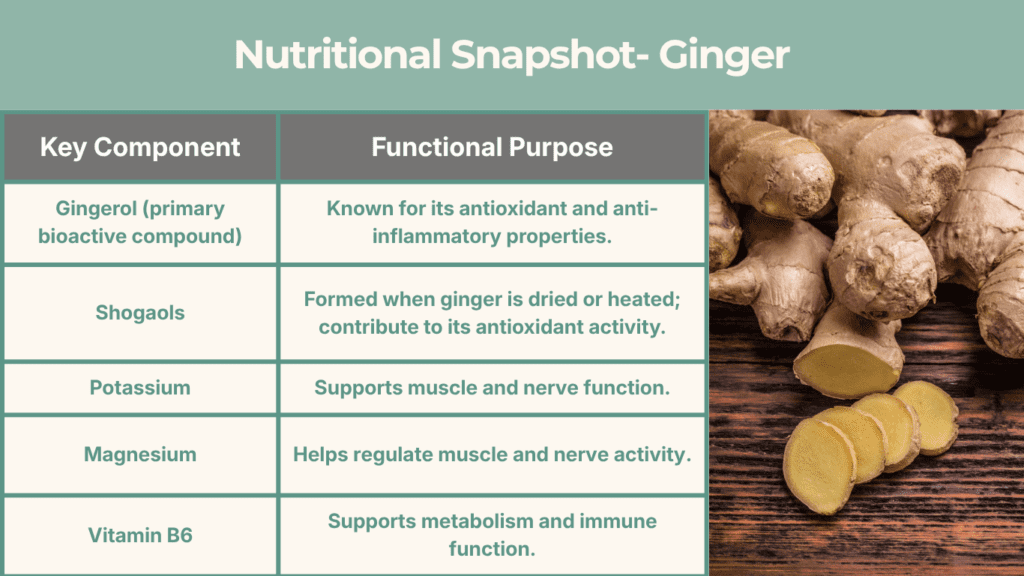
Potential Benefits
• May help support digestive comfort and reduce occasional nausea.
• Traditionally used to soothe sore throats and seasonal discomfort.
• Contains antioxidants that help protect cells from oxidative stress.
• Supports normal inflammatory responses in the body.
2. Tulsi: The Quiet Overachiever
Tulsi has spent centuries being recommended by grandmothers, Ayurvedic practitioners, and practically anyone who has survived more than ten monsoons.
It isn’t flashy.
It doesn’t come in imported packaging.
It simply keeps showing up whenever seasonal wellness becomes a priority.
During monsoon, Tulsi commonly appears in:
• Herbal teas
• Kadhas
• Home remedies
• Wellness infusions
• Traditional immunity rituals
Honestly, if consistency won awards, Tulsi would need a larger shelf.
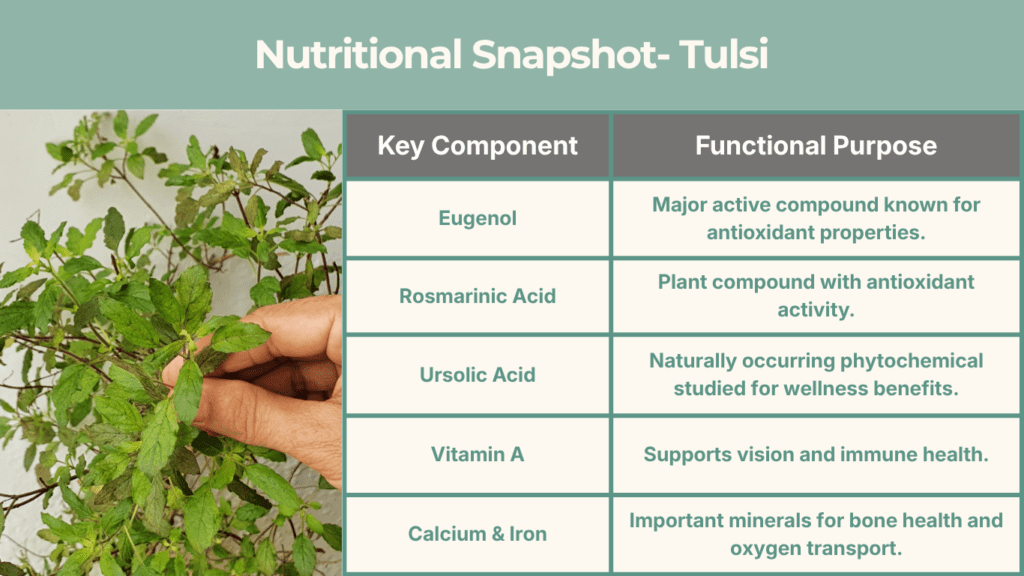
Potential Benefits
• Traditionally used in Ayurvedic wellness practices.
• Contains antioxidants that support overall health.
• Commonly consumed during seasonal weather changes.
• May help support respiratory comfort.
3. Amla: The Fruit With Terrible Marketing
Modern wellness culture loves Vitamin C.
It just seems oddly determined to source it from the most exotic location possible.
Meanwhile, Amla has spent generations quietly existing in Indian households without a branding agency.
You’ll commonly find it as:
• Amla juice
• Murabba
• Candies
• Powders
• Pickles
Not bad for a fruit that receives significantly less attention than imported berries.
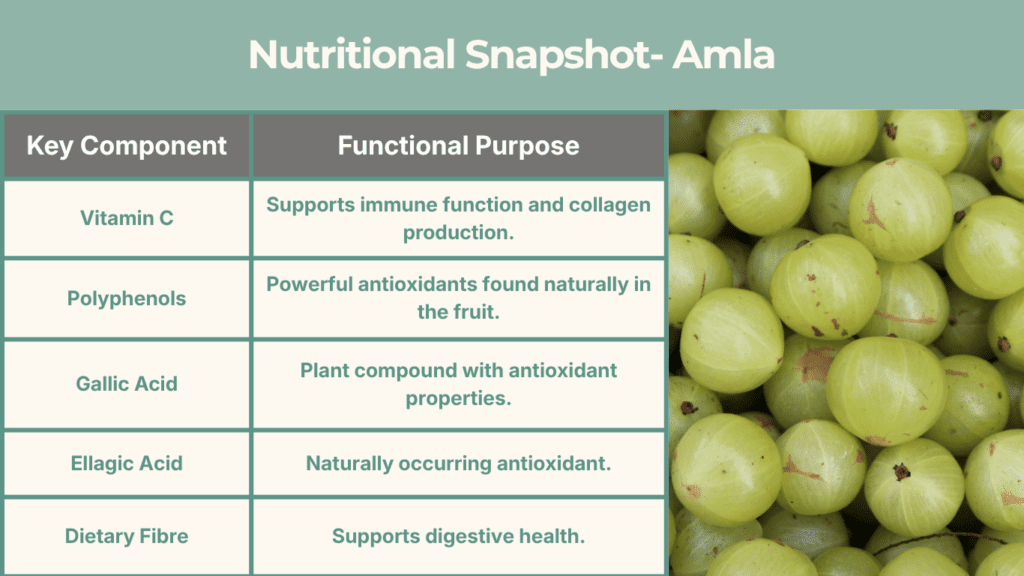
Potential Benefits
• One of the richest natural sources of Vitamin C.
• Supports immune system function.
• Helps support healthy skin through collagen formation.
• Provides antioxidant protection against oxidative stress.
4. Turmeric: The Veteran Professional
Every workplace has that employee who has been solving problems long before anyone else arrived.
That’s Turmeric.
Monsoon arrives with seasonal infections, inflammation concerns, and the occasional immunity crisis. Turmeric simply continues doing what it has always done.
You’ll find it in:
• Haldi doodh
• Kadhas
• Soups
• Traditional recipes
• Wellness drinks
At this point, Turmeric is less an ingredient and more an institution.

Potential Benefits
• Contains curcumin, known for antioxidant activity.
• Traditionally used in Indian households during seasonal transitions.
• Supports overall wellness when consumed as part of a balanced diet.
• Often paired with black pepper to improve curcumin absorption.
5. Curd And Fermented Foods: The Gut Specialists
Monsoon doesn’t just challenge immunity.
It challenges digestion too.
Changing weather conditions, food contamination risks, and fluctuating eating habits often make gut health particularly important during this season.
This explains why fermented foods have remained relevant across generations.
Popular choices include:
• Fresh curd
• Buttermilk
• Homemade fermented preparations
• Traditional probiotic-rich foods
Turns out your gut has been demanding attention long before wellness podcasts started talking about it.

Potential Benefits
• Supports digestive health through beneficial bacteria.
• Helps maintain gut microbial diversity.
• Provides high-quality protein and calcium.
• May support overall digestive comfort.
The Wellness Industry Owes Grandmothers A Royalties Agreement
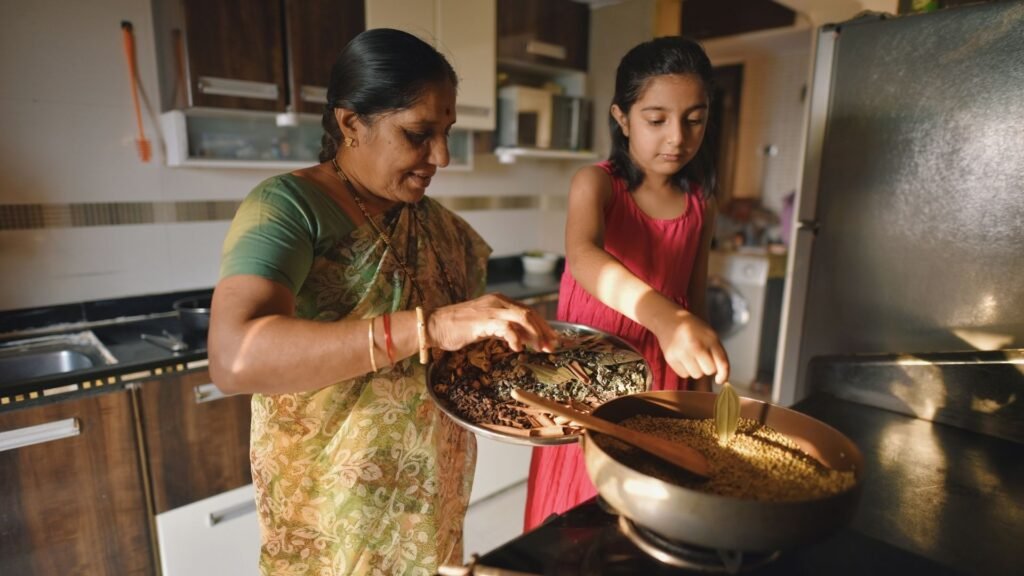
Here’s the funny thing.
Many modern wellness trends are not introducing new ideas.
They’re simply reintroducing old ones with better branding.
Functional immunity beverages?
That’s Kadha.
Wellness shots?
That’s Amla juice.
Herbal infusions?
Tulsi tea would like a word.
Somewhere along the way, we became convinced that health had to arrive in imported jars, subscription boxes, and minimalist packaging.
Meanwhile, traditional monsoon foods continued doing exactly what they had always done.
Quietly supporting people through changing weather.
No hashtags required.
Monsoon Foods: Final Serving
The biggest lesson hidden inside traditional Indian monsoon diets isn’t a specific ingredient.
It’s the idea of seasonal eating itself.
For generations, people adjusted their food according to the weather, the environment, and the needs of the body. Monsoon foods were for monsoon. Summer foods were for summer. Nobody needed an app to explain it.
Perhaps we’ve complicated something that was never meant to be complicated.
The next time the rains arrive carrying their annual collection of sniffles, sore throats, digestive surprises, and unsolicited health advice from relatives, consider looking closer to home before searching for the latest wellness trend.
Because before there were superfoods, there were seasonal foods.
Before there were wellness influencers, there were grandmothers.
And before there was matcha, there was an entire Indian kitchen quietly preparing for the monsoon.
What Do You Think?
Have traditional Indian monsoon foods been unfairly replaced by wellness trends?
And if your grandmother had to nominate one of the forgotten monsoon foods for a comeback, what would it be?