Autistic Pride Day: Offering People Hope and Opportunities
Food, clothes, and shelter are the “basic survival kit” we all agree on. But for many people, there’s an unlisted manual that says: “also prepare for judgment, awkward stares, and way too many assumptions.” Especially for people with autism, where even accessing opportunities can feel like a full-time challenge. Thankfully, some organizations are rewriting that manual—seeing neurodiversity as difference, not deficit, and creating meaningful pathways to dignity, work, and independence. So yeah, we had to talk about them. Because clearly, they got the memo the rest of the world missed.
The Sustainable Development Goals—SDG 8 and SDG 10—make it clear: work, growth, and opportunity should include everyone. That includes people with autism, who deserve access to a fair shot at a livelihood like everyone else. Inclusion isn’t just a checkbox for sustainability; it’s opening the door to financial independence for autistic individuals instead of ghosting them before step one.
Autistic Pride Day: Unlearn to Understand
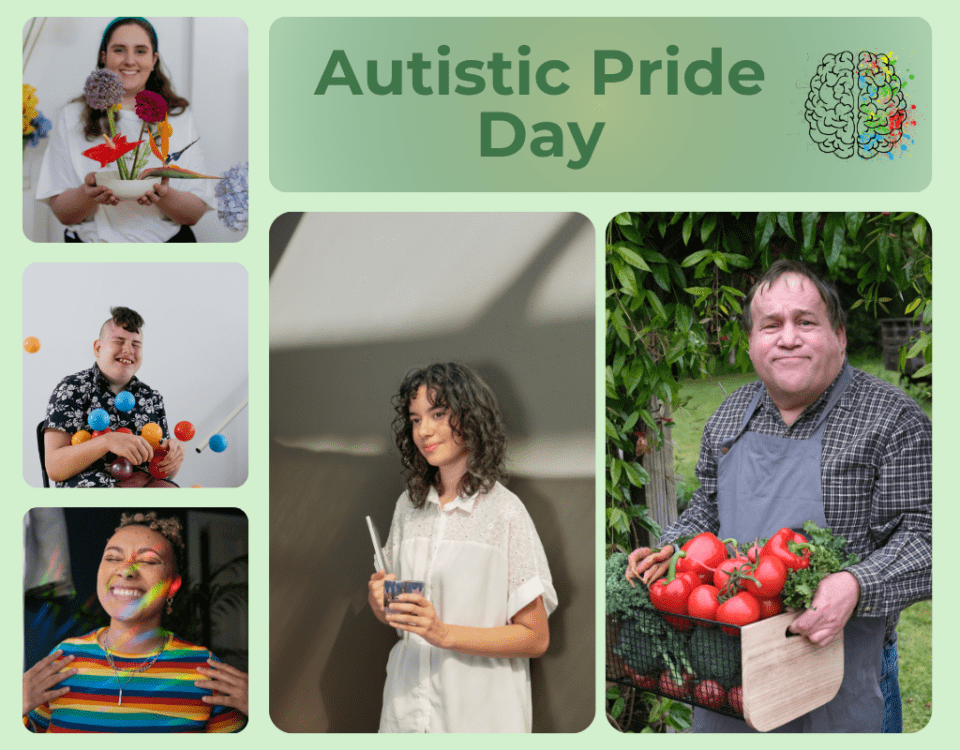
Autistic Pride Day kicked off in 2005 when Aspies For Freedom decided the world could use fewer “deficit” labels and more common sense. It’s now observed every June 18 as a celebration of neurodiversity, not a “how to fix people” workshop.
The day pushes for real inclusion in schools, workplaces, and society—not just awareness campaigns that stop at posters. It is less about sympathy and more about systems that actually work. Instead of forcing autistic people to blend in like background characters, the idea is simple: give support, remove barriers, and let people actually live, work, and thrive without unnecessary drama.
Organizations That Moved From Intent to Action
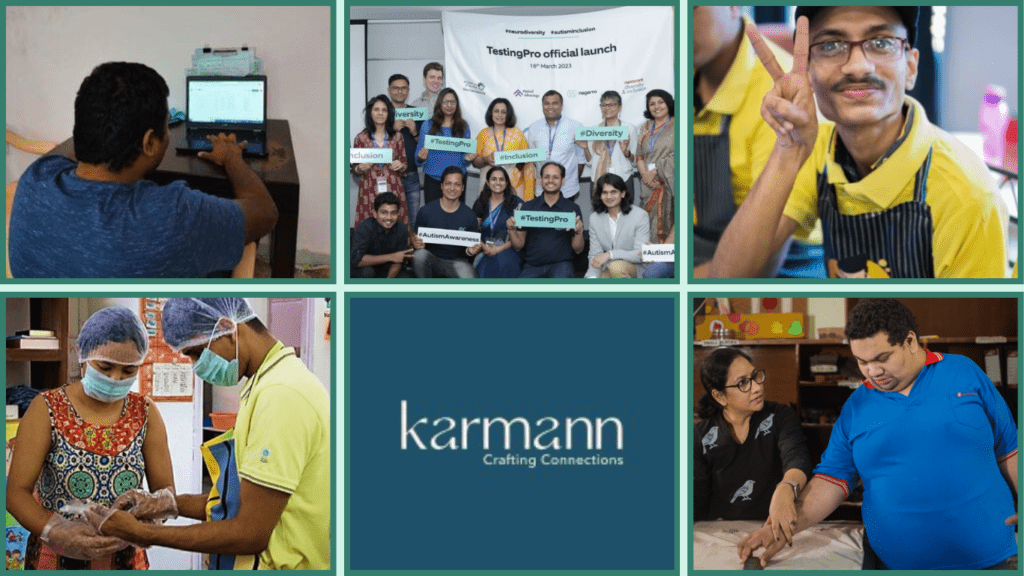
Awareness campaigns look great on social media, but they don’t fix a broken system. True progress happens when companies replace the corporate talk with a job offer. And this is where things get real. Here’re companies that stopped talking about inclusion and actually opened the door to neurodivergent hiring.
Redili
Founded by a super-mom who gets it (her son is autistic too), this Bangalore-based org does things differently. At Redili, they train young autistic adults for months in real-world skills like data entry, packaging, and graphics, and then give them actual employment. Not internship crumbs — full-time jobs with sensory-friendly desks, titles, and paychecks, proving that true inclusion comes with a salary account, not a supportive hashtag.
Nagarro
Nagarro launched TestingPro in India, teaming up with Action for Autism, Atypical Advantage, and Nasscom. It’s a program that trains autistic individuals to become software testers — because their attention to detail is often off the charts. Nagarro handles the training and certifications, while partners manage sourcing and placements. No sympathy, just real opportunities. And honestly? That’s how inclusion should always look.
Opportunity Café
The Opportunity café in Kolkata is run by differently-abled young adults, including those with autism and Down syndrome. They chop veggies, brew coffee, serve burgers, and they’re running the show like absolute bosses. The menu politely asks for patience since they’re still training — fair enough. But here’s the best part: they refuse tips. Your appreciation and kind words are what truly matter to them. That’s what makes this place so special. Because everyone deserves a seat at the table — and maybe a good cup of coffee too.
Auspice Condiments
A for-profit social enterprise called Auspice Condiments, based in Ghaziabad, makes 55 varieties of spices, herbs, and seasonings — all crafted by autistic individuals. The entire process — cleaning, sorting, grinding, packaging, and labeling — is carried out by these incredibly talented individuals under the careful supervision of qualified caregivers. By placing social impact at the very core of their business, they’re proving that everyone can make a difference.
Hastha Foundation
Chennai’s Hastha Foundation trains adults with autism in hand block printing — a craft that’s structured, creative, and tactile, making it a perfect fit for their strengths. The artisans receive monthly salaries, not stipends, ensuring they’re not just learning skills but earning a sustainable and dignified livelihood. This nonprofit has already sold over 1,000 products, and every rupee of funding goes back into expanding their facilities. That’s what real inclusion looks like.
Karmann
Karmann offers conscious home décor and lifestyle products, all handcrafted by artisans with intellectual limitations, using sustainably sourced materials and thoughtful packaging. Trained in appliqué, patchwork, embroidery, and quilting, these skilled individuals infuse love into every stitch. Founded by Sudhir Shenoy, who’s dedicated to building self-sufficient communities for persons with IDD, Down Syndrome, and Autism, Karmann reminds us that a stitch is never just a stitch — it’s livelihood, purpose, and pride.
The Next Steps: From Awareness to Action
On this Autistic Pride Day, it’s worth remembering that it isn’t just about celebrating autism. It’s about creating a world where autistic people don’t have to fight so hard for the opportunities everyone else takes for granted. That starts with something simple: a fair chance. A chance to learn, to work, to earn, and to live independently. The organizations on this list are showing what becomes possible when ability is valued over assumptions and inclusion is backed by action.
But real change doesn’t belong to organizations alone. It belongs to all of us—as consumers, employers, colleagues, and communities.
The next challenge isn’t awareness. It’s scale.
If you’re an investor, philanthropist, CSR leader, or business owner, consider backing inclusive employment programs, skills training initiatives, accessible workplaces, and neurodivergent-led enterprises. These investments don’t just create jobs—they create pathways to independence, financial security, and long-term opportunity.
Know an organization creating opportunities for autistic individuals? Share this article and tag them in the comments below. The more stories we discover, the more opportunities we can help bring to light.