Happy World Oceans Day. We Brought Big Trash Bags.
And Apparently a Bulldozer Too.
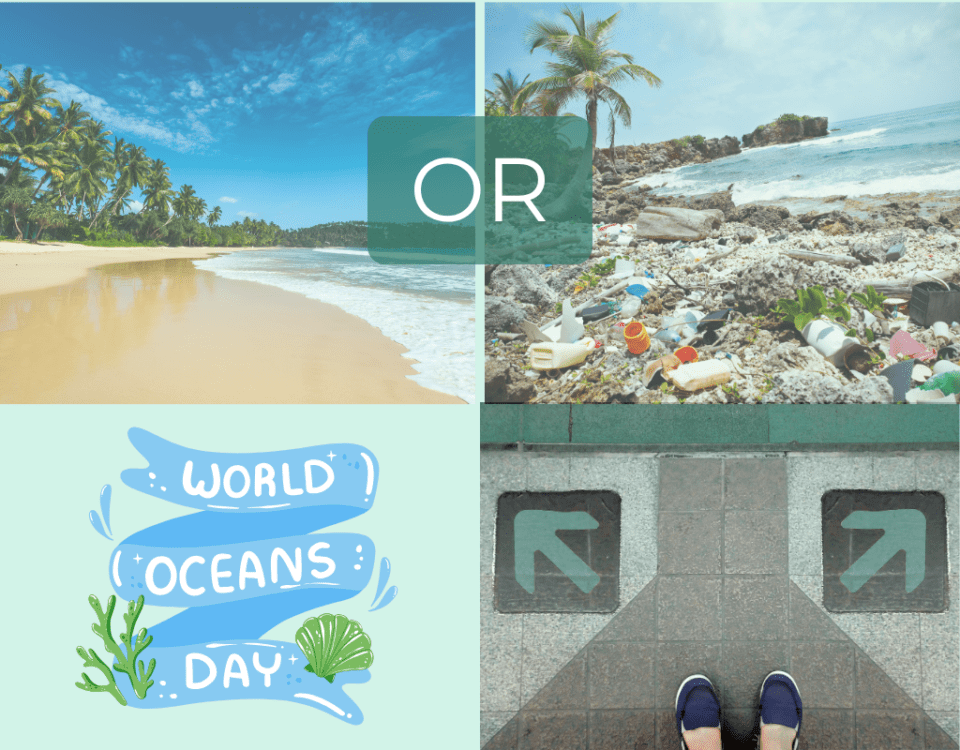
Every year on World Oceans Day, we organise beach clean-ups.
Volunteers arrive armed with gloves, enthusiasm, and enough reusable water bottles to hydrate an entire coastline. We collect plastic, post group photos, and congratulate ourselves for “saving the ocean.”
Which is great.
The ocean definitely doesn’t need more plastic.
But here’s a slightly uncomfortable question:
What if we’re cleaning the ocean with one hand and destroying it with the other?
Because while we celebrate every kilogram of plastic removed from beaches, mangroves, the ecosystems quietly keeping coastal waters alive, continue disappearing around the world.
It’s a bit like vacuuming your living room while setting fire to the kitchen.
Technically, you’re cleaning.
Strategically, there may be some issues.
As we discussed in our earlier exploration of the marine crisis, ocean conservation conversations tend to focus on what is floating in the water. Plastic pollution. Ghost nets. Oil spills. And rightly so.
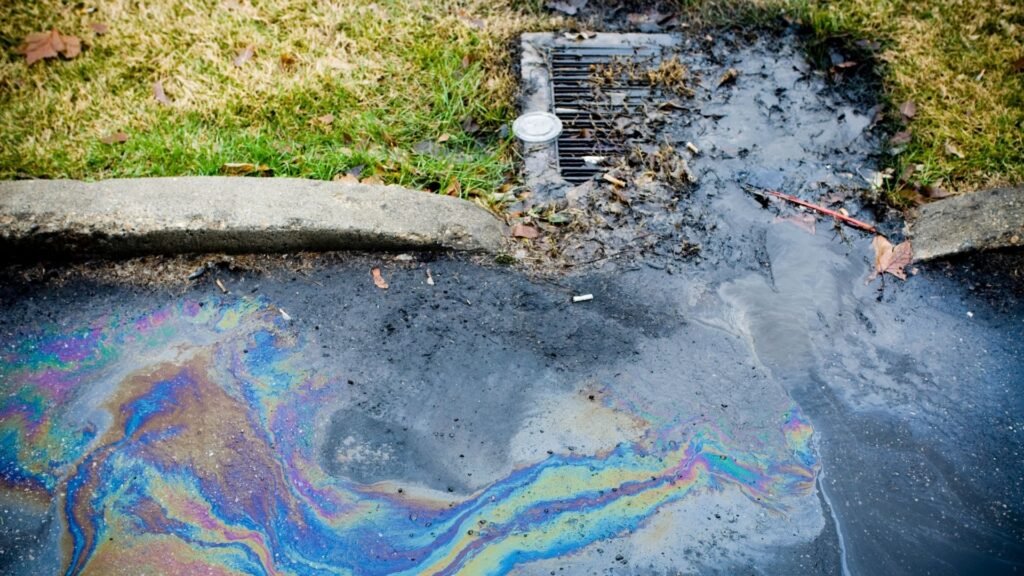
But some of the biggest threats to ocean health are not floating offshore.
They’re rooted along the coastline.
The World’s Most Underrated Ocean Workers
Mangroves suffer from a terrible branding problem.
Whales get documentaries.
Coral reefs get postcards and diving clubs.
Sea turtles get emotional Instagram reels.
Mangroves get ignored.
Which is unfortunate because these tangled coastal forests are doing some of the most important work in the ocean.
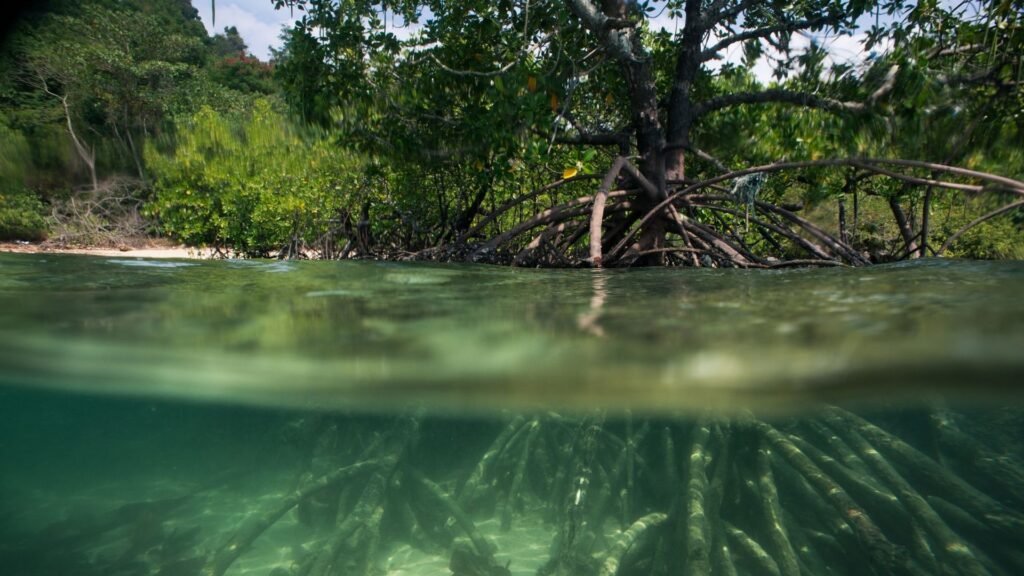
They protect coastlines from storms.
They filter pollutants before they reach marine ecosystems.
They lock away enormous amounts of carbon.
And perhaps most importantly, they function as nurseries for marine life.
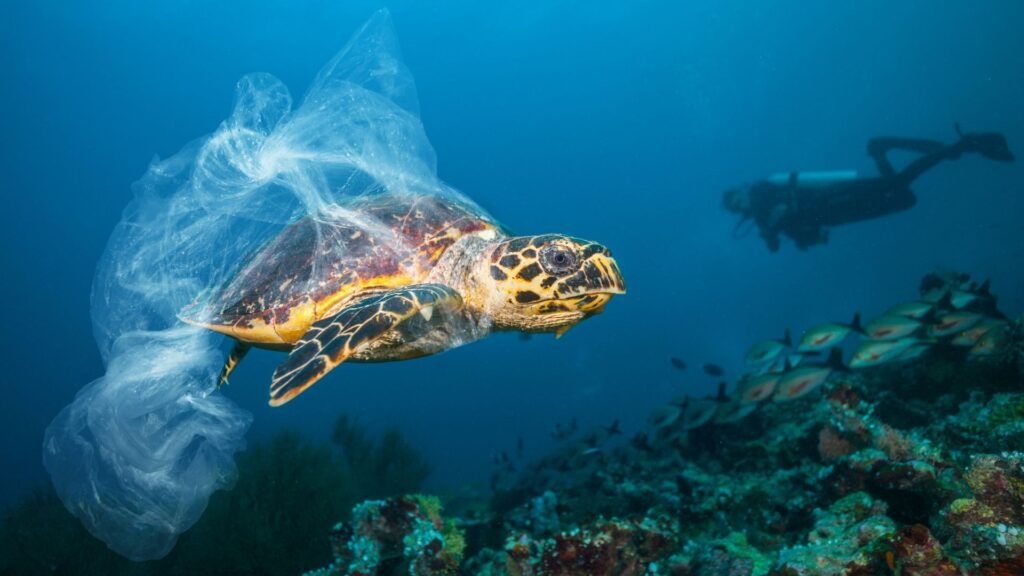
Humanity now produces over 400 million tonnes of plastic annually, and nearly 80% of the waste polluting our oceans is plastic. While much of the conversation focuses on what floats in the water, plastic accumulating along coastlines is quietly suffocating mangroves, one of the ocean’s most important life-support systems.
Read that again!
The fish on your plate may have spent its childhood hiding among mangrove roots.
Not exactly the side character we should be cutting from the story.
Mangroves By The Numbers
Before we continue, here’s a quick reminder of why these muddy forests deserve significantly better public relations:
- Many commercially important fish species depend on mangroves and other coastal ecosystems during part of their life cycle.
- Investments in mangrove conservation are projected to deliver benefits that are nearly four times greater than the associated costs.
- They serve as critical nursery grounds for fish, prawns, crabs, and countless marine species.
- They help protect coastlines from flooding, erosion, and storm surges, safeguarding both communities and infrastructure.
- More than 20% of the world’s mangroves have been lost globally over the past 40 years.
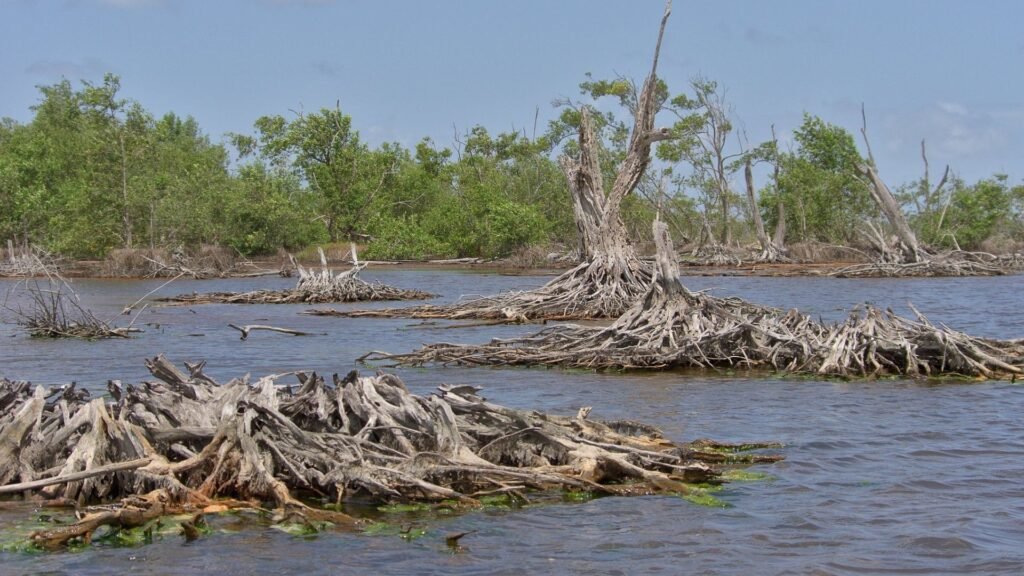
For something that spends its life standing in mud, mangroves are carrying a surprisingly large share of the planet’s workload.
Unfortunately, we’re removing them faster than we’re appreciating them.
The Tourism Plot Twist
Now here’s where things become interesting.
Many coastal destinations market themselves using pristine beaches, thriving biodiversity, colourful marine life, and authentic nature experiences.
At the same time, mangrove ecosystems are often cleared for coastal development, infrastructure projects, and tourism expansion.
The irony is almost poetic.
We build resorts to attract visitors who want nature.
Then remove the ecosystems that made the destination worth visiting.
It’s the environmental equivalent of selling concert tickets after dismantling the stage.
As we’ve often discussed in our conversations around Responsible Travel, sustainability isn’t just about reducing harm while visiting a destination.
It’s about protecting the natural systems that make the destination possible in the first place.
Because “responsible travel” becomes a slightly complicated concept when the destination’s ecological life-support system is being quietly removed behind the brochure photos.
India knows this contradiction particularly well.
From the Sundarbans to the Andaman & Nicobar Islands, mangroves quietly support fisheries, shield coastal communities from cyclones, and sustain biodiversity that millions depend on. Yet many continue to face pressure from development, pollution, and changing land-use patterns.
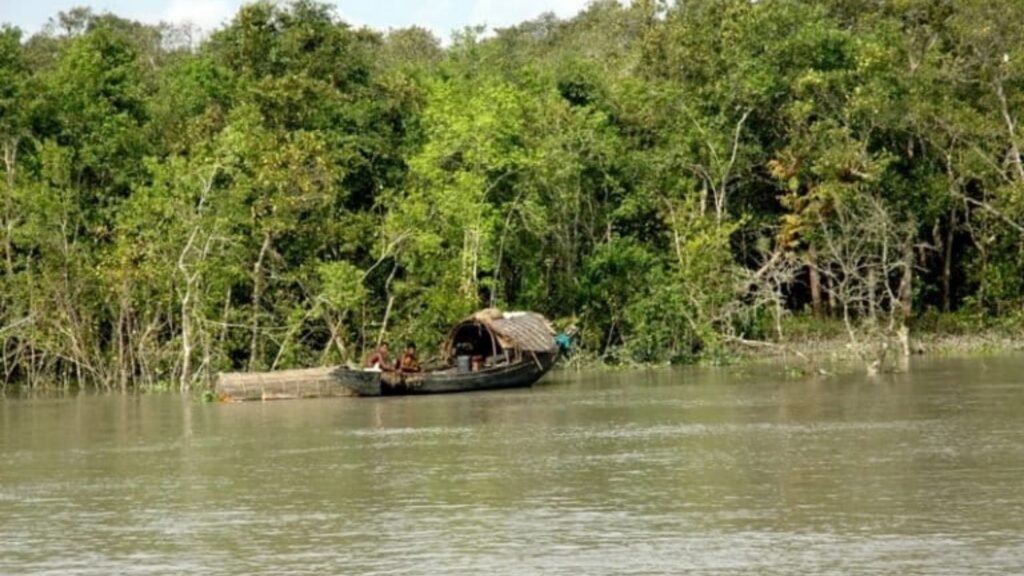
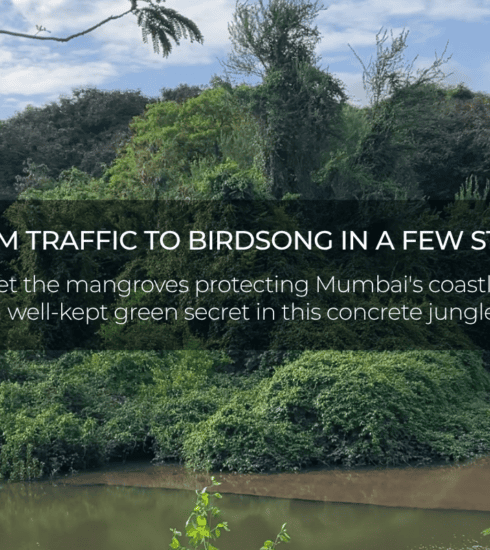
Mumbai’s Coastal Road debate offers a real-world example of this contradiction.
On one side is the need for better infrastructure, smoother connectivity, and a growing city’s legitimate development demands.
On the other are coastal ecosystems, including mangroves, that have spent decades quietly protecting the shoreline, supporting biodiversity, and helping communities withstand flooding and extreme weather.
The challenge isn’t deciding whether cities should develop.
It’s deciding whether development can happen without removing the very ecosystems that help coastal cities survive in the first place.
Because replacing a natural coastal defence system is usually far more expensive than protecting it.
Which raises an uncomfortable question:
If mangroves help create the very landscapes, wildlife experiences, and coastal resilience that attract travellers, shouldn’t protecting them be considered part of the tourism business model rather than a CSR afterthought?
After all, a destination cannot claim to be sustainable while steadily dismantling the ecosystem that makes it worth visiting.
So What Does Saving The Ocean Actually Look Like?
Beach clean-ups matter.
Plastic reduction matters.
Awareness matters.
But healthy oceans begin at the shoreline.
They begin in the ecosystems quietly supporting marine life long before we notice them.
The uncomfortable truth is that we sometimes celebrate cleaning up the symptoms while continuing to remove the systems that keep oceans alive.
A contradiction that feels strangely familiar in sustainability conversations.
What Do You Think?
Have we become so focused on cleaning oceans that we’ve forgotten to protect the ecosystems that keep them alive?
This World Oceans Day, perhaps the question isn’t whether we’re doing enough for the oceans.
It’s whether we’re protecting the places where the ocean begins.