Destroy Mangroves and Love Floods: Mumbai’s Plan Explained
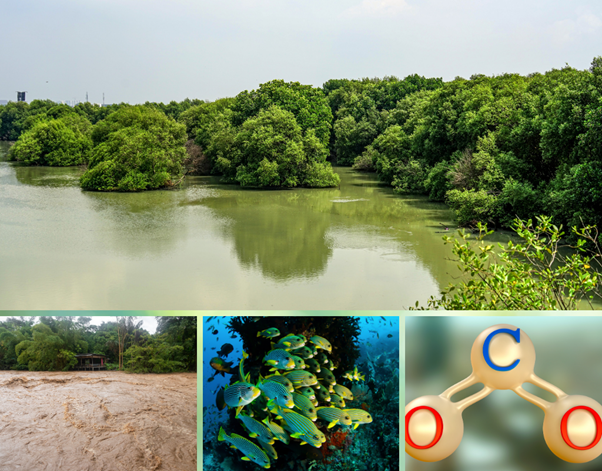
They say time heals everything. But when it comes to mangroves, do we really have that luxury? Chop them down today, and nature doesn’t exactly wait politely — it hits back with floods, biodiversity loss, vanishing habitats, and all sorts of ecological chaos. So, while we’re busy building roads and reshaping the city for convenience, the planet’s quietly reminding us that we can’t outsource environmental wisdom. One reckless move, and the consequences aren’t coming… they’re already knocking.
In a recent decision, the Bombay High Court has approved the cutting of over 45,000 mangroves along Manori Creek for the Versova–Dahisar coastal road, with the BMC set to carry out the removal amid protests from environmentalists, activists, and concerned citizens.
Mangrove Loss: What’s Really at Stake
Imagine removing tens of thousands of mangroves just because they “don’t fit the blueprint.” It might look like nothing more than trees on a map, but the consequences stretch far beyond the drawing board. Here’s the thing: these mangroves aren’t just scenery—there’s a lot at stake if they disappear.
Risk 1 – Looming Floods
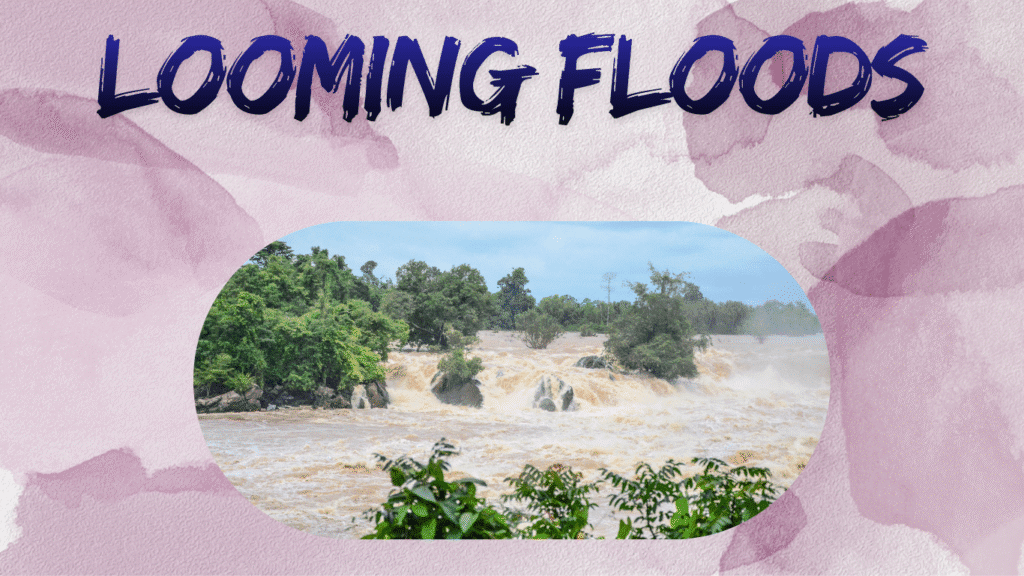
You might walk past mangroves without a second thought—but beneath their calm green canopies lies a tangle of roots doing a job most of us forget: keeping floods at bay. Knotted in water, these roots slow tides, hold the soil in place, and act as nature’s shock absorbers. According to Blue Forests, if mangroves disappeared, an extra 15 million people worldwide could face flooding every year. In short, losing them isn’t just about trees vanishing—it’s millions of lives and communities suddenly left exposed.
Risk 2 – Vanishing Habitats & Wildlife
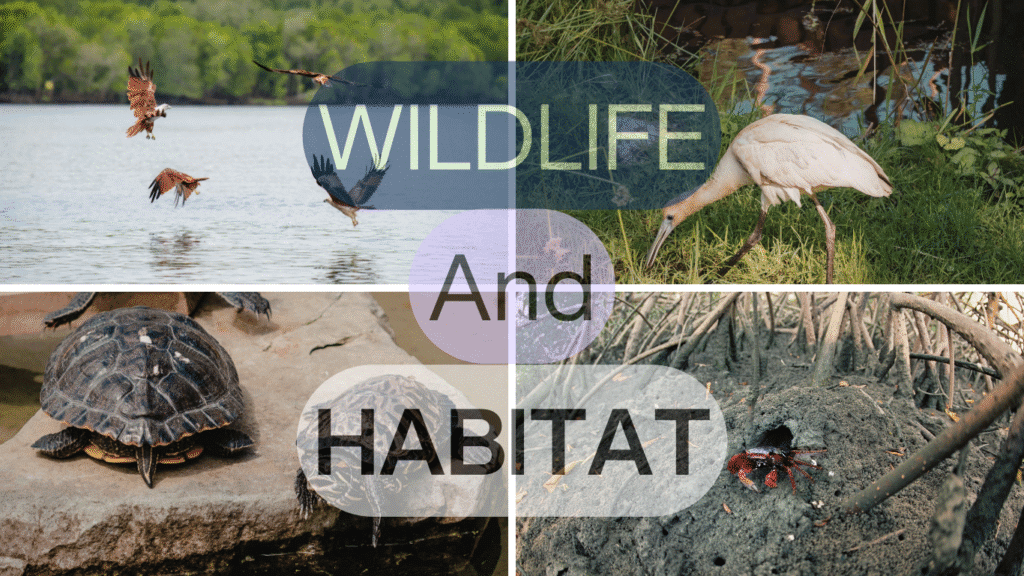
We often miss what mangroves really are. They’re home to around 1,533 species of fish, birds, crabs, and insects. Clear them out, and countless animals lose both food and shelter, setting off ripple effects that disrupt the entire coastal ecosystem. Losing mangroves isn’t just about trees disappearing—it’s about a coast growing quieter, emptier, and far less alive.
Risk 3 – Emissions on the Rise
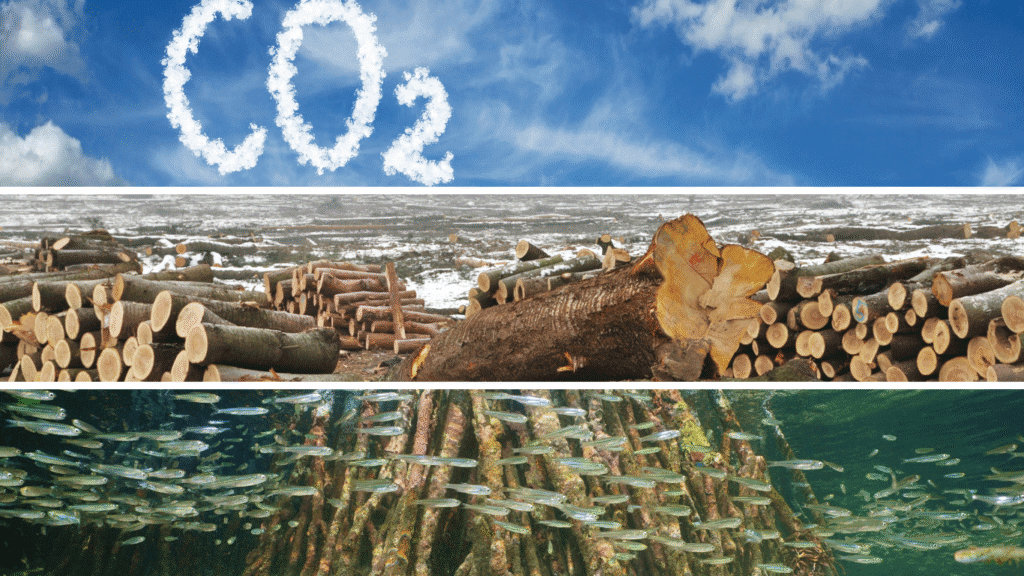
Mangroves are carbon vaults, and destroying them is a climate heist. When you cut them down, you’re not just removing trees—you’re unlocking decades, even centuries, of stored carbon. That carbon doesn’t disappear politely; it escapes straight into the atmosphere. So, if you’re wondering why climate change keeps accelerating, this is part of the answer. In fact, mangrove loss in Indonesia alone has released vast carbon stores, weakening vital blue-carbon sequestration in coastal soils.
New Mangroves and The Illusion of Plantation
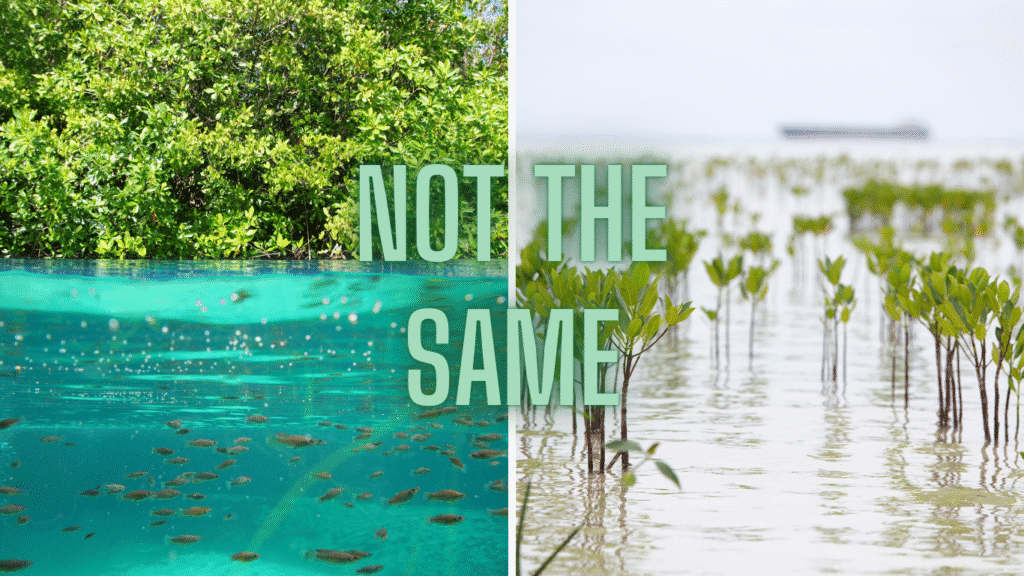
As part of the Versova–Dahisar coastal road project, the BMC plans to plant over 1.3 lakh mangrove saplings, about three times the number being cut, in districts like Palghar and Thane—far from where the original mangroves currently stand.
At first glance, the fix seems reasonable: cut mangroves here, plant them elsewhere. But it’s worth asking what replacement really means. Can new plantations compensate for the loss of established ecosystems? Do the new locations face the same challenges? And how long can we afford to wait for mangroves to grow into the role they’re expected to play?
These concerns aren’t just questions on paper—they’re why people are speaking up. Citizens and activists are protesting the Versova–Bhayandar coastal road plan, which threatens around 45,000 mangroves. Local fisherfolk warn that both ecosystems and livelihoods are at risk, while hundreds of Mumbaikars have petitioned the chief minister, the BMC, and other authorities to protect the mangroves and reconsider the project. Human chain protests and social media campaigns are amplifying the call for action, urging officials to rethink the plan and actually safeguard the city’s mangroves.
All of this raises a bigger question: are we truly building a future that’s sustainable—for nature, communities, and the generations to come?
The Future We Leave Behind

The future isn’t a distant idea—it’s being shaped right now by the choices we make. Do we want the next generation to inherit stronger coastlines and healthier ecosystems, or the consequences of decisions made for short-term convenience? It’s a hard question, but it’s one we can’t ignore.
Here’s what you can do: raise your voice, share this with your circle, and support campaigns working to protect mangroves. Even small actions can make a big difference. Stop the mangrove massacre before it’s too late.
If you’re wondering where to start, here are a few organisations already doing the hard work on the ground:
- WTI’s Kannur Kandal Project: a community-driven initiative safeguarding 37+ acres of mangroves and bringing 30+ acres back to life in Kerala.
- Conservation Action Trust (CAT): safeguarding Maharashtra’s mangroves through research, advocacy, and legal action, backed by India’s first Mangrove and Wetland Centre.
- Global Mangrove Alliance: a global network working together to protect mangroves, restore damaged coastlines, and help these ecosystems thrive for people, wildlife, and the planet.
References:
- https://www.hindustantimes.com/cities/mumbai-news/stop-this-destructive-car-centric-development-101766344718564.html?
- https://india.mongabay.com/2026/01/the-environmental-costs-of-replacing-mangroves-with-a-road/?
- https://www.hindustantimes.com/cities/mumbai-news/1500-citizens-urge-cm-bmc-to-halt-axing-of-45k-mangroves-for-coastal-road-101769023674330.html
- https://www.instagram.com/p/DSWgUiWjaD4/?utm_source=ig_web_copy_link&igsh=MzRlODBiNWFlZA%3D%3D&img_index=1