Why The World Needs Rainforests: The Value of Lost Ecosystems
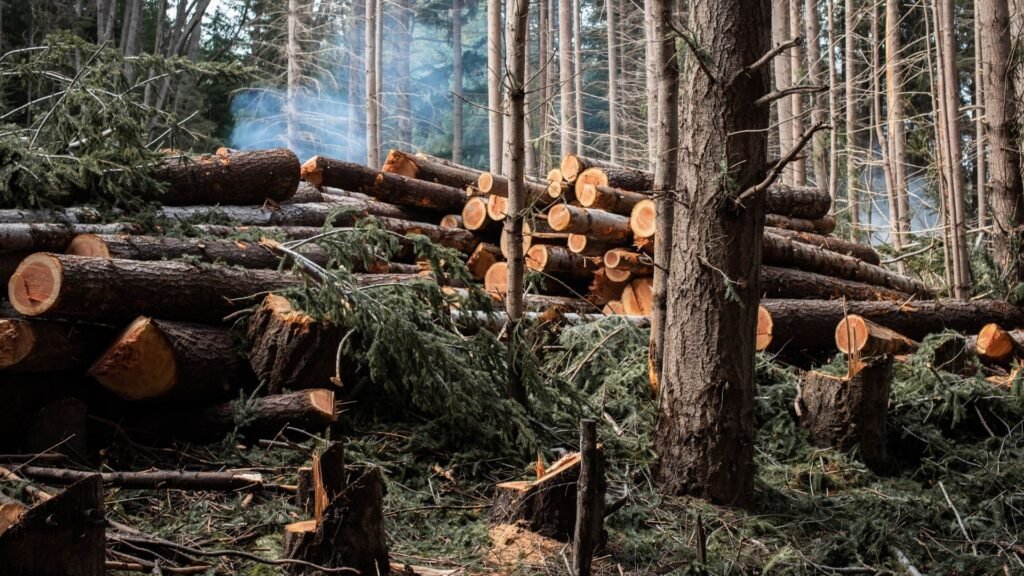
We Bought Air Purifiers. Then We Started Cutting Down The Planet’s Original One. Humanity has created an entire industry dedicated to helping people breathe cleaner air. We have air purifiers, oxygen bars/cylinders, anti-pollution masks, and wellness influencers explaining the importance of “connecting with nature” from luxury resorts. At the same time, we’re steadily destroying some of the largest natural air filtration systems on Earth.
We almost have to admire the commitment to contradiction. Every year, millions of hectares of rainforest disappear across the globe. Ecosystems that took thousands of years to evolve are cleared in no time, often in the name of urban development, expansion, or short-term profits.
Which raises an uncomfortable question.
How did humanity become so obsessed with solving environmental problems while simultaneously destroying some of the most effective environmental solutions ever created?
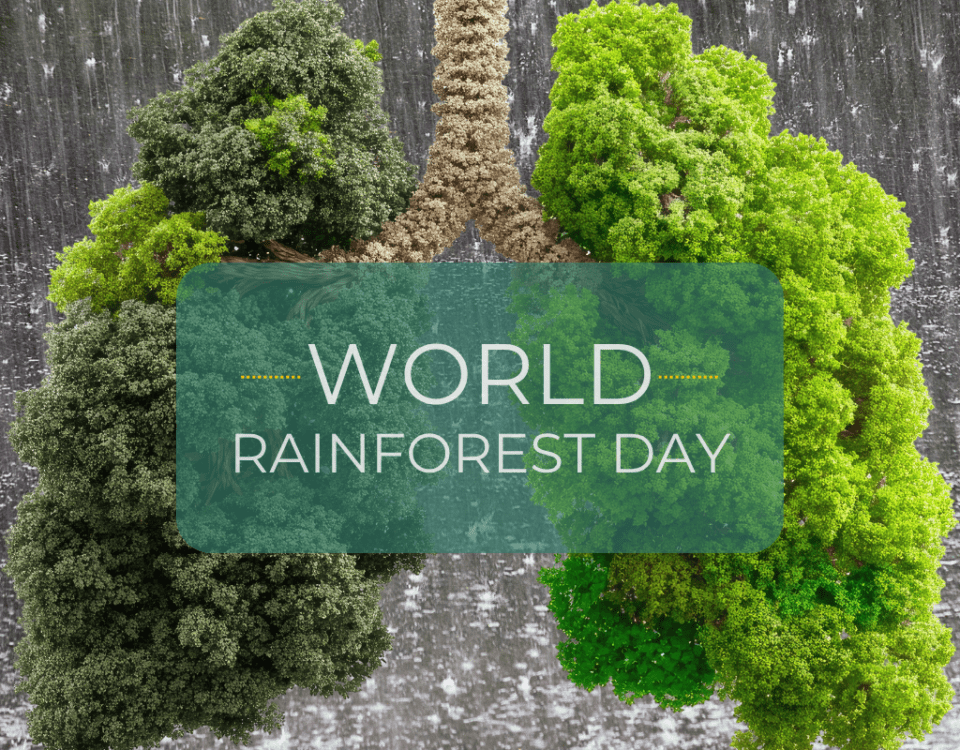
And then we celebrate World Rainforest Day!
The annual reminder that the lungs of our planet are working overtime while we continue treating them like optional necessities.
Rainforests: The World’s Most Underappreciated Overachievers
Every workplace has that one employee who somehow keeps everything running. They’re solving problems nobody notices, covering for multiple departments, and preventing complete chaos while receiving very little credit.
Rainforests are essentially that employee.
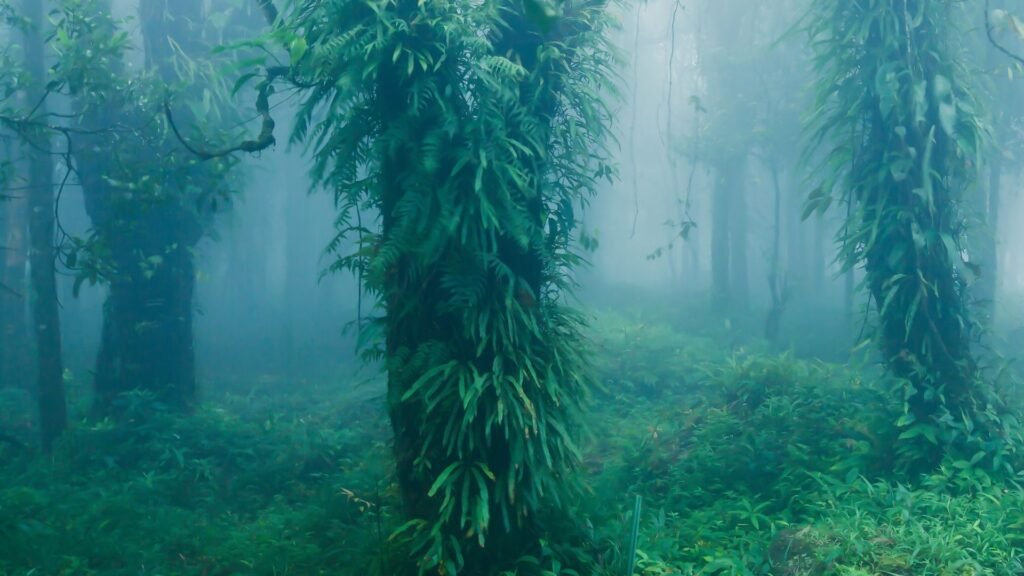
They cover around 6% of the Earth’s land surface, yet support more than half of all terrestrial species. They absorb carbon dioxide, regulate rainfall, stabilize temperatures, support indigenous communities, and provide resources that have contributed to life-saving medicines.
Not bad for something that occasionally gets described as “unused land.”
Somewhere, a rainforest is helping regulate the climate while a boardroom presentation is explaining why cutting it down makes financial sense.
Nature must find us exhausting.
The Amazon: The Planet’s Air Conditioner Is Overheating
When people hear “Amazon” today, many think of online shopping.
Nature would like a word!!
The Amazon Rainforest is one of the most important climate regulators on Earth. It generates enormous amounts of atmospheric moisture, influences rainfall patterns across continents, and helps cool the planet naturally.
Unfortunately, humanity looked at this highly sophisticated climate machine and collectively decided it would be an excellent location for large-scale deforestation, cattle ranching, mining, and agricultural expansion.
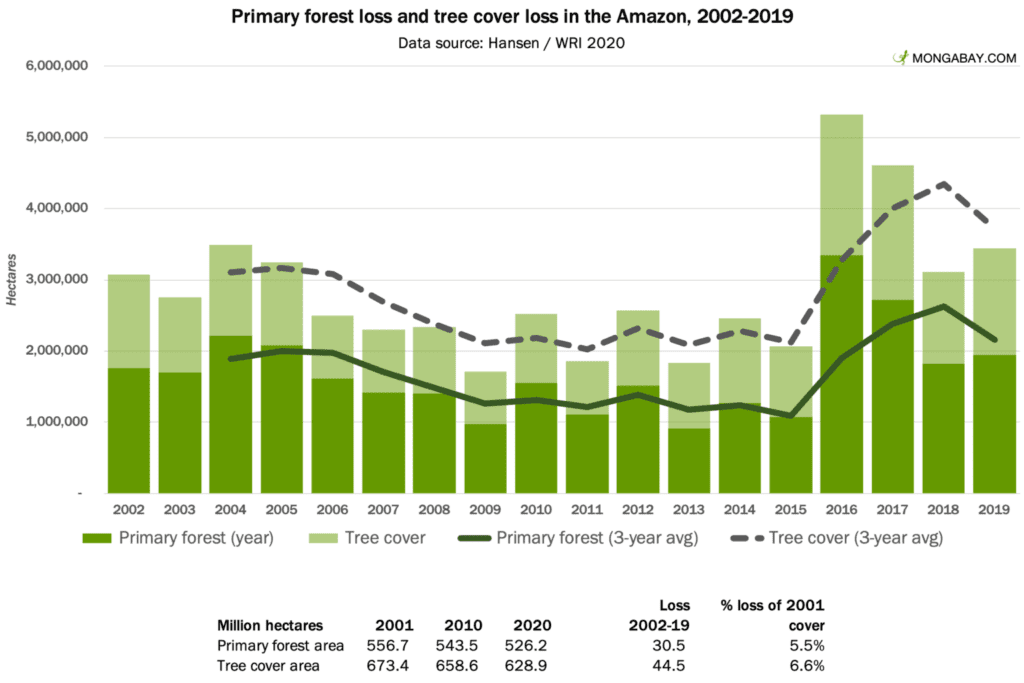
Source: earth.org
Recent years have witnessed alarming levels of forest loss and devastating wildfires across parts of the Amazon. For a species worried about rising temperatures, setting sections of its natural cooling system on fire feels like a surprisingly bold strategy.
Borneo’s Orangutans Were Not Consulted
Thousands of kilometres away, the rainforests of Borneo tell a similar story. Large areas have been transformed into industrial plantations, particularly for palm oil production, leaving wildlife with shrinking habitats and fragmented ecosystems.
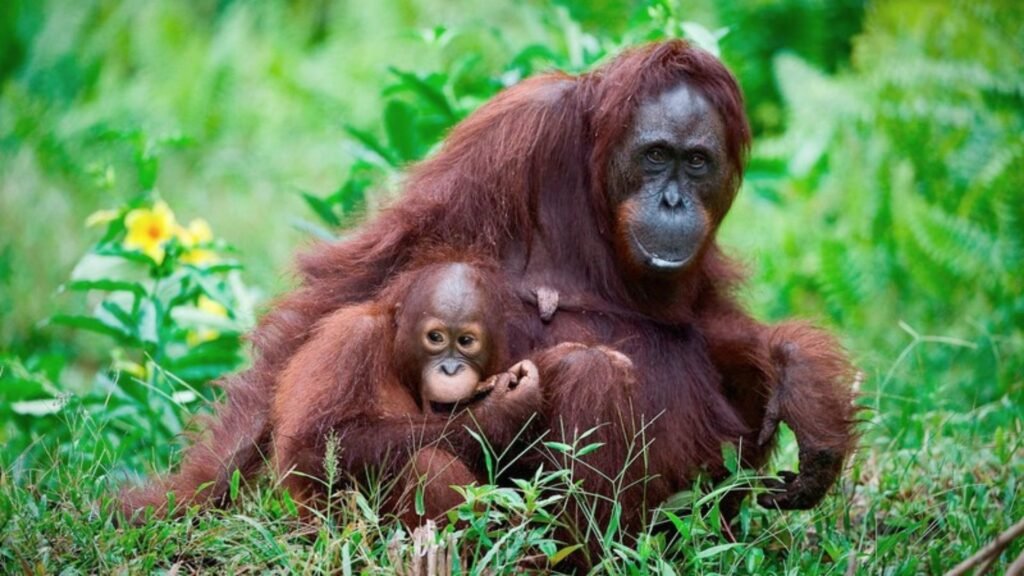
Species such as orangutans have seen their homes disappear over time, forcing them into increasingly isolated forest patches.
Imagine waking up one morning to discover your neighbourhood had been replaced by a parking lot.
Now imagine it happening repeatedly for decades.
That has effectively been their rainforest experience.
Western Ghats Rainforests in India: Crisis Under the Canopy
The Western Ghats are basically India’s biodiversity overachiever. Stretching 1,500 km along the western coast, these mountains are home to over 5,000 flowering plants, 139 mammals, 500+ birds, 288 freshwater fish, and 179 amphibians. No wonder UNESCO gave them World Heritage Site status in 2012.
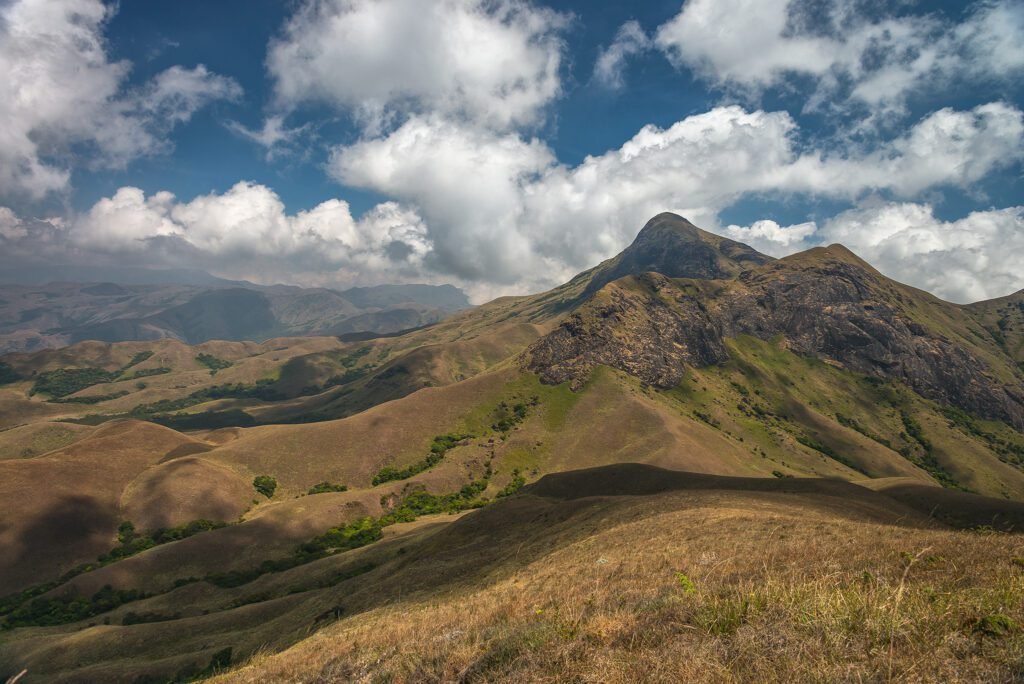
A view of the Anaimudi peak from the Naikolli Mala ridge
Source: By Mdmadhu – Own work, CC BY-SA 4.0
But while the Ghats are busy supporting wildlife, they’re also supporting millions of people across Gujarat, Maharashtra, Goa, Karnataka, Kerala, and Tamil Nadu. And that’s where things get complicated. Mining, polluting industries, coal-based power plants, and large construction projects have started putting this fragile ecosystem under pressure. To protect it, parts of the region are being proposed as Eco-Sensitive Areas (ESAs), where such activities would be restricted, making room for conservation and more sustainable development.
Five Things That Disappear When A Rainforest Disappears
Over the course of the last century, 15 to 20% of the world’s rainforests have been cut down, with another 10% having been degraded. In 2024, 6.7 hectares of primary rainforest were lost, which equates to about 18 football fields worth of rainforest being lost every minute.
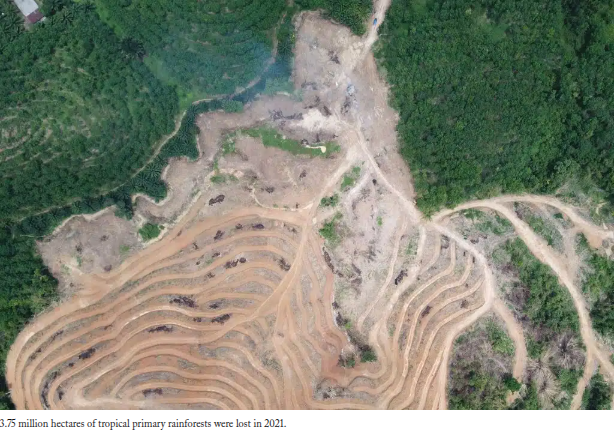
Source: earth.org
When a rainforest disappears, we don’t just lose trees. We lose:
- Wildlife habitats that took centuries to develop. Tropical rainforests may host anywhere from 3 to 50 million species.
- Carbon storage systems that help slow global warming. Tropical rainforests contain 50 percent of the world’s carbon stored in trees.
- Natural rainfall regulation that supports agriculture and water security. The Amazon alone creates 50-80 percent of its own rainfall through transpiration.
- Medicinal plant species, many of which haven’t even been fully studied yet. Around 25% of modern prescription drugs are obtained from plants in rainforests.
- Entire ecosystems and indigenous knowledge systems that simply cannot be recreated elsewhere. Over 30 million people live in the Amazon, the largest rainforest in the world, including 350 indigenous groups that have cultural ties to the rainforest and rely on it for food and shelter.
It’s a bit like dismantling an aircraft mid-flight because some of the parts look valuable individually.
The accounting department may be impressed. Physics usually isn’t.
Sustainability Isn’t A Trend. It’s Damage Control.
Somewhere along the way, sustainability became a marketing buzzword. It appears on packaging, advertisements, annual reports, and social media posts. Sometimes it feels less like a commitment and more like a design aesthetic.
But rainforests remind us what sustainability actually means.
It means protecting the systems that make life possible.
The air we breathe, the water we drink, the food we grow, and the climate stability we depend upon are all connected to healthy ecosystems. Rainforest conservation isn’t an environmental charity.
It’s self-preservation.
Just with considerably worse branding.
World Rainforest Day: We Know What Matters. Now We Act Like It Does.
The science settled this debate years ago.
Rainforests matter.
The real question is whether we are willing to act like they matter.
Because future generations are unlikely to remember how many sustainability campaigns we launched or how many climate pledges were announced. They will care about something much simpler.
Were the forests still standing?
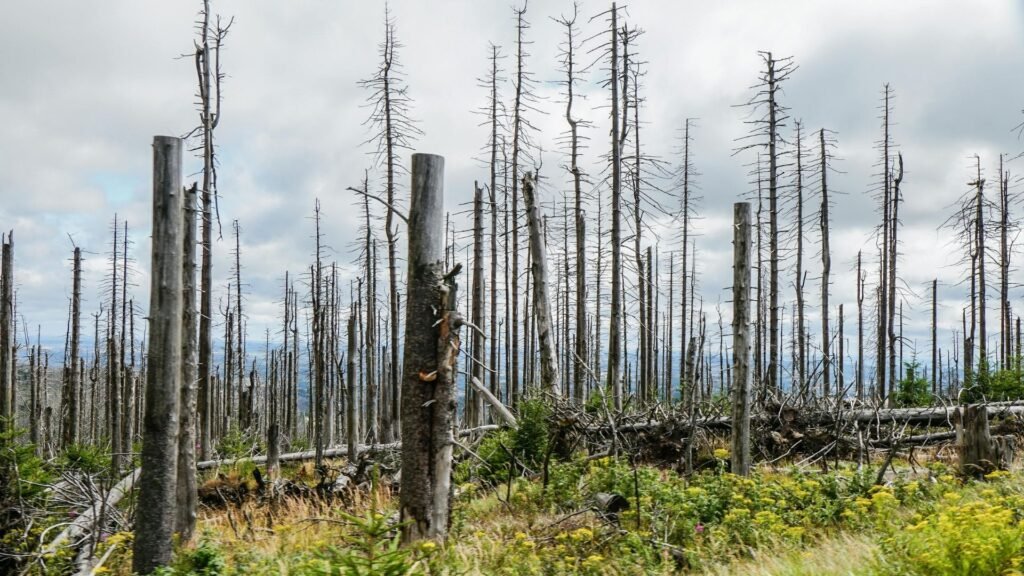
This World Rainforest Day, choose responsibly sourced products, reduce waste, support conservation initiatives, and back businesses that prioritize sustainability over shortcuts.
Most importantly, remember that rainforests are not some distant environmental issue happening somewhere else.
They are part of the life-support system keeping this entire planet operational.
And life-support systems generally deserve more attention than a once-a-year awareness post.
What Do You Think?
Have we become so focused on creating solutions to environmental problems that we’ve started ignoring the ecosystems that were solving many of them already?
And if rainforests had a performance review for humanity this year, what rating do you think we’d receive?
References:
- https://www.earthday.org/rainforest-quiz/
- https://whc.unesco.org/en/list/1342/
- https://www.visitsealife.com/london/conservation/breed-rescue-protect/rainforest-and-mangroves/
- https://www.weforum.org/stories/2025/05/tropical-forest-loss-2024-nature-climate-news/
- https://www.earthday.org/honoring-indigenous-peoples-and-local-communities-on-world-rainforest-day/
- https://worldrainforests.com/03-diversity-of-rainforests.html
- https://gfr.wri.org/biodiversity-ecological-services-indicators/forest-carbon-stocks
- https://worldrainforests.com/0906.htm
- https://earth.org/rainforest-facts/