Plastic-Free July: Extra Points For Really Understanding The Assignment
Consumers control the final five minutes of a product’s journey. Businesses influence almost everything before it. Sustainability doesn’t begin at the checkout counter. It begins at the drawing board.
Plastic-Free July has become one of sustainability’s favourite annual campaigns.
Reusable bottles make their comeback. Cloth bags are proudly carried into supermarkets. Metal straws suddenly become dinner table celebrities. Someone refuses a plastic spoon at a café and feels like they’ve done their bit for the planet.
Meanwhile, somewhere in the background, another truckload of plastic packaging quietly rolls out of a factory.
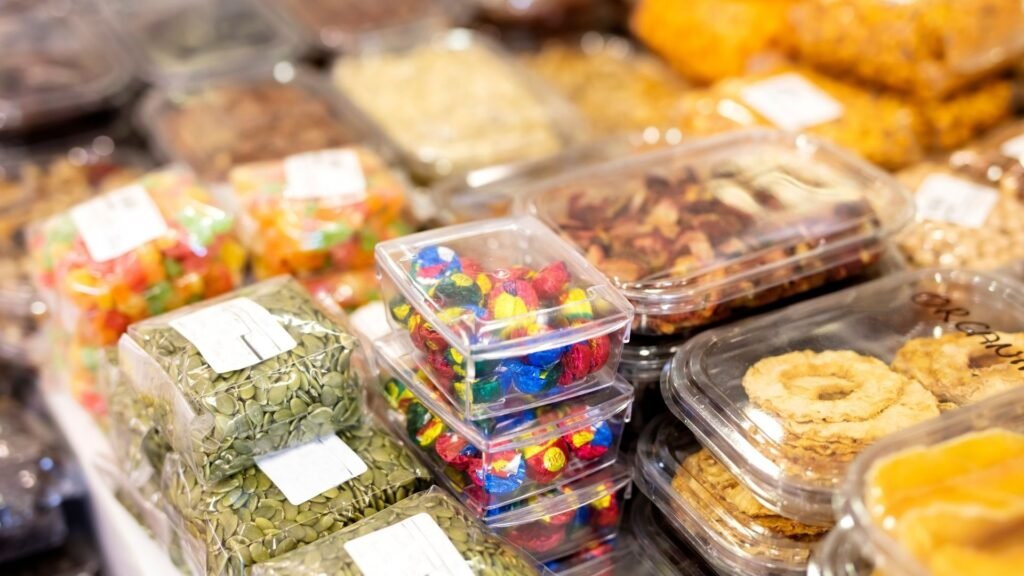
An online order still arrives wrapped in enough plastic to survive a cyclone. A supermarket still shrink-wraps vegetables that already come with perfectly good natural packaging. FMCG shelves continue displaying products inside layers of plastic designed to last for decades, yet are discarded in minutes.
The contradiction is impossible to ignore.
Consumers are trying to solve a problem that often began long before they entered the supermarket.
Necessary? Absolutely.
Enough? Not even close.
The Plastic Problem Doesn’t Begin In Your Home
Every year, the world produces more than 430 million tonnes of plastic, yet less than 9% of it is recycled globally. The rest is landfilled, burned, leaked into ecosystems, or simply mismanaged.
Which raises a slightly uncomfortable question:
Why does solving plastic pollution feel like homework assigned almost entirely to consumers?
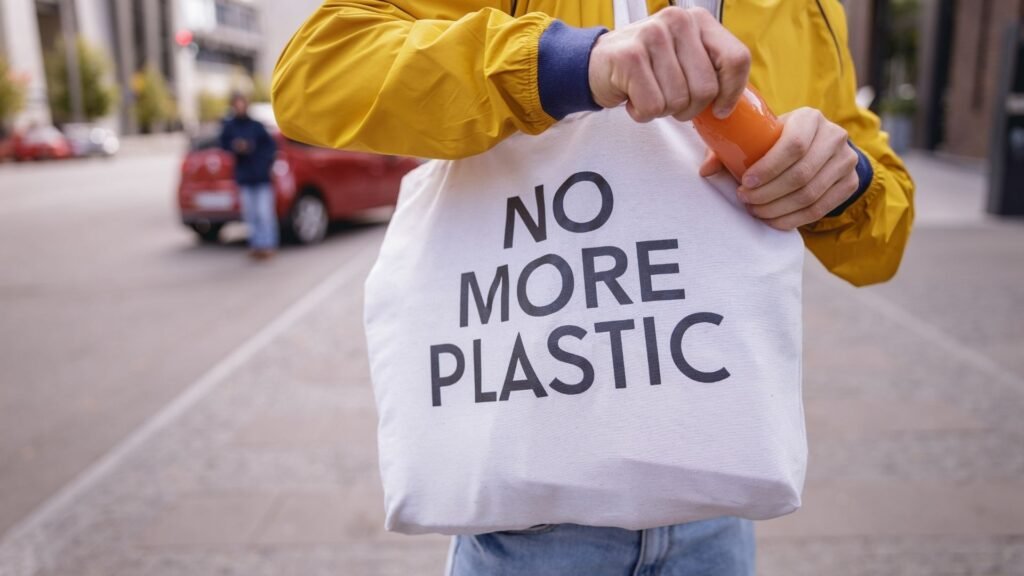
Because by the time someone refuses a plastic bag at checkout, dozens of decisions have already been made.
• What material will be used to make the packaging,
• whether it can actually be recycled,
• whether three layers of wrapping are really necessary,
• whether refill packs even exist, and
• whether the product was designed for convenience or circularity.
Consumers control the final five minutes of a product’s journey.
Businesses influence almost everything before it.
Plastic Isn’t The Whole Problem
Disposable thinking is.
Plastic has transformed healthcare, protected food, improved logistics, and reduced transportation emissions through lightweight packaging.
Plastic has undeniable benefits. The problem lies in how we’ve designed many of its applications. We’ve normalised using a material built to last for centuries for products that are often discarded within minutes.
A delivery wrapper.
A shopping bag.
A sachet.
A disposable spoon.
Materials with extraordinary durability.
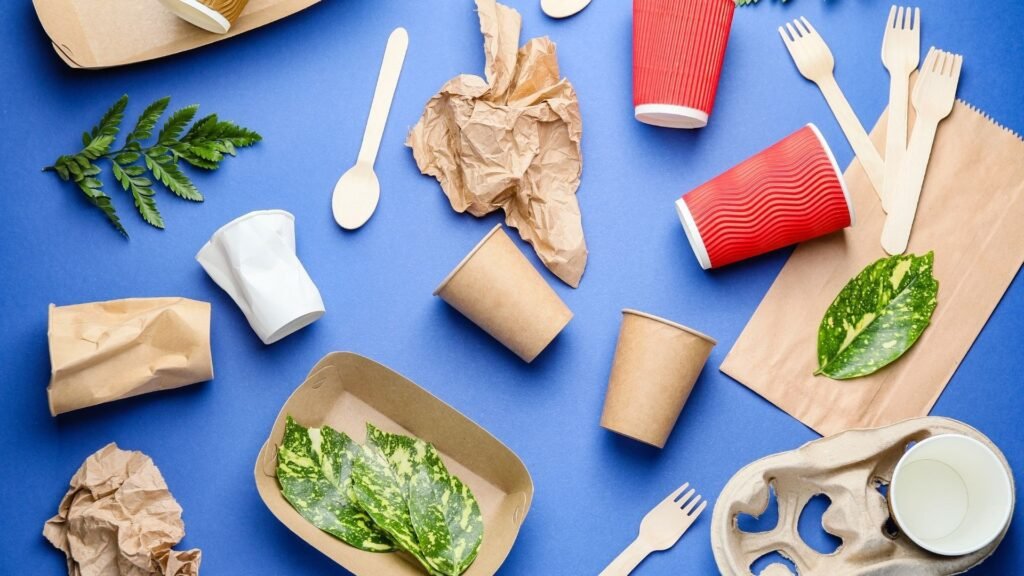
Applications with astonishingly short careers. That’s less of a plastic problem and more of a design problem.
The mismatch isn’t just about plastic—it’s about design. Durable materials are too often paired with disposable systems.
Fortunately, Businesses Are Beginning to Redesign the System
The good news is that a growing number of Indian businesses are proving sustainability doesn’t have to stop at an annual report.
Some are redesigning packaging.
Others are eliminating unnecessary plastic entirely.
A few are completely rethinking how products reach consumers.
- Bare Necessities focuses on refill systems and low-waste products that prevent waste before it’s created.
- Beco replaces many conventional plastic-heavy household products with biodegradable and plant-based alternatives.
- ReCircle works with businesses to recover and process post-consumer waste, keeping materials in circulation instead of landfills.
- ReCharkha transforms discarded plastic into handcrafted products while creating sustainable livelihoods for women artisans.
- Without® gives difficult-to-recycle plastic waste a second life through premium lifestyle products.
Notice something interesting?
None of these organisations claim plastic magically disappears.
They’re redesigning the system instead.
Different approaches. One shared idea: redesign the system instead of expecting consumers to solve it alone.
The Real Sustainability Champions Rarely Trend
While consumers debate reusable cutlery and companies publish glossy ESG reports, another workforce quietly keeps India’s recycling ecosystem alive every single day.
Waste pickers.
Kabadiwalas.
Recycling cooperatives.
Community organisations.
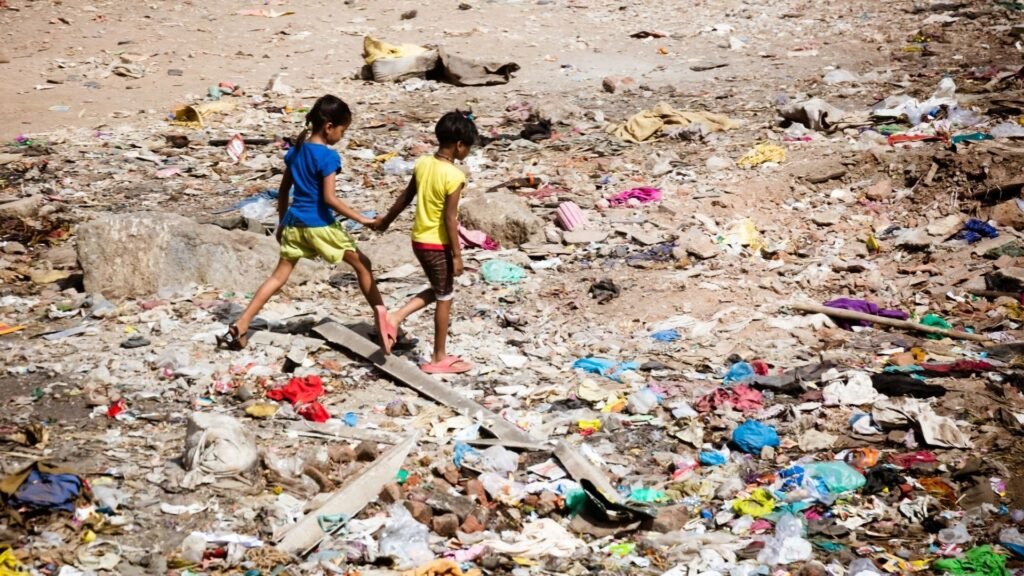
And increasingly, communities that choose to become part of the solution.
We’ve seen this firsthand through Green Pistachio’s Sorting Out Mumbai 2.0, where residents, housekeeping staff and experts came together to rethink waste segregation. The biggest takeaway wasn’t just better information—it was collective participation.
That’s what circularity looks like in practice. Not just better infrastructure, but better participation.
Across India, organisations like SWaCH Pune and Hasiru Dala continue to strengthen recycling ecosystems every day, while initiatives such as Sorting Out Mumbai demonstrate how awareness and community action can improve segregation long before waste reaches a landfill.
Imagine if more housing societies, schools and workplaces made these conversations part of everyday life. Better segregation at source means cleaner recycling streams, higher material recovery, and significantly less waste ending up in landfills.
Because the circular economy isn’t something we’re waiting to build.
It’s something communities are already creating, one neighbourhood at a time.
Plastic Free July Was Never About One Month
Perhaps the biggest misunderstanding about Plastic Free July is its name. The goal was never to survive thirty-one days without touching plastic.
The goal was to ask the right questions.
- Can this package be reused?
- Can this product be refilled?
- Can businesses design better before asking consumers to consume better?
Sustainability doesn’t begin at the checkout counter. It begins at the drawing board.
Final Thought
Carrying a reusable bottle matters. Choosing products with responsible packaging matters. Supporting businesses investing in circularity matters.
But lasting change happens long before a product reaches the consumer. It begins when businesses design for circularity, governments create enabling policies, communities strengthen recovery systems, and consumers reward better choices.
Plastic Free July isn’t just about avoiding plastic for one month. It’s about rethinking the systems that produce—and dispose of—it.
A circular economy isn’t built at the end of a product’s life. It begins at the very conception of its design.
The Question We’ll Leave You With
What role should businesses, policymakers and consumers each play in building a truly circular economy?