
Community Eco-Tourism: The One Authentic Travel Hack That We Need
Let’s be honest.
A lot of “eco-tourism” today feels like regular tourism wearing a khadi kurta.You land in a luxury jungle resort. Someone hands you a bamboo straw. The towel says “Save The Planet.” Meanwhile, the local community, the people who actually belong to that land, are standing outside the tourism economy like unpaid background actors.
Profitable? Yes. Sustainable? Not really.
But community-run eco-tourism? That’s different.
That’s where the magic happens.
Not the brochure magic. The real stuff.
The kind where local communities become hosts, protectors, storytellers, guides, cooks, conservationists, and most importantly, decision makers.
Because responsible travel is not about “escaping into nature.”
It’s about finally learning how not to behave like a walking environmental hazard with a DSLR.
Responsible Travel Starts When Locals Stop Being Invisible
The best travel experiences don’t come from infinity pools.
They come from conversations over woodfire meals, forest walks led by people who know every bird call by memory, and villages that protect ecosystems better than most governments ever have.
Community-based eco-tourism flips the tourism model on its head:
- Locals own the experience
- Revenue stays within the community
- Culture isn’t “performed” it’s lived
- Nature isn’t exploited it’s protected
And surprisingly? Tourists love it.
Because people are tired of fake “local experiences” curated by hotel chains named after trees.
A report on community-based eco-tourism highlighted how local homestay initiatives directly improved livelihoods while strengthening wildlife conservation and sustainable practices.
India’s Grassroots Eco-Tourism Heroes Deserve Way More Hype
Not your average “look-a-tiger-and-leave” setup.
This initiative works closely with local communities in the Sundarbans, creating livelihoods through eco-guiding, local employment, and conservation awareness. Here, mangroves are not “Instagram aesthetics.” They are survival systems.
And honestly? The locals know more about climate resilience than half the people speaking at sustainability conferences.
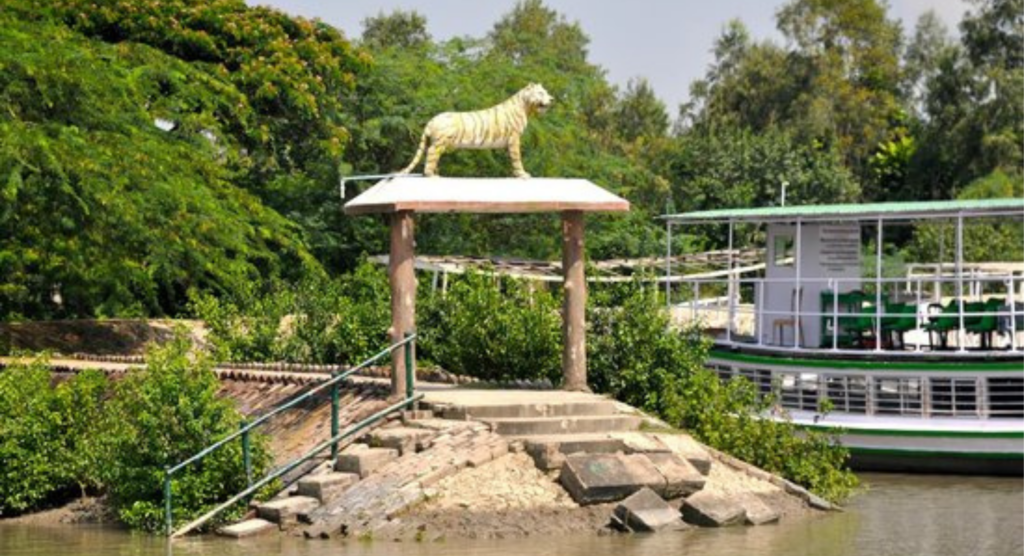
Source: Tripadvisor
Now THIS is what responsible travel looks like.
A social enterprise that works with local Himalayan communities through homestays, conservation programs, waste management, and renewable energy initiatives.
Translation?
Tourism that doesn’t arrive, consume, and disappear like an entitled guest at a wedding buffet.
Spiti Ecosphere proves that tourism can fund education, create jobs, preserve culture, and still give travellers the “mountain peace” they came looking for.
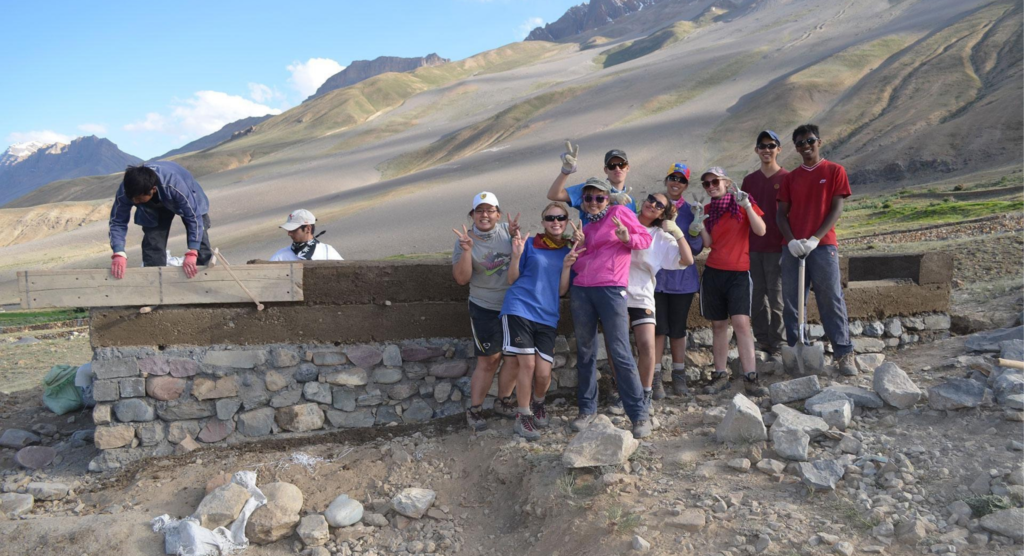
Source: Spiti Ecosphere
Sustainable living isn’t just about holidays. Some people are literally building their lives around it.
Read more on: Eco-Friendly Homes Blog
Kerala said, “What if tourism actually benefited villagers?” and Kabani answered.
This initiative connects travellers directly with indigenous and rural communities through immersive stays and experiences. The people hosting you are not “service staff.” They are partners in the tourism economy.
Which means your money doesn’t disappear into a luxury chain’s quarterly profits. It goes back into local homes, local food, local livelihoods, and local ecosystems.
Imagine that.
Tourism where the locals actually win too.
Wild concept, right?
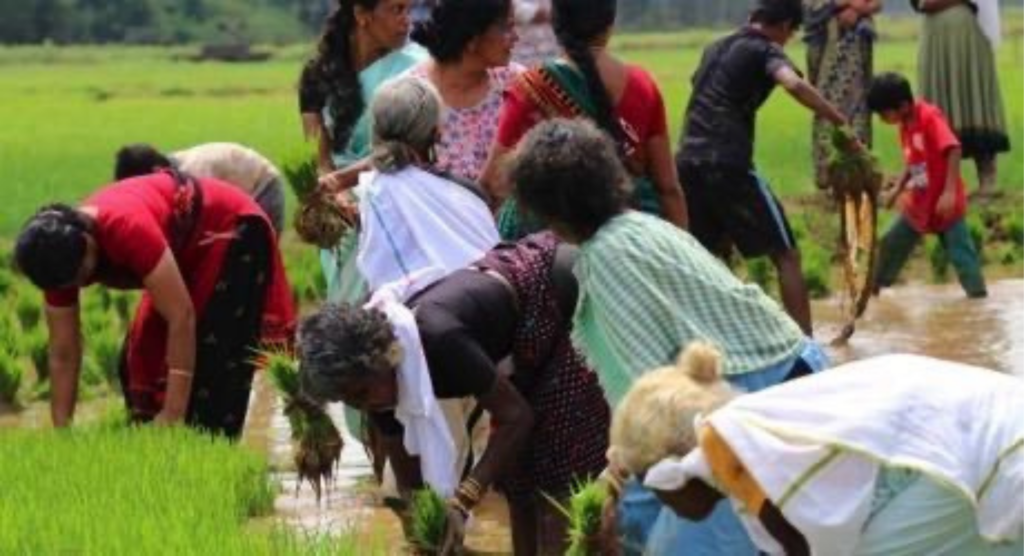
Source: World Nomads
Eco-Tourism Isn’t Charity. It’s Common Sense.
When local communities earn from forests, rivers, wildlife, and culture, they protect them harder.
Simple.
Community-led eco-tourism has shown that conservation works best when locals benefit directly from preserving ecosystems and heritage.
Because nobody protects a forest better than the people whose lives depend on it.
Meanwhile, mass tourism often behaves like:
- Overcrowding
- Plastic waste
- Resource exploitation
- Cultural commodification
But sure. The resort planted three succulents, so we’re calling it sustainable.
Travellers Need to Stop Collecting Places Like Pokémon Cards
Here’s the uncomfortable truth:
Travel is not automatically “woke” just because you carried a metal bottle to the airport.
Responsible travel means asking:
- Who profits from this trip?
- Who gets displaced?
- Who cleans up after tourists leave?
- Is this helping the local ecosystem or exhausting it?
If your vacation leaves locals underpaid and landscapes overused, congratulations, you didn’t “explore.” You extracted.
Final Boarding Call
Community-run eco-tourism is not a “travel trend.”
It’s probably the only version of tourism that still has a future.
Because the next generation of travellers doesn’t just want luxury.
They want meaning. Accountability. Stories that don’t come packaged in resort brochures.
And maybe, just maybe, it’s time we stopped treating local communities like supporting characters in their own land.
The future of travel should belong to the people who protect the places we travel to.