Crossing Planetary Limits: A Warning That We Must Act Now
Every year, we celebrate Earth Day, World Environment Day, World Oceans Day, World Wildlife Day, Plastic Free July, and a growing list of environmental awareness days. Our feeds fill up with beautifully designed creatives, thoughtful captions, and conversations about protecting the planet. It looks good, it feels responsible, and then we all move on. The planet, unfortunately, does not. Perhaps it’s time to ask whether awareness is the goal—or merely the starting point.
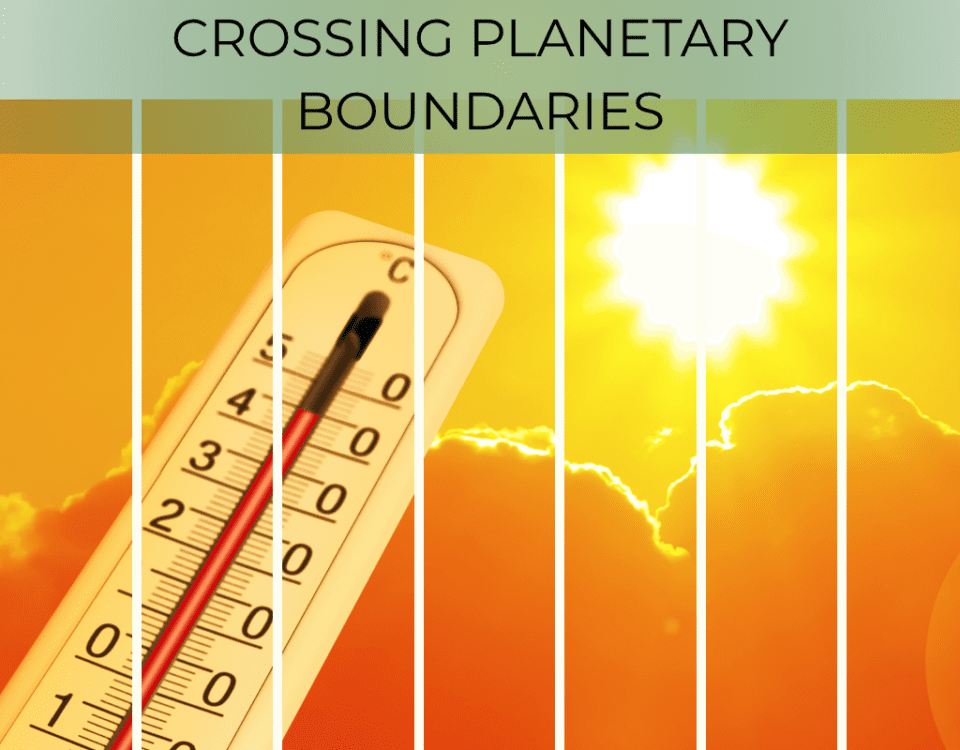
In 2025, scientific data confirmed something that should have been a proper wake-up call. Seven out of nine planetary boundaries have already been crossed.
Not approached. Not “almost there.” Crossed.
These boundaries define the safe operating space for humanity, which means we are now operating outside the zone that keeps Earth systems stable enough for us to function comfortably.
What Exactly Did We Cross? Quite a Lot, Actually.
The planetary boundaries framework is essentially the planet’s operating manual. It tells us how far we can push natural systems before things start getting unpredictable. As of 2025, we have managed to exceed most of these limits.
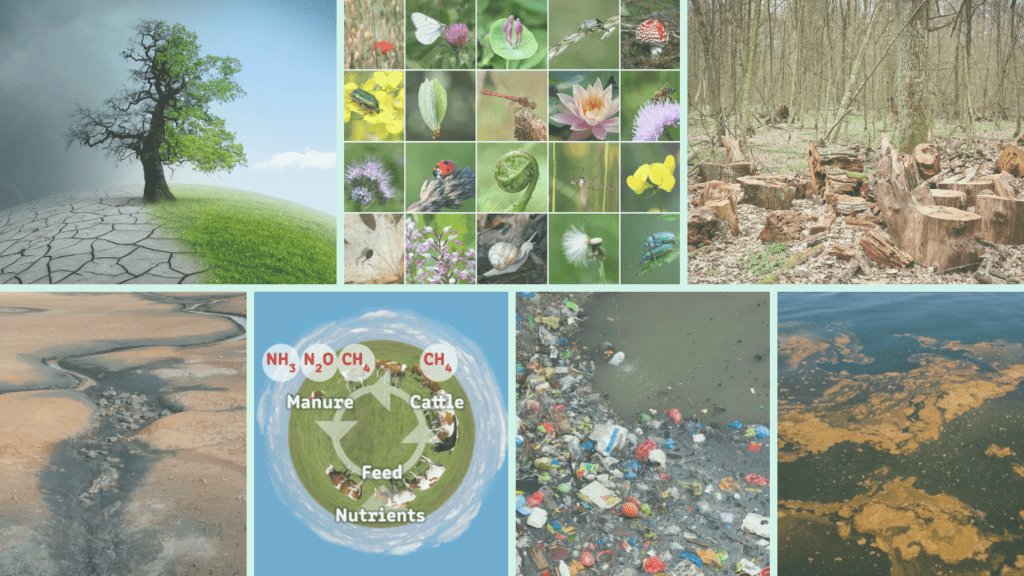
Here’re 7 Planetary boundaries that were breached:
- Climate Change, with carbon dioxide levels crossing 420 ppm, well beyond the safe 350 ppm threshold
- Biosphere Integrity, where biodiversity loss is happening at nearly ten times the safe rate
- Land System Change driven by deforestation and aggressive land use
- Freshwater Change affecting both groundwater systems and soil moisture cycles
- Biogeochemical Flows due to excessive nitrogen and phosphorus usage in agriculture, wastewater treatment systems, livestock farming, aquaculture, and industrial processes
- Novel Entities including plastics, chemicals, and synthetic materials accumulating beyond safe levels
- Ocean Acidification Caused by increased carbon absorption by oceans due to emissions from fossil fuels, transportation, energy generation, industrial production, cement manufacturing, and deforestation
The remaining two, aerosol loading and ozone depletion, are still within global limits. FOR NOW. Which is not exactly reassuring, considering our track record.
NOW Is Not Just Another “Save the Planet” Moment
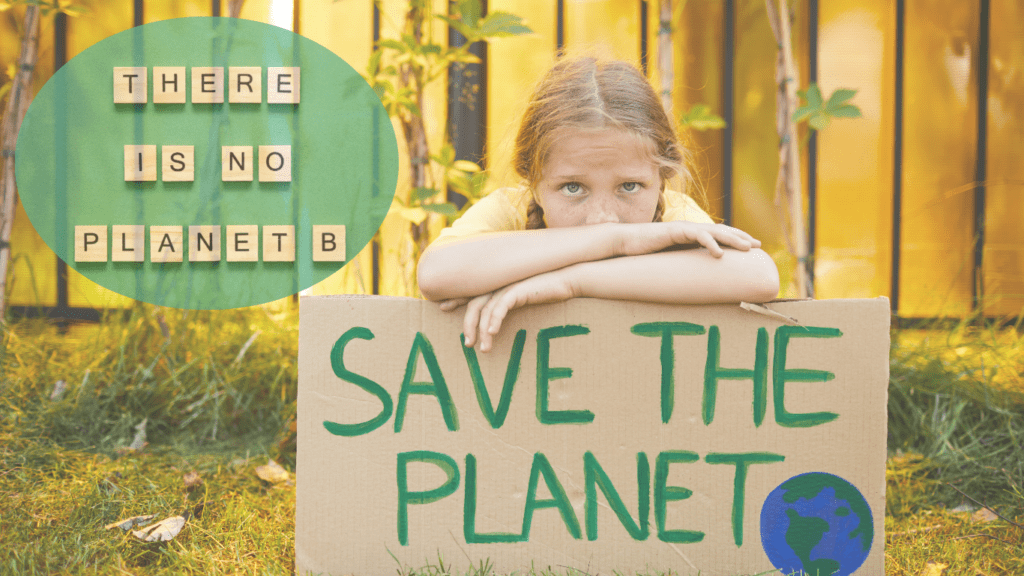
The planet is not about to collapse overnight. It will adjust. It always has. The uncomfortable part is that those adjustments may not work in our favour.
Crossing these boundaries reduces the system’s ability to recover. Damage becomes harder to reverse, and interactions between systems become more unpredictable. Deforestation affects climate, climate affects water, water affects agriculture, and agriculture feeds directly into human survival. It is one interconnected system, and right now, that system is being stretched.
This did not happen because of one big mistake.
It happened because of many small decisions that felt completely normal at the time.
Convenience over consideration, speed over sustainability, and a consistent habit of not thinking about what happens after something is used have quietly built this reality.
So where do planetary boundaries meet everyday life? The answer is probably closer than you think.
The choices we make every day—what we eat, buy, wear, and how we travel, manage waste, use energy, consume water—may seem personal, but when multiplied across millions of people, they shape entire industries and become powerful drivers of environmental change.
Meanwhile, Some Corporates Are Actually Doing the Work
While many corporates are still refining their planet-friendly messaging, a few are quietly making decisions that matter.
- Dell Technologies – Dell used 95+ million pounds of recycled and renewable materials in its products in 2024, showing how circularity can be built into mainstream electronics.
- Interface – The flooring company launched one of the world’s first carbon-negative carpet tiles, proving that manufacturing can reduce, not just offset, emissions.
- Maersk – Maersk is introducing dual-fuel methanol-powered ships and scaling the use of alternative fuels, demonstrating how even hard-to-abate industries can begin reducing their carbon footprint.
- Natura & Co – Rather than treating biodiversity as a CSR project, Natura has built it into its business model—working with 45 Amazonian communities to source ingredients sustainably while helping protect more than 2.2 million hectares of forest.
These are not dramatic overnight transformations. They are the result of treating sustainability as a business priority rather than a once-a-year conversation.
So Where Do Businesses Actually Fit Into This?
Right at the centre of it.
Sustainability is not something that exists outside business operations. It is shaped by them. Material choices, packaging decisions, supply chains, waste generation, and disposal systems all contribute to environmental pressure. Every decision either adds to the problem or helps reduce it.
Sustainability is slowly moving from being a side initiative to becoming part of core strategy, not because it sounds good, but because it is becoming necessary.
Maybe This Year, We Do More Than Post
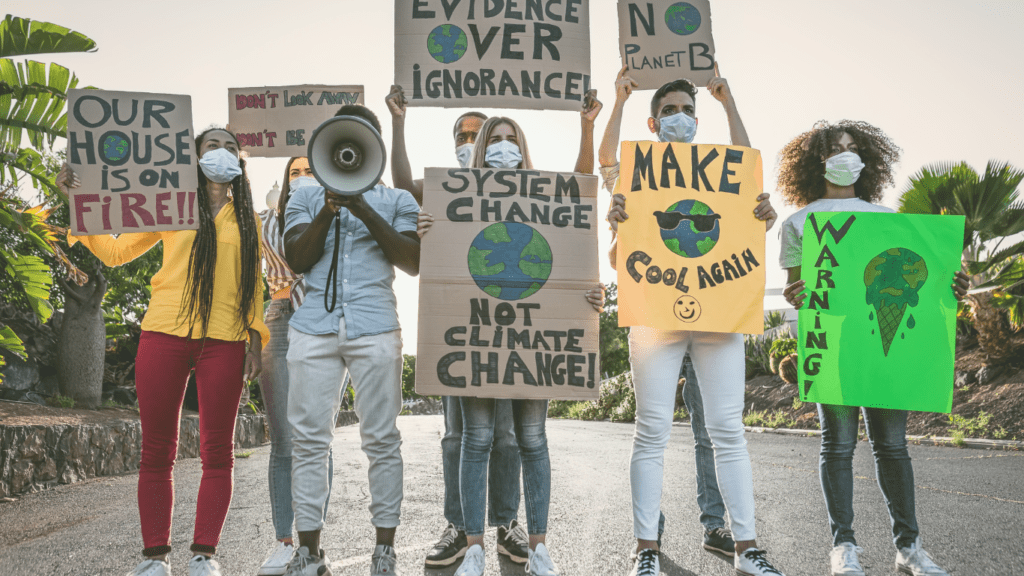
At this point, awareness is not the issue. We have the data, the reports, and more than enough evidence about what’s happening to the planet. The real question is far more direct: What part of your lifestyle, business, or system is adding pressure on the planet, and what are you actually doing to change it?
At Green Pistachio, we help organisations move beyond good intentions and create measurable environmental impact. Whether it’s climate action programs for schools and corporates, waste management solutions, responsible disposal systems, or sustainability-focused CSR initiatives, we help turn sustainability goals into meaningful action.
Connect with us to build initiatives that deliver real outcomes.
Because right now, the planet does not need more awareness. It needs action that lasts longer than a social media post.