Luxurious, Beautiful Handloom: The OG Hack for Sustainability
“Quiet luxury” arrived. “Slow fashion” became fashionable. Luxury houses suddenly began speaking the language of craftsmanship as though they’d discovered a revolutionary idea.
India, meanwhile, carried on weaving.
Long before sustainability reports, carbon footprint calculators and conscious consumerism became marketing vocabulary, handloom communities across the country had already figured it out.
Funnily, they weren’t trying to save the planet! They were simply making fabric the only way they knew how: patiently, manually and with remarkable skill.
Today, the world is catching up. Luxury fashion increasingly celebrates craftsmanship, provenance and limited production. Indian textiles have found their way into global wardrobes, museums and luxury collaborations.
Dior showcased Indian embroidery through Mumbai’s Chanakya ateliers, while brands across Europe continue drawing inspiration from India’s weaving and textile heritage. Yet the loudest applause often reaches the runway long before it reaches the villages where these traditions continue to survive every single day.

That irony deserves more attention than another viral fashion reel.
As India celebrates National Handloom Day on August 7, the spotlight belongs less on the global fascination with handcrafted fashion and more on the communities that quietly kept it alive long before it became aspirational.
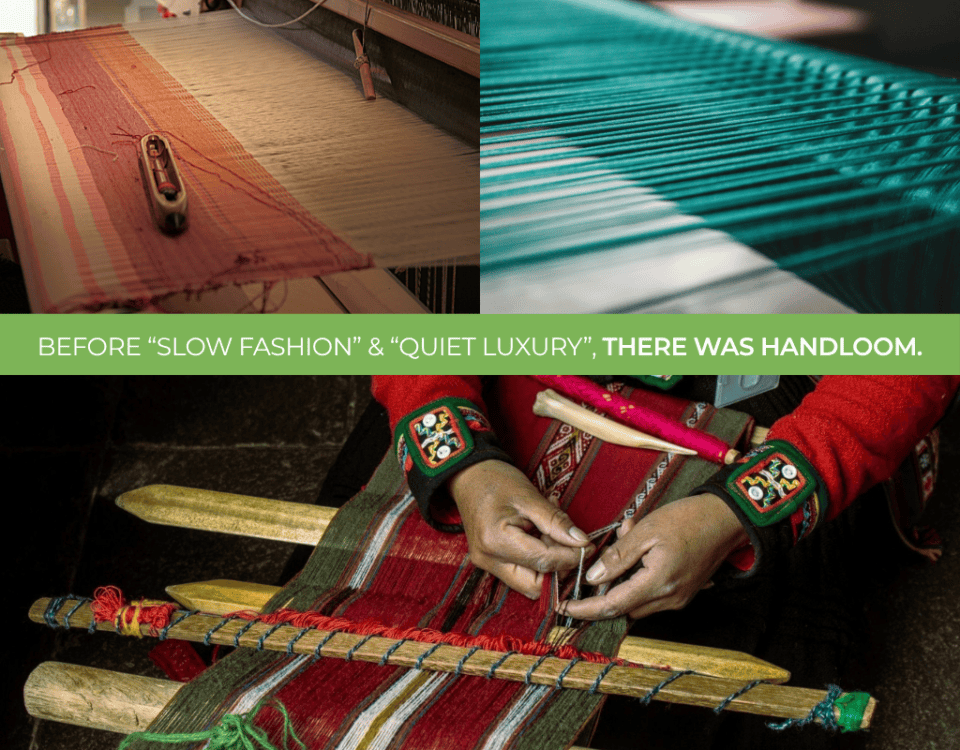
Handloom Isn’t A Trend. It’s India’s OG Slow Fashion Movement.
Fast fashion measures success in collections launched.
Handloom measures success in traditions preserved.
That philosophy is exactly what defines slow fashion today:
- producing thoughtfully instead of endlessly
- valuing craftsmanship over convenience
- creating clothing with a lifespan measured in years rather than seasons.
The industry may have given it a new name, but the blueprint has always been woven into India’s cultural fabric.
Why Handloom Still Sets The Gold Standard For Sustainable Fashion
Handloom isn’t sustainable because someone decided to market it that way. It is sustainable because of how it has always been made.
Its environmental and social advantages continue to make it one of fashion’s strongest alternatives to mass production.
Here’s why:
- Human-powered production: Traditional handlooms operate without electricity, keeping energy consumption remarkably low compared to industrial textile manufacturing.
- Natural fibres first: Cotton, silk, linen and wool dominate handloom traditions, creating garments that breathe better, last longer and biodegrade naturally.
- Small-batch by design: Production is according to artisan capacity rather than seasonal demand forecasts, so no overproduction and no excess inventory.
- Local livelihoods: India’s handloom sector supports over 35.2 lakh handloom weavers and allied workers across 31.45 lakh households, making it one of the country’s largest sources of self-employment and rural livelihoods after agriculture.
- Craft over copies: Slight variations in weave aren’t imperfections. They’re signatures left behind by the people who made them.
The biggest environmental advantage of handloom crafts is the simple fact that a well-made garment is designed to live forever in your wardrobe instead of the landfill.
That changes everything.
The Real Luxury Labels Aren’t Always Luxury Labels
Fashion’s global fascination with Indian craftsmanship has created welcome visibility, but it has also created an illusion that handloom is only valuable after international recognition.
The truth couldn’t be further from it.
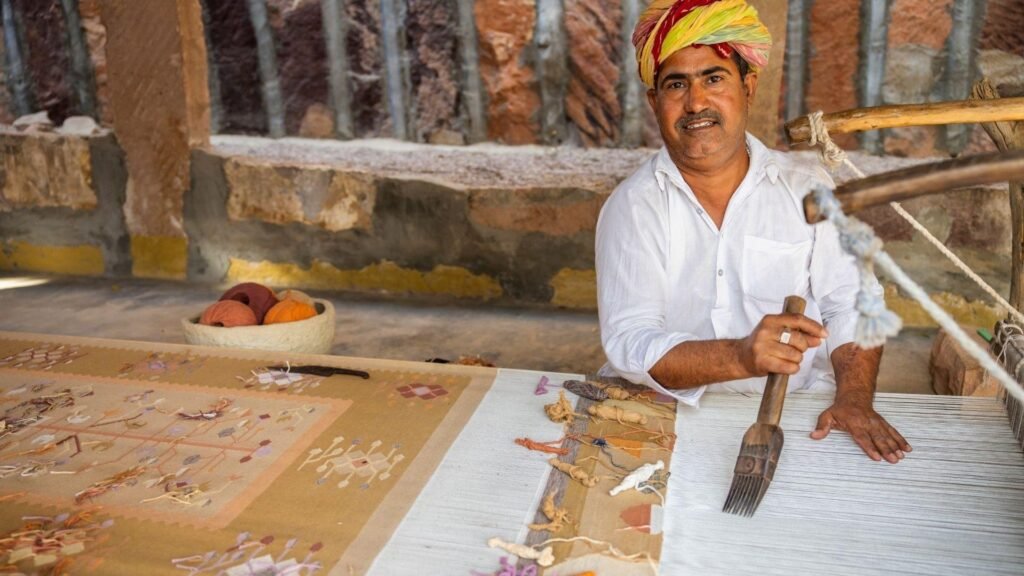
Across India, weaving communities have continued preserving techniques through economic uncertainty, changing consumer behaviour and competition from power looms. Many artisans are supported by cooperative societies, self-help groups and craft collectives that provide market access, strengthen livelihoods and encourage younger generations to carry these traditions forward.
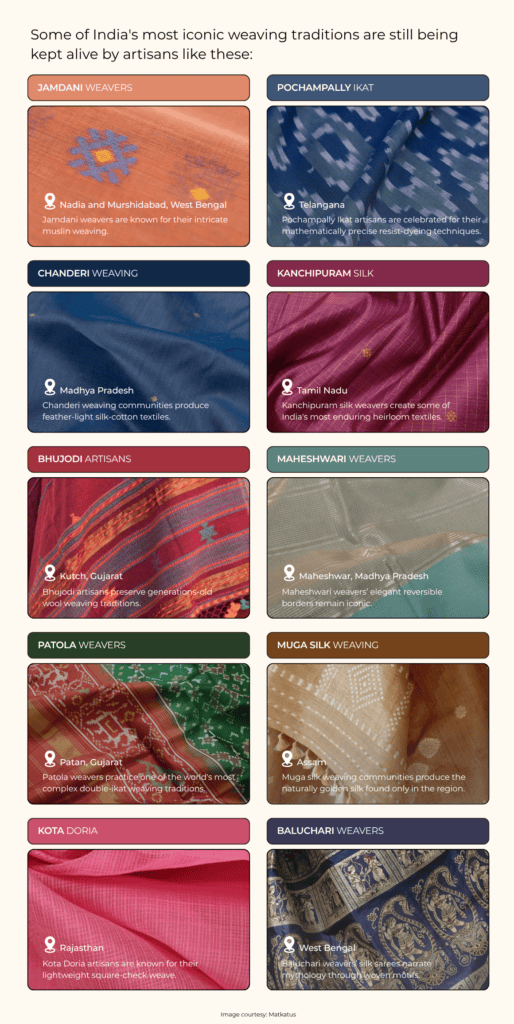
Behind every celebrated handloom is a community that refused to let its craft disappear. Some of India’s most iconic weaving traditions are still being kept alive by artisans like these—Jamdani weavers, Pochampally Ikat artisans, Chanderi weaving communities, Kanchipuram silk weavers, Bhujodi artisans, Maheshwari weavers, Patola weavers, Muga silk weaving communities, Kota Doria artisans, Baluchari weavers, and many more. Each represents far more than a textile. Each represents a living cultural archive.
And that’s precisely why National Handloom Day deserves attention. It celebrates fabrics, certainly, but more importantly, it celebrates the people whose livelihoods continue because these traditions remain relevant.
Keeping India’s Looms Alive Takes More Than Nostalgia
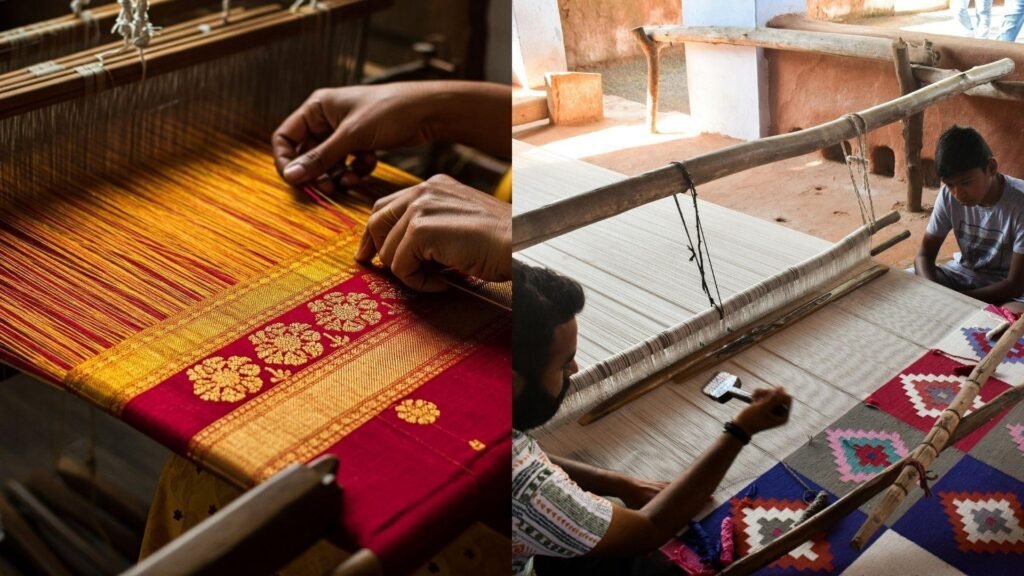
Handloom survives because thousands of artisans continue choosing craft over convenience. But ensuring these traditions thrive requires an entire ecosystem working behind the scenes.
The Government of India has strengthened the sector through initiatives led by the Development Commissioner for Handlooms, including the National Handloom Development Programme (NHDP), the India Handloom Brand certification, marketing support schemes, handloom expos and domestic trade fairs that improve artisan livelihoods, design innovation and market access.
Organisations such as the Handloom Foundation, the All India Artisans and Craftworkers Welfare Association (AIACA), the Save Handloom Foundation and Tisser Artisan Trust are equally instrumental in supporting weaving communities. From providing healthcare, education and skill development to connecting artisans with designers, businesses and conscious consumers, these organisations ensure India’s handloom traditions remain economically viable, culturally relevant and ready for the next generation.
Policies can create opportunities, but preserving handloom ultimately depends on an ecosystem where governments, organisations, brands and consumers all play their part.
Maybe the Future of Fashion Has Been in Our Wardrobe All Along.
Some of the best fashion ideas don’t need reinventing. They simply need remembering. Handloom was never created to be a trend or a statement. It was made to last, to be worn often and valued for years.
As consumers, perhaps it’s time we embraced it as everyday fashion, not just festive wear. And as brands, it’s time to move beyond borrowing the aesthetic and start investing in the artisan communities that keep these traditions alive. That’s how heritage becomes a future worth wearing.
Handloom is one of them.
Long before fashion learnt to speak about circularity, mindful consumption and conscious production, India’s weaving communities were already living those principles. They simply called it craftsmanship.
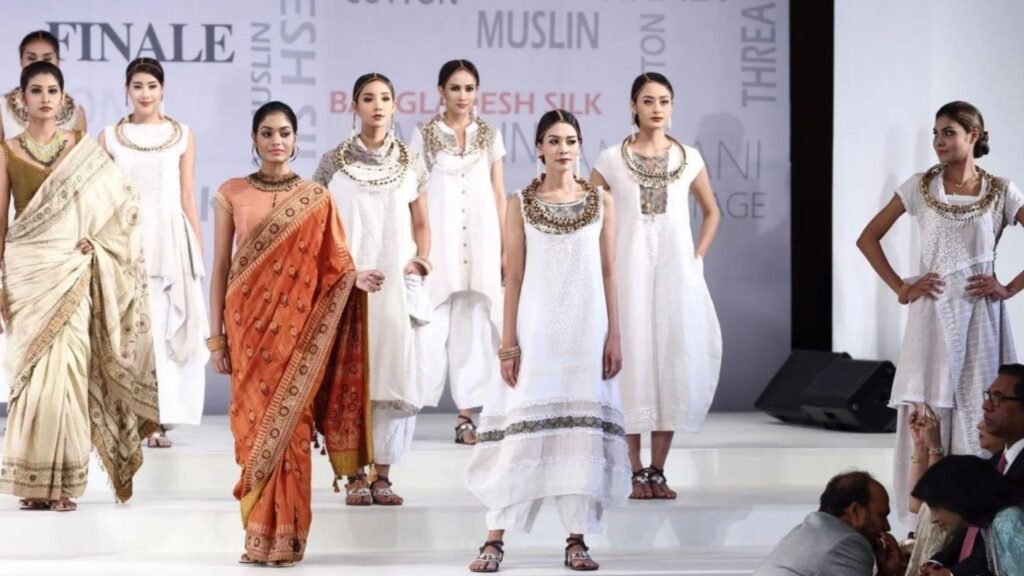
As consumers, perhaps it’s time we stopped seeing handloom as something reserved for festive wardrobes or cultural occasions. The original blueprint for slow fashion has always existed in our own backyards. Choosing handloom today isn’t about looking backwards. It’s about recognising that our roots have always been kinder to the planet.
The same expectation also extends to fashion brands and designers.
Using handloom because it photographs well on Instagram or fits the luxury narrative isn’t enough anymore. The real measure of conscious fashion lies in whether brands create long-term livelihoods, invest in artisan clusters, preserve traditional techniques and ensure the communities behind these crafts grow alongside their businesses.
National Handloom Day isn’t simply a celebration of beautiful textiles.
It’s a reminder that every handwoven garment carries an entire ecosystem with it.
Buy with intention. Wear with pride. And champion the brands that don’t just borrow India’s heritage, but help keep it alive.