A Hidden Green Surprise: Walking Koparkhairane’s Cool and Beautiful Mangroves
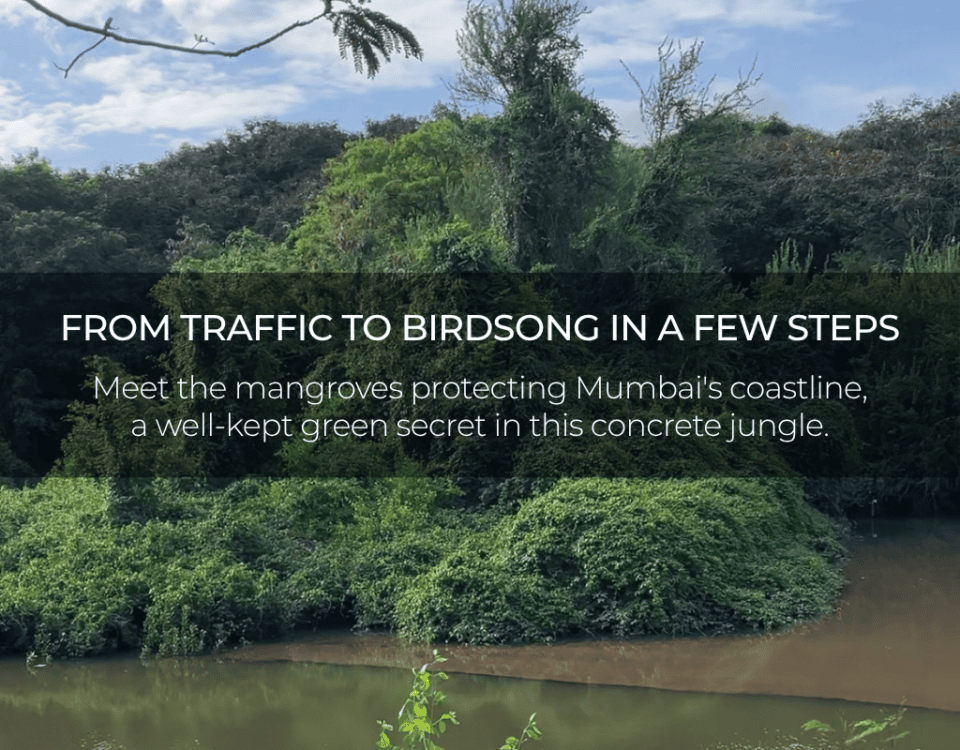
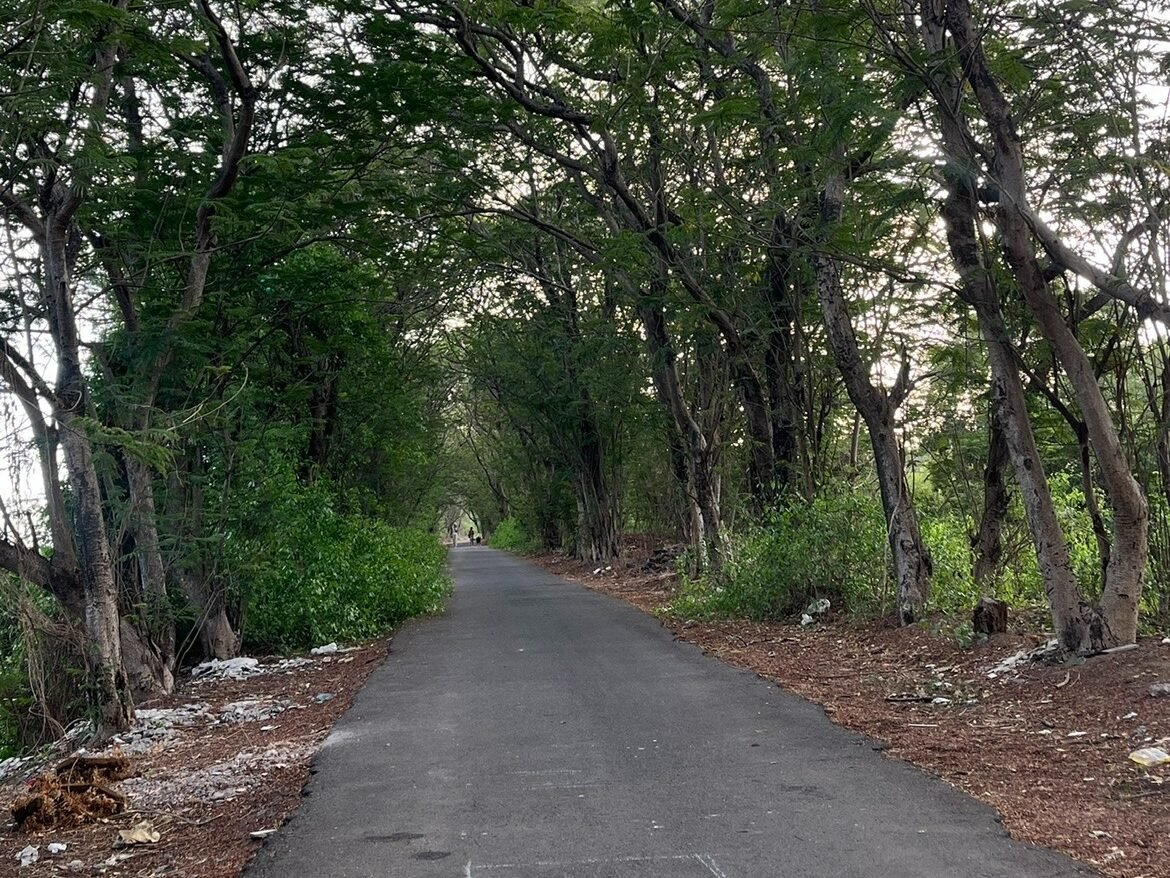
The sun was very hot. We were sweating just standing there. Then we turned off Koparkhairane Road, and everything changed. Suddenly it was cool. Shady. Quiet, except for birds singing. We had walked into the aromatic mangroves, a small forest tucked right along the road. Not a garden. Not a park. A real forest, standing in mud, with roots hanging in the air.
The Journey In: Uncovering the Mangrove Canopy
At first, the path looked simple, just a few trees and some shade. But as we walked, the trees grew thicker. Step by step, the forest closed in around us, and soon we could barely see the sky above. The walk was about 2 kilometres long, which is not a long distance, but you should not rush it. There was something interesting to see almost every few steps.
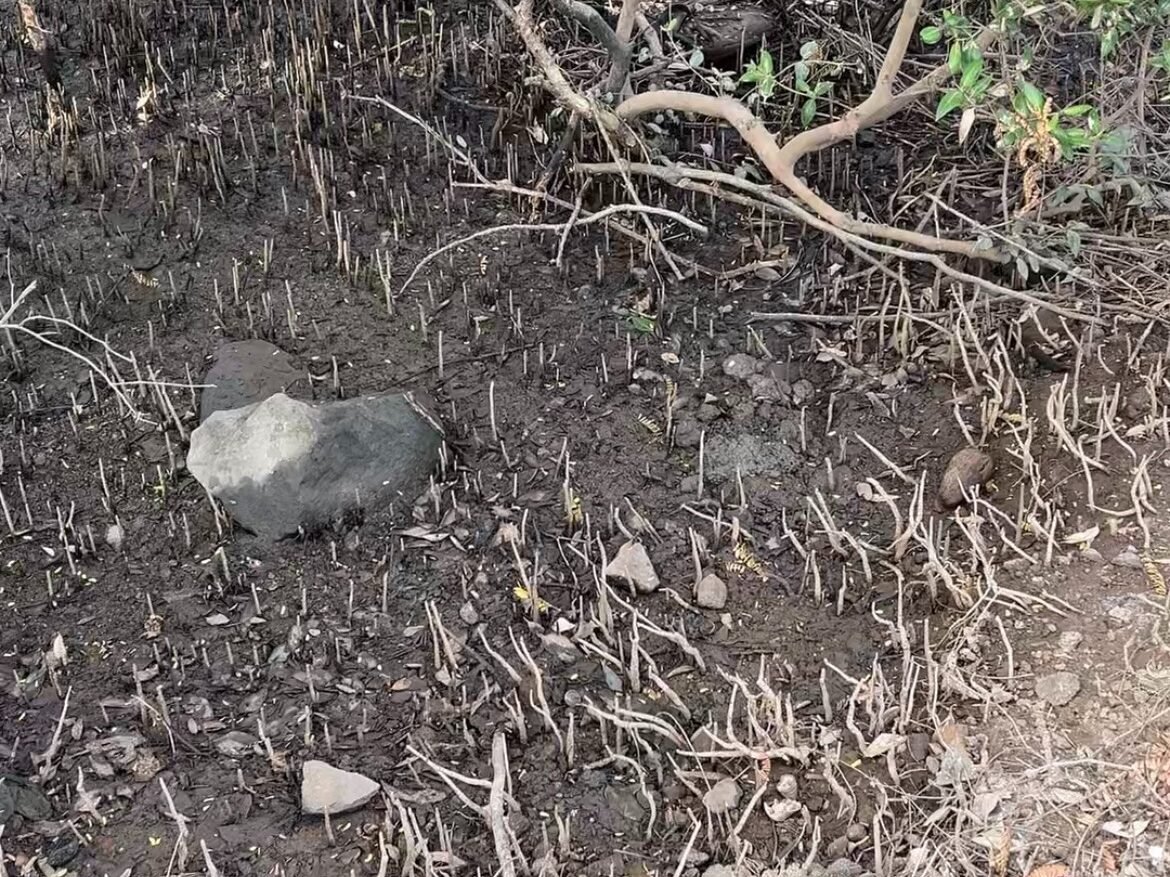
The first thing we noticed was the roots. Long, thin roots hung down from the branches, plunging straight out from the mud, almost as if trees were reaching out of the ground with their limbs. These are called aerial roots, which mangrove trees use to survive in wet, salty soil. Once you spot one, you start seeing them everywhere.
There was no traffic noise here, no horns, only birds calling from every direction. Koparkhairane sits close to Thane Creek, the same stretch of water that is famous for the flamingos that fly in every year from Kutch. That is likely why there are so many birds here. You do not have to be a birdwatcher to enjoy it, the sound alone makes the walk feel special. We also spotted a few mango trees growing among the mangroves, a charming little surprise in the middle of all that green.
The Ecosystem & The Trail
This mangrove forest is not just a random patch of trees, it is part of a much bigger and more important natural ecosystem. The mangroves along Thane Creek cover almost 1,700 hectares of land, and the government has designated this area as a protected wildlife sanctuary, mainly because flamingos and other migratory birds nest and feed here every year. Navi Mumbai has also been mapping out nature trails like this one across the city, including Koparkhairane, Vashi, Airoli, and other nodes, to help people explore these mangrove and wetland patches while learning how essential they are. Beyond protecting our coastlines, these mangroves act as natural flood barriers, trap heavy carbon, and filter urban runoff to keep the marine food chain alive.
If you plan to go, try to avoid the middle of the day, since the sun is far too strong at noon while the light looks much nicer early in the morning or late in the afternoon. Give yourself a bit more time than you think you need, as you will want to stop often to look at the roots, trees, and birds. Be sure to carry mosquito repellent, since the wet, muddy ground attracts plenty of them, especially toward evening, and wear sturdy shoes as some parts of the path can be muddy or uneven. Finally, remember to carry your own trash back out, since litter can build up quickly in these protected patches.
Go Find Out for Yourself
You do not expect to find a real forest tucked along a busy road, but that is exactly what makes this walk special. From hot sun outside to cool air inside, roots that look alive, birds that never stop singing, and even a surprise mango tree along the way. It may be only 2 kilometres, but it feels like a different world.
So here is a small ask: come and see this trail for yourself, rather than just reading about it. Walk it slowly, carry your trash back out, and leave it as green as you found it. Talk about it, share its story, tag its location, so more people know a mangrove like this exists so close to home. And if you ever hear about mangroves being marked for cutting nearby, do not wait for the news to break; ask questions early and add your voice while it can still matter.
What is your favourite hidden nature walk in the city, and how do you help protect the green spaces near you? Share it in the comments below.
About the author

Kiara Rodrigues is a Mass Media student who has been drawn to storytelling since the 10th grade. She began working professionally six months ago, and that experience has only strengthened her love for the field. Through her work, she aims to explore stories that create impact and use media as a tool to inform, engage, and inspire. She is determined and focused on learning new lessons in sustainability daily with immense enthusiasm. Her visit to Aarey Forest helped her realise how a small impact can make a big difference in climate action and building a sustainable future.