The Planet Wanted Climate Action, But Got A Lawsuit Instead
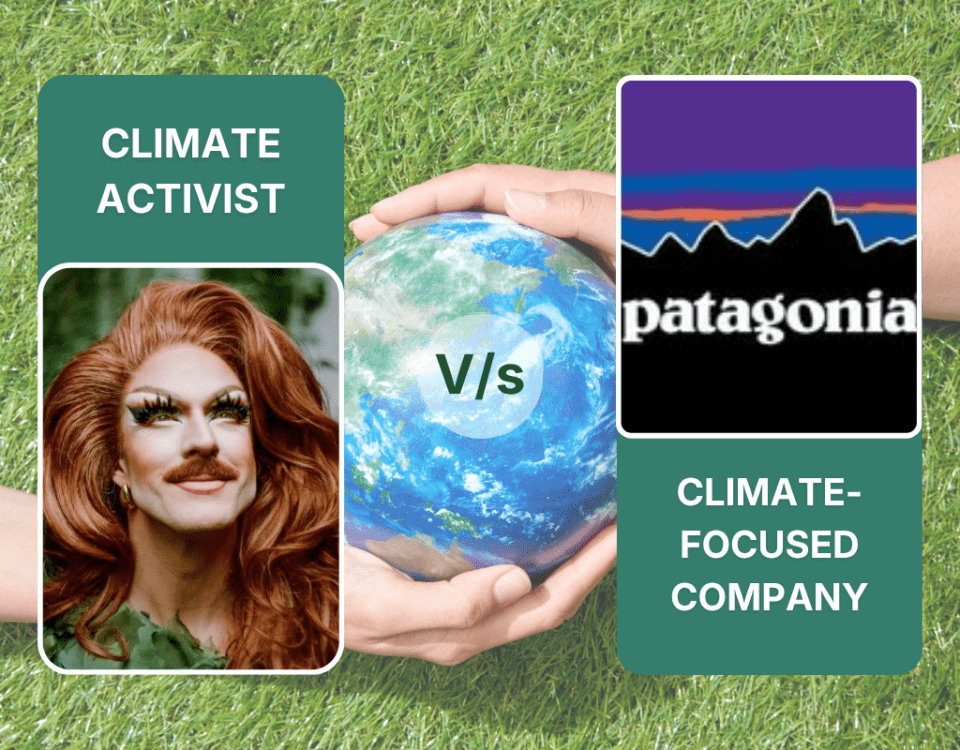
Of all the climate conversations happening right now, this may be the weirdest. Patagonia — long seen as sustainability’s “good” brand in a world full of greenwashing — is now involved in a trademark lawsuit connected to climate activist Pattie Gonia. And the internet quickly turned this situation into a larger conversation about sustainability, branding, and activism. The backlash wasn’t because people stopped caring about trademarks. It was because many expected sustainability’s loudest voices to be on the same side. Here’s the trademark drama currently dividing the sustainability world.
When Sustainability Starts Arguing With Sustainability
The latest dispute making rounds on the internet involves environmental activist and drag performer Pattie Gonia (real name Wyn Wiley), whose work has helped raise millions of dollars for environmental causes while bringing climate conversations to audiences that traditional activism often struggles to reach.
Patagonia argues that Pattie Gonia’s trademark applications could create confusion with its brand and, therefore, require legal action.
Pattie Gonia, meanwhile, argues that a company claiming to be “in business to save our home planet” is now using its resources to fight someone working toward the same goal.
Pattie Gonia Speaks Out on the Legal Battle
The Instagram celebrity shared several videos, carousels, and an open letter to Patagonia on their social media account, explaining the dispute, emphasizing that the company had known about Pattie Gonia for eight years (when they asked Pattie to follow certain terms when Pattie collaborated with a third-party in 2022), making the lawsuit particularly surprising.
The posts also claimed that the matter could have been resolved through amicable discussions—especially after Pattie’s attempts to reach out—rather than through an expensive legal battle. Pattie also characterized the lawsuit as an effort to erase their identity as a climate activist and undermine the environmental movement and community they have helped cultivate.
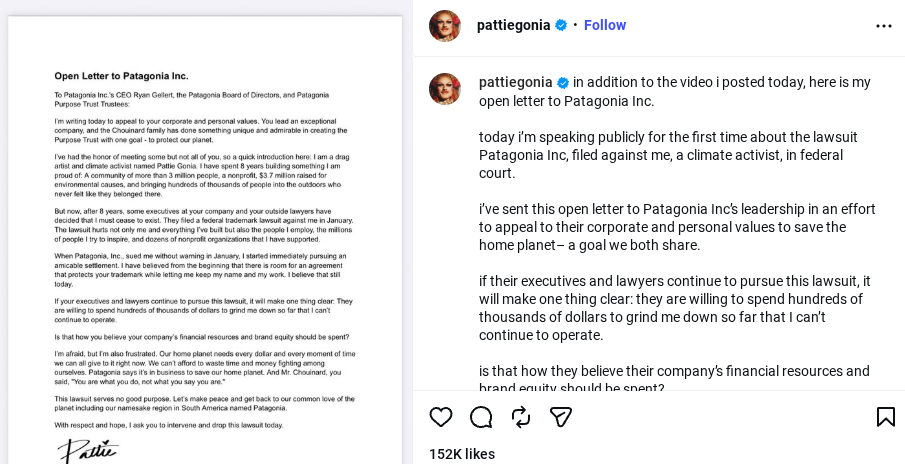
Source: Pattie Gonia Instagram Account
The federal trademark lawsuit, filed in January 2026, reportedly exposes Pattie Gonia to legal costs that could exceed $1 million. Since then, they have been publicly fighting the case, describing the experience as both frustrating and emotionally taxing. In one post, they pointed to their track record of touring drag shows across the U.S. to promote climate solutions and raising $3.7 million for climate-focused nonprofits, arguing that resources devoted to the lawsuit could be better spent advancing environmental causes.
Rather than directing anger toward individuals, Pattie is asking supporters to peacefully advocate for Patagonia to drop the lawsuit and to avoid targeting the company’s employees.
Patagonia Defends Its Decision to Sue
From Patagonia’s perspective, the lawsuit is about protecting a brand that has existed for decades. The company says it tried to resolve the issue privately over several years but eventually concluded that legal action was necessary.
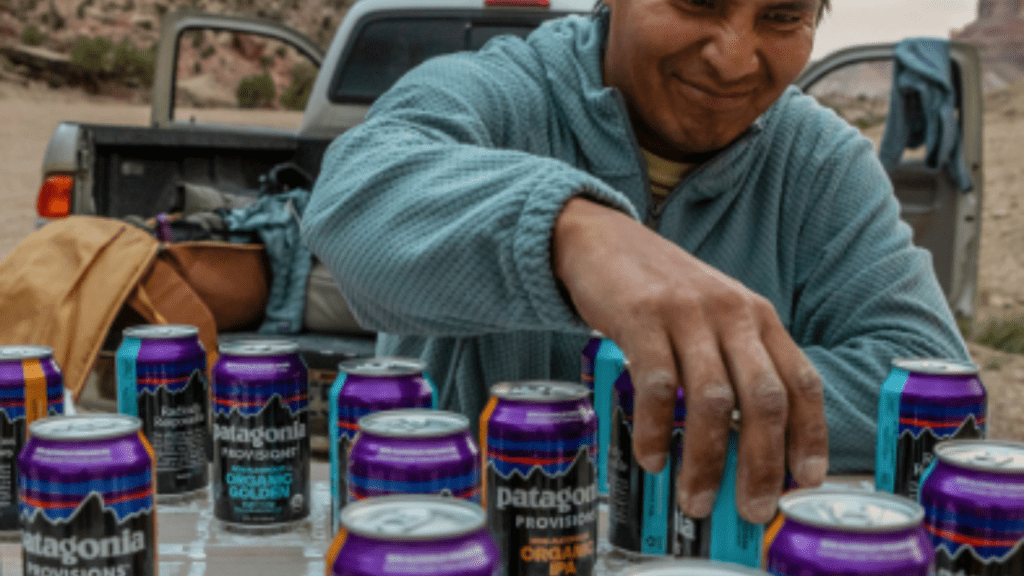
Source: Patagonia Instagram Account
Patagonia also maintains that the case has nothing to do with Pattie Gonia’s drag performances or climate activism. Instead, it says the dispute centers on trademark rights and potential brand confusion. For Patagonia, the lawsuit is about protecting its name, not silencing advocacy efforts.
The Sustainability Contradiction Nobody Likes Talking About
The uncomfortable truth is that sustainability and business priorities don’t always move in perfect harmony.
They do when sustainability creates value.
They do when sustainability strengthens reputation.
They do when sustainability drives growth.
Things get considerably more complicated when sustainability begins colliding with legal, financial, or commercial interests.
And that’s hardly unique to Patagonia.
Over the years, we’ve watched fashion brands launch “sustainable collections” while maintaining production models built on overconsumption. We’ve seen companies celebrate Earth Day campaigns while lobbying against environmental regulations that could affect profitability.
Corporate sustainability can sometimes feel a lot like a gym membership in January. Everybody loves the idea of it. The branding looks great, the intentions sound inspiring, and the promises come easily. But commitment tends to get tested the moment sacrifice, inconvenience, or real accountability enters the conversation.
The Real Currency Of Sustainability Is Trust
Most people have never read a trademark filing.
But they do understand the contradiction.
For many, the headline feels surprisingly simple: one of the world’s most recognised sustainability brands is now locked in a legal battle with someone whose work also revolves around environmental advocacy.
Whether that interpretation is legally fair isn’t really the point.
The challenge is that courts operate on legal arguments, while sustainability movements operate on credibility. Public trust is often shaped less by technical details and more by perceived alignment between values and actions.
And once people start questioning that alignment, trust becomes much harder to rebuild than any certification, pledge, or sustainability report.
So Who’s Right?
That’s probably a question for lawyers.
The more interesting question is what this entire episode reveals about the sustainability movement itself.

As sustainability becomes more mainstream, more stakeholders want a place within it. Brands want ownership of the narrative. Activists want influence. Organisations seek credibility. Consumers demand authenticity.
While most of the time, those interests align. Sometimes they collide.
And that’s what makes the Patagonia-Pattie Gonia story so fascinating. Not because it’s a trademark dispute, but because it exposes a tension that has existed within sustainability for years.
What happens when protecting a brand and protecting a purpose start pulling in different directions? What do you think? Is this simply business as usual, or does it reveal a deeper problem within corporate sustainability?
Leave your thoughts below and share this with someone who’d have strong opinions on it. Don’t forget to follow Green Pistachio for more conversations around sustainability and cracking open the truth behind eco-trends.