Nuclear Weapons: Humanity’s Strange Way To Pretend We Are “Safe”
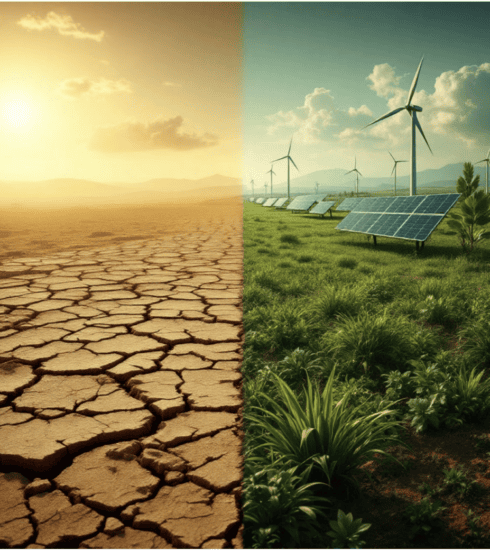
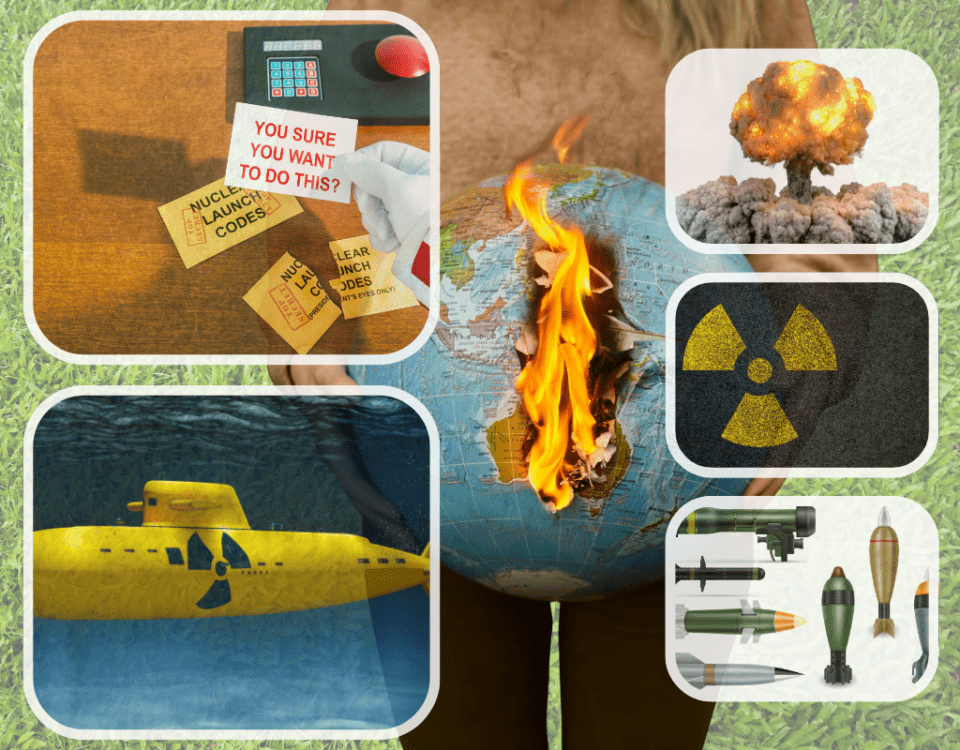
Human beings are fascinating creatures. We invented vaccines, renewable energy, electric cars, reusable packaging, climate summits, and entire sustainability frameworks to save the planet. And simultaneously, we also built weapons capable of erasing civilization in under an hour.
The timing of this contradiction could not be more relevant.
Recent discussions around the Nuclear Non-Proliferation Treaty (NPT) highlighted a growing concern among global leaders: many of the nuclear disarmament gains achieved after the Cold War are steadily eroding. Instead of moving further away from the threat of nuclear escalation, the world appears to be entering a new era of military modernization and strategic competition.
Which raises an uncomfortable question:
If humanity already knows the risks, why are we still investing so heavily in the very systems that could destroy us?
Because apparently humanity’s long-term strategy is:
“Let’s achieve Net Zero… while pointing apocalypse devices at each other.”
Brilliant.
Truly elite species behavior.
The world today honestly feels like a badly written superhero universe where every country wants to be the main character.
America has nuclear weapons.
Russia has nuclear weapons.
China has nuclear weapons.
India has nuclear weapons.
Pakistan has nuclear weapons.
And every single one of them keeps repeating the same line:
“These are only for our protection.”
Which sounds comforting and maybe even reasonable- but only until you realize EVERYBODY is saying it.
It’s basically the geopolitical version of five people standing inside a wooden house holding flamethrowers while insisting they’re “maintaining peace.”
The Global House Of Cards We Keep Calling Stability
The logic behind nuclear deterrence is strangely simple:
“If everyone has catastrophic weapons, nobody will use them.”
Which technically works.
In the same way balancing a house of cards technically works… until one piece shifts.
One misunderstanding.
One ego clash.
One technical failure.
One impulsive political decision.
That’s all it takes.
And yet humanity has somehow normalized this arrangement so deeply that we now call it “global security.”
The problem is that deterrence only works when every player behaves rationally, every system functions perfectly, and every leader makes measured decisions under pressure.
History suggests that’s a very ambitious assumption.
Because stability built on the threat of mutual destruction isn’t really stability.
It’s simply risk management at planetary scale.
Meanwhile, The Actual Planet Is Screaming For Help
This is where the irony becomes painful.
Because while nations spend trillions preparing for hypothetical wars, the REAL crises threatening humanity are already happening in real time.
We currently have:
- 2024 officially became the warmest year ever recorded, reaching approximately 1.55°C above pre-industrial levels and becoming the first calendar year to breach the 1.5°C threshold.
- An estimated one million plant and animal species are currently threatened with extinction, making biodiversity loss one of the largest environmental crises humanity has ever faced.
- Climate-related disasters trigger an average of 24 million displacements every year globally, with floods alone causing nearly 9.8 million displacements in 2023.
- Air pollution contributes to approximately 7 million premature deaths every year worldwide, while 99% of the global population breathes air that exceeds WHO air-quality guidelines.
- Global ocean heat content reached its highest level on record in 2024, marking the eighth consecutive year of record-breaking ocean warming.
But somehow global priorities still sound like:
“Yes, the planet is overheating… but have we upgraded the missiles?”
At this point, Earth itself must be exhausted.
Imagine being a planet that spent 4.5 billion years evolving intelligent life only to watch humans create sustainability conferences during the day and weapons stockpiles at night.
Even the dinosaurs would have questions.
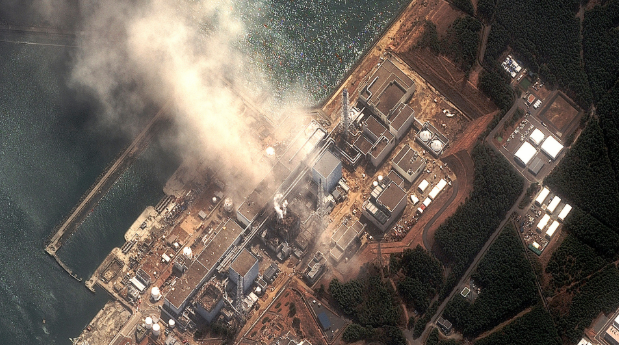
Nuclear Weapons Don’t Just Threaten War. They Damage The Planet Too.
And here’s the part people conveniently ignore:
The destruction begins long before any missile launches.
Decades of nuclear testing have already caused:
- More than 2,000 nuclear tests have been conducted globally since 1945, leaving radioactive contamination across multiple regions.
- 67 nuclear tests in the Marshall Islands displaced indigenous communities and polluted land and marine ecosystems, with impacts still being reported today.
- The Semipalatinsk Test Site in Kazakhstan witnessed 456 nuclear tests across four decades, leaving large areas affected by long-term radioactive contamination.
- Marshall Islands communities continue to report elevated cancer rates, miscarriages, and other radiation-linked health impacts generations after testing ended.
- Radioactive contamination remains present in former test locations, with ongoing monitoring of contaminated soil, water systems, and ecosystems decades later
Entire regions across the world continue carrying the consequences generations later.
Which means humanity somehow managed to damage the planet in the name of “protecting” it.
That’s like setting your own house on fire to prove your security system works.
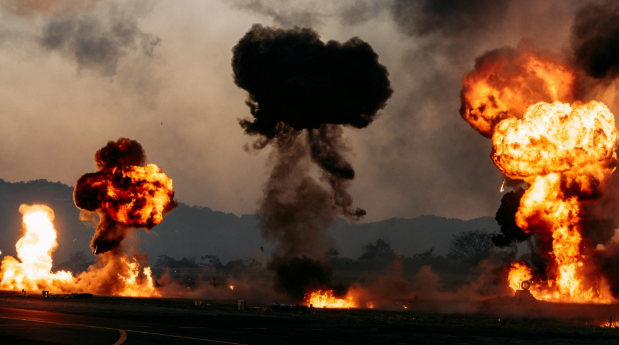
The Cost Of Preparing For Destruction
The saddest part is not just the weapons themselves.
It’s what humanity sacrifices while preparing for them.
Every year, unimaginable amounts of money go into:
- Military expansion
- Weapons modernization
- Strategic defense systems
- Nuclear preparedness
Meanwhile:
- Climate adaptation remains underfunded
- Energy transitions slow down
- Conservation efforts struggle
- Sustainability goals keep getting delayed
The world keeps investing in surviving wars instead of preventing collapse.
And honestly, that might be humanity’s most dangerous contradiction.
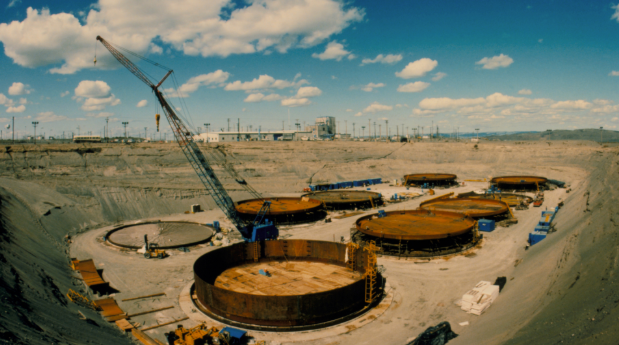
The Biggest Threat Was Never The Bomb
No country can missile-launch its way out of climate collapse.
No warhead can reverse rising temperatures.
And no nation can truly “win” on a dying planet.
Nuclear weapons may offer the illusion of power, but they also reveal something deeply uncomfortable:
intelligence without wisdom is still dangerous.
Maybe real global strength is not about who can destroy the world faster.
Maybe it’s about who finally decides to protect it properly.
Agree or disagree? Let us know in the comments—and share this to keep the conversation going.